How a Healthy Lawn Care Program Builds Stronger Turf Year After Year

• Consistent lawn care improves soil structure, strengthens roots, and creates dense turf that withstands environmental stress while maintaining steady growth and visual uniformity.
• Aeration, fertilization, seeding, and pest control work together over multiple seasons to improve moisture balance, nutrient use, and recovery after stress events.
• Lawnscape Specialists provides coordinated turf management programs that build stronger lawns each season through professional treatments designed for lasting turf health and stability.
A healthy lawn rarely happens through occasional attention or seasonal fixes. Strong turf develops through steady care that supports root depth, soil health, and plant resilience over time. When each phase of the growing cycle receives the right treatment, grass becomes better equipped to handle stress, resist pests, and maintain consistent density.
A structured lawn care program encourages steady improvement from one season to the next. Instead of reacting to visible problems, long-term care strengthens the underlying system that supports healthy turf. Soil conditions improve, grass varieties mature, and recovery becomes faster after stress events. Over several seasons, these improvements create a lawn that requires fewer corrective treatments and maintains a uniform appearance throughout the year.
Building Turf Strength Begins Beneath the Surface
Healthy turf begins with soil conditions that allow roots to expand and access nutrients efficiently. Many lawns struggle because of compacted soil layers that restrict oxygen flow and limit moisture absorption. When soil becomes dense, roots remain shallow and vulnerable to drought and heat stress.
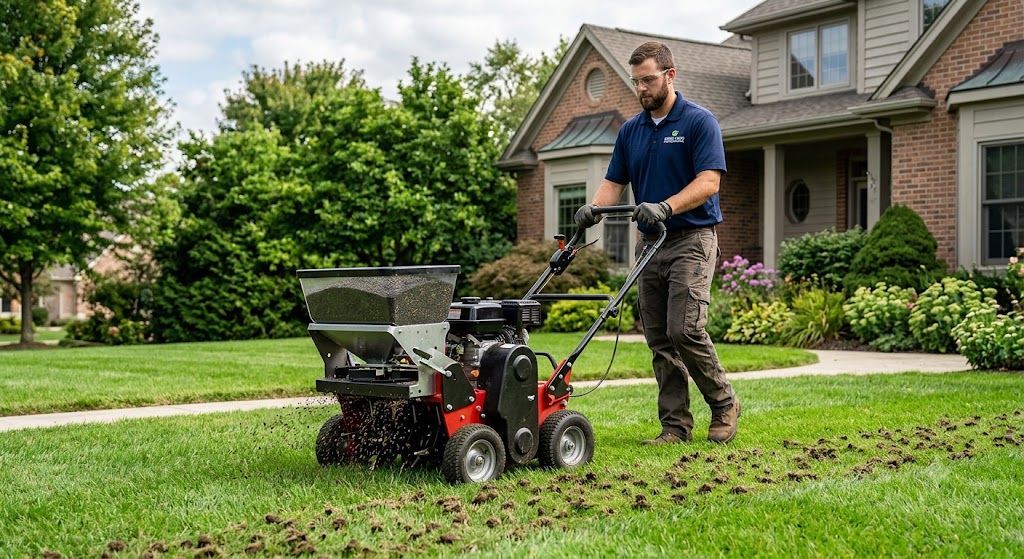
Aeration plays a central role in restoring soil structure. Core aeration removes plugs of soil, opening pathways for air and water to reach deeper layers. Liquid aeration supports this process by helping soil particles separate and improve permeability. Over time, these treatments encourage roots to grow deeper and establish stronger anchor points.
Deep root development creates long-term stability. Grass with extensive root systems can draw moisture from deeper soil levels during dry periods and recover faster after environmental stress. Each aeration cycle contributes incremental improvements that build year after year.
Soil health also improves as organic matter accumulates and microbial activity increases. Healthy soil ecosystems support nutrient cycling and improve fertilizer efficiency. When roots and soil organisms function together, turf becomes stronger without requiring excessive inputs.
Consistency remains essential. A single aeration treatment provides temporary improvement, while repeated seasonal aeration produces lasting structural change within the soil profile.
Nutrient Programs Create Lasting Turf Density
Fertilization strategies influence how turf develops across multiple seasons. Proper nutrient balance supports steady growth patterns that strengthen grass rather than encouraging short bursts of growth followed by decline.
Professional lawn fertilization programs supply nutrients in controlled amounts that match seasonal growth cycles. Spring applications encourage early development while supporting root expansion. Summer treatments focus on stress tolerance and color stability. Fall fertilization strengthens roots and prepares turf for winter dormancy.
Over time, balanced nutrition improves turf density. Dense turf crowds out weeds naturally and reduces open soil areas where invasive species can establish. Thick turf also protects soil from erosion and temperature fluctuations.
Excess fertilization can create weak growth patterns that lead to disease susceptibility and shallow roots. Carefully calibrated applications support steady development without forcing excessive growth.
Nutrient programs also adjust based on turf performance. Areas with poor growth may require targeted treatment, while established sections may benefit from maintenance levels of fertilization. This level of precision produces consistent improvement across the entire property.
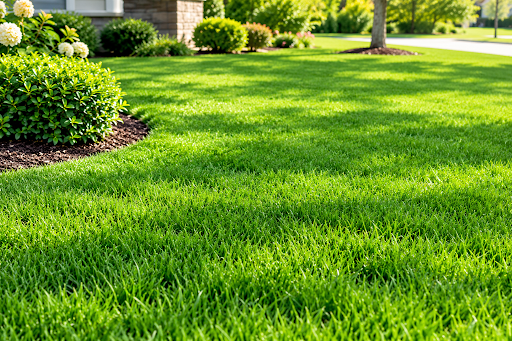
As turf matures under a structured fertilization plan, grass blades become thicker, color becomes more uniform, and seasonal recovery improves.
Weed Control Supports Long-Term Turf Health
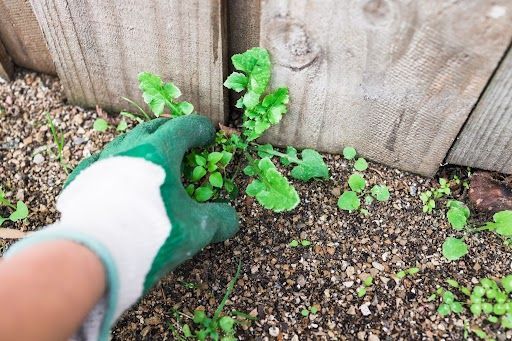
Weeds compete directly with turfgrass for water, nutrients, and sunlight. When weed populations establish themselves, turf density declines and soil conditions become less stable.
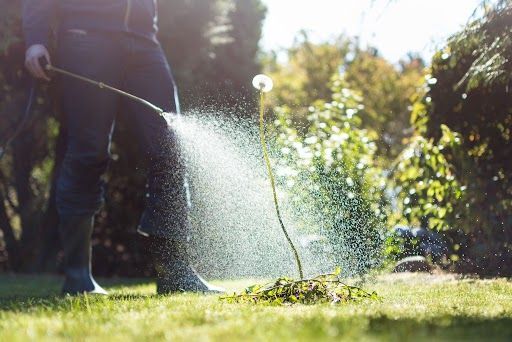
Residential weed control programs prevent invasive plants from gaining a foothold. Pre-emergent treatments interrupt germination cycles, reducing weed pressure before plants become visible. Post-emergent treatments address active growth while limiting disruption to the surrounding turf.
A long-term weed control approach reduces reliance on repeated corrective treatments. As turf density improves, fewer weeds are able to establish themselves. This creates a positive cycle where stronger turf supports better weed suppression. Weed prevention contributes to soil stability as well. Bare soil areas often develop where weeds outcompete grass. Preventing these openings protects soil structure and reduces erosion risks.
Effective weed management also improves nutrient efficiency. Fertilizer applied to weed-infested lawns often feeds unwanted plants rather than supporting turf development. Controlled weed populations ensure nutrients remain available for grass growth.
Aeration Improves Water Management Over Time
Water management plays a major role in turf health. Lawns with compacted soil often experience runoff during heavy rainfall and uneven moisture distribution during irrigation.
Aeration improves water infiltration and retention. Open soil channels allow moisture to penetrate deeper rather than collecting near the surface. This reduces the risk of shallow root growth and improves drought tolerance. Repeated aeration cycles create a gradual improvement in moisture distribution. Over several seasons, soil structure becomes more stable, and water movement becomes more predictable.
Better water management reduces stress during temperature extremes. Turf that receives consistent moisture maintains growth patterns without severe fluctuations. Liquid aeration treatments complement mechanical aeration by helping soil particles remain separated. This combination supports lasting improvement in permeability and moisture distribution. Lawns with balanced moisture levels experience fewer disease outbreaks and maintain steadier growth patterns throughout the growing season.

Seeding Strategies Strengthen Turf Each Season
Seeding programs play an essential role in maintaining turf density and resilience. Grass plants have natural life cycles, and older turf gradually loses vigor without periodic renewal.
Overseeding introduces new plants that strengthen turf populations and improve genetic diversity. New seedlings fill thin areas and reinforce sections that experienced stress during the previous growing season.
Fescue seeding supports lawns that require improved heat tolerance and shade adaptability. Fescue varieties develop deep root systems that enhance drought resistance and long-term durability.
Fall overseeding produces especially strong results because soil temperatures remain warm while air temperatures cool. These conditions support rapid germination and steady root development. Bare spot lawn repair restores areas damaged by foot traffic, pests, or environmental stress. Addressing these areas quickly prevents weed invasion and supports uniform turf density.
Lawn renovation and seeding provide solutions for lawns with widespread thinning or soil challenges. Renovation resets turf conditions and creates opportunities for improved grass varieties to establish themselves. Repeated seeding cycles strengthen turf populations and improve visual consistency across the lawn.
Disease and Pest Management Protects Turf Investment
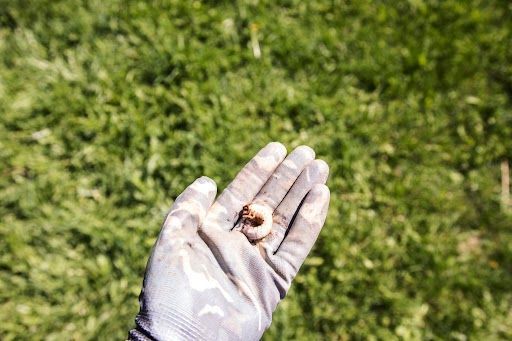
Healthy turf still faces threats from insects and disease. Without proper monitoring and treatment, localized damage can spread quickly and weaken large sections of the lawn. Grub control protects root systems from feeding damage that causes turf to loosen and decline. Early treatment prevents long term structural damage within the soil. Army worm treatment protects turf during sudden outbreaks that can strip grass blades within days. Rapid response preserves turf density and prevents large-scale reseeding.
Lawn fungus treatment addresses conditions that develop during periods of humidity and heat. Brown patch disease treatment helps prevent thinning and discoloration that weaken turf structure. Lawn pest maintenance programs monitor activity levels and apply treatments when necessary. Preventive care reduces the likelihood of severe infestations that require extensive recovery efforts.
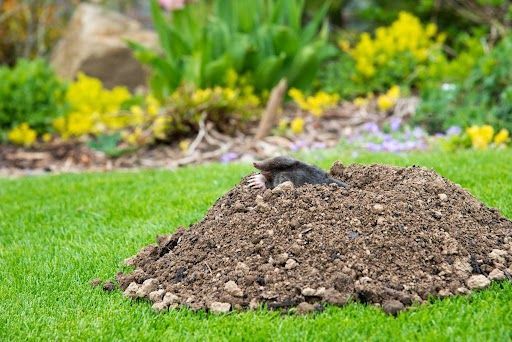
Mole and vole control services protect root zones from tunneling damage. These animals disturb soil structure and create pathways for weed invasion if left unmanaged. Disease and pest management programs preserve the progress achieved through fertilization and aeration. Without protection, several seasons of improvement can be lost quickly.
Seasonal Care Creates Long-Term Stability
Lawn health improves when care aligns with seasonal growth patterns. Each season presents unique challenges that require targeted attention. Spring treatments encourage recovery from winter dormancy and support early root development. Nutrient applications during this period set the stage for summer growth. Summer maintenance focuses on stress reduction and moisture balance. Turf that enters summer with strong roots maintains better color and density through periods of heat.
Fall treatments support root expansion and turf renewal. Aeration and seeding during the fall encourage strong establishment before winter dormancy. Seasonal wand maintenance treatments help maintain consistent coverage and address localized issues that develop between major service visits. Year after year, seasonal programs create steady improvement. Turf becomes more stable, soil becomes healthier, and maintenance becomes more predictable.
Bare Spot Repair Prevents Long-Term Decline
Small areas of turf damage often develop into larger problems if left untreated. Bare spots expose soil to erosion and create opportunities for weed establishment. Repairing damaged areas restores turf continuity and supports even growth across the lawn. Proper soil preparation and seeding techniques ensure new grass integrates with the surrounding turf.
Early repair reduces the resources required for restoration. Small areas can be corrected quickly, while neglected damage often requires extensive renovation. Bare spot repair also protects soil health. Exposed soil loses moisture quickly and becomes compacted without root systems to maintain structure. Consistent monitoring allows lawn care programs to address damage before it spreads.
Professional Turf Management Provides Lasting Value
Professional turf management brings together soil science, plant health knowledge, and seasonal timing. Coordinated care ensures treatments support one another rather than working at cross purposes. Accurate application rates protect turf health while maximizing treatment effectiveness. Professional equipment distributes nutrients and treatments evenly across the lawn. Monitoring turf conditions allows adjustments based on performance. Areas that respond slowly receive targeted attention, while strong areas continue under maintenance programs.
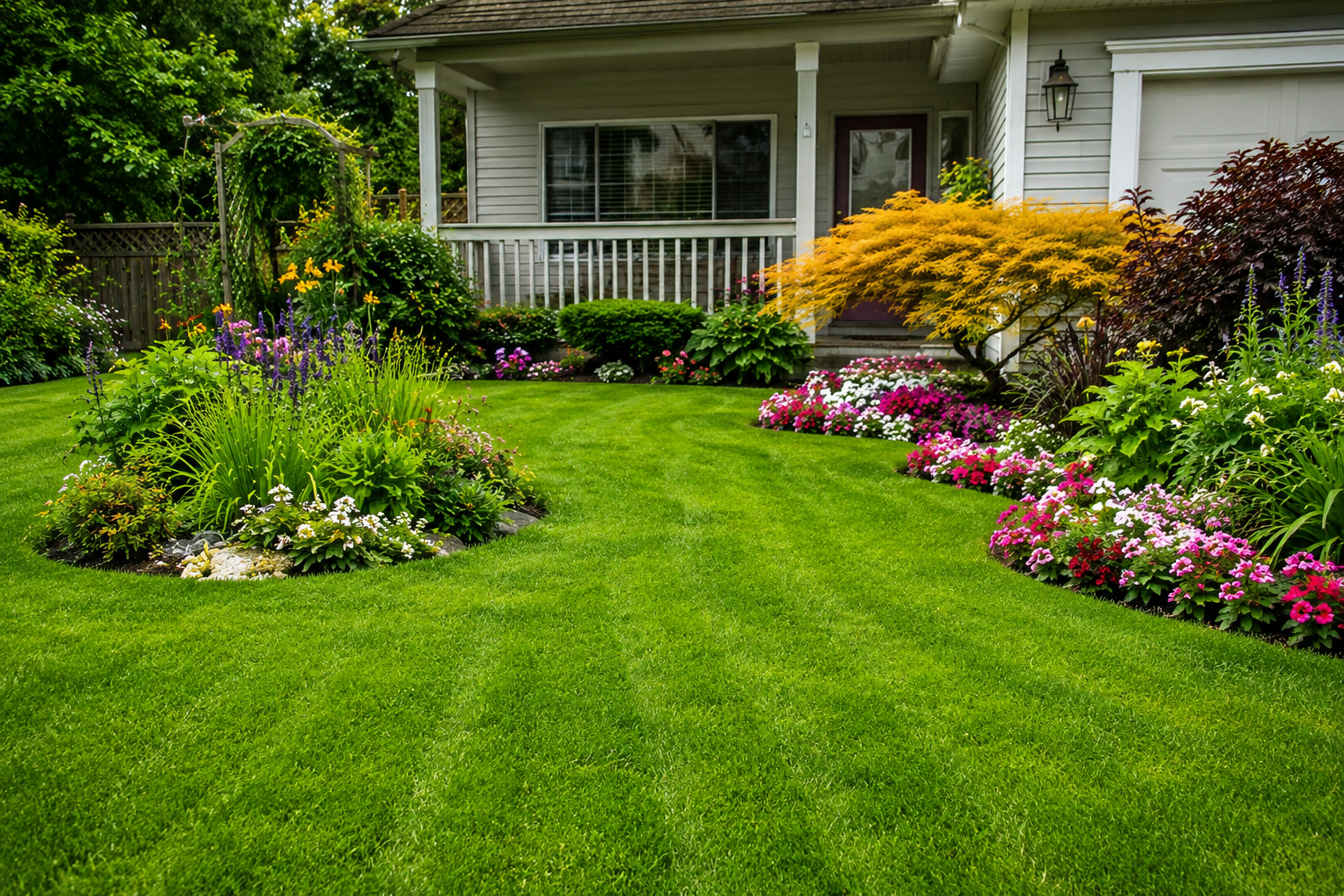
Professional lawn care programs also identify developing problems early. Addressing minor issues prevents costly repairs later. Well-managed turf becomes a stable and reliable feature of the property. Dense grass improves curb appeal, supports outdoor activity, and enhances soil stability. A healthy lawn reflects consistent attention and informed decision-making. With the right program in place, turf strength improves each season and continues building year after year.
At
Lawnscape Specialists, we build stronger lawns through carefully planned care that supports lasting turf health. From fertilization and aeration to seeding and pest management, our programs help your lawn grow thicker, healthier, and more resilient season after season.
Contact us for an estimate today.