How Combining Aeration and Overseeding Creates a Stronger Lawn Than Either Service Alone
A healthy lawn needs more than regular mowing and watering. Combining lawn aeration and overseeding gives grass the best chance to grow thicker, stronger, and more resistant to weeds, drought, and heavy foot traffic. For homeowners and businesses in Kansas City, pairing these two services produces better long-term results than scheduling either one on its own.
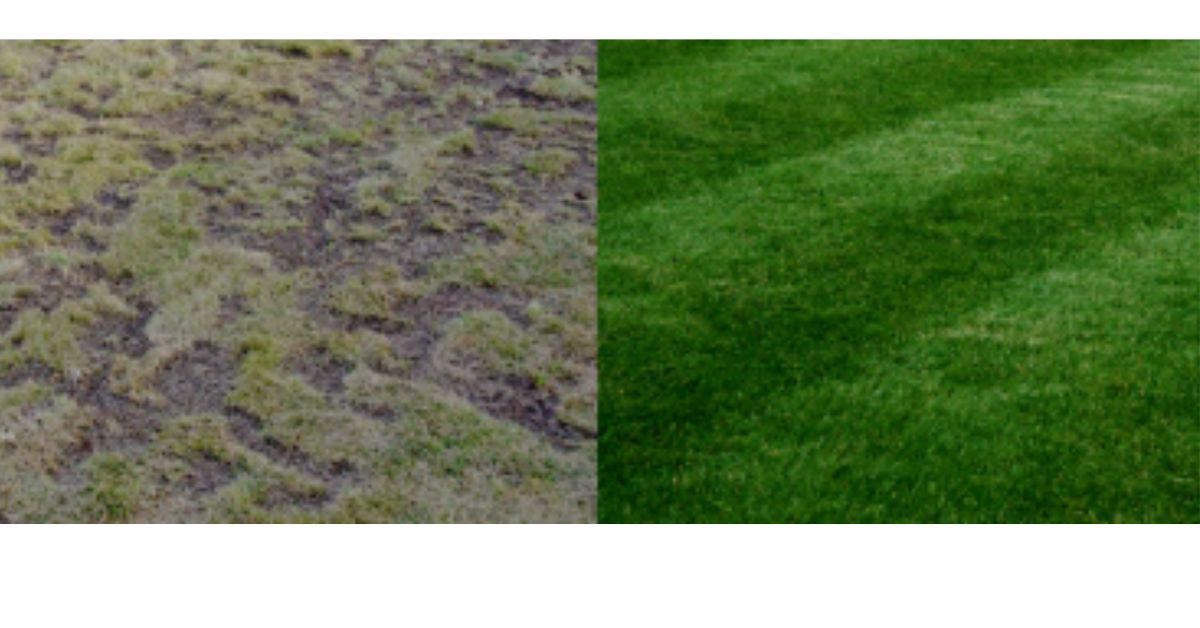
Compacted soil, thinning grass, and bare patches are common lawn problems across the region. While aeration improves the soil beneath your lawn, overseeding restores the grass growing above it. Together, they solve both problems at the same time, helping your lawn recover faster and stay healthier through changing seasons.
Why Do Aeration and Overseeding Work Better Together?
Aeration and overseeding support different parts of your lawn, which is why they are most effective when performed together. Aeration improves soil conditions, while overseeding introduces new grass plants that take advantage of those improved conditions. The result is stronger root development and more even turf coverage.
Many homeowners only notice the visible issues, such as thin grass or bare spots. What often goes unnoticed is the compacted soil beneath the surface. Even high-quality grass seed struggles when roots cannot access enough water, oxygen, and nutrients. Aeration addresses that hidden issue before overseeding begins.
This combination is especially helpful in Kansas City, where hot summers, clay-heavy soils, and changing weather patterns can stress lawns throughout the year.
What Does Lawn Aeration Actually Do?
Core aeration removes small plugs of soil from your lawn, creating openings that allow air, water, and nutrients to move deeper into the root zone. This process relieves soil compaction without damaging healthy grass.
Compacted soil develops naturally over time from foot traffic, mowing equipment, rainfall, and even normal settling. When soil becomes dense, grassroots remain shallow because they cannot easily grow downward.
Aeration helps improve several conditions at once:
- Reduces soil compaction
- Increases water absorption
- Allows fertilizer to reach root systems
- Encourages deeper root growth
- Reduces surface runoff after rainfall
- Helps lawns better tolerate summer heat
The soil plugs left on the lawn naturally break down over time, returning nutrients back into the soil.
Why Is Overseeding More Effective After Aeration?
Overseeding works best when grass seed makes direct contact with the soil. Aeration naturally creates thousands of openings where seed can settle instead of remaining on top of existing grass or thatch.
Without aeration, many seeds never reach the soil surface. Birds may eat them, rain may wash them away, or they may dry out before germination begins.
The holes created during aeration provide ideal places for seeds to remain protected while receiving moisture and sunlight. This increases germination rates and allows young grass plants to establish stronger root systems.
Professional overseeding also uses grass varieties selected for local growing conditions instead of generic seed blends commonly found in retail stores.
How Does This Combination Create a Thicker Lawn?
A thicker lawn develops because new grass fills empty spaces while existing grass becomes healthier through improved root growth. Instead of relying only on older plants, your lawn gains thousands of additional grass plants that increase overall density.
Dense turf provides several practical benefits:
- Naturally crowds out weeds
- Improves curb appeal
- Reduces soil erosion
- Handles foot traffic better
- Creates a more uniform appearance
- Holds moisture more efficiently
For cool-season grasses like fescue, overseeding is especially valuable because these grasses grow in bunches rather than spreading into bare areas. Without new seed, damaged sections often remain thin year after year.
Which Lawn Problems Can Aeration and Overseeding Help Solve?
Aeration and overseeding address several common lawn concerns that often appear together. Rather than treating each symptom individually, the combined service improves overall lawn health from the ground up.
Common problems include:
Bare or Thin Areas
Bare patches often develop because older grass dies from heat stress, disease, heavy use, or poor soil conditions. Overseeding fills these areas with new grass while aeration creates better growing conditions.
Excessive Soil Compaction
Lawns with hard soil often drain poorly and produce weak root systems. Aeration loosens compacted ground so roots can expand more easily.
Increased Weed Growth
Thin lawns leave open space where weeds quickly establish themselves. A denser stand of healthy grass naturally limits available space for weed growth.
Poor Water Absorption
If water pools on the lawn instead of soaking in, compacted soil is often the cause. Aeration improves infiltration so moisture reaches deeper roots rather than running off the surface.
When Is the Best Time to Combine Aeration and Overseeding?
For cool-season lawns, early fall generally provides the best conditions for both services. Moderate temperatures, cooler nights, and more consistent rainfall help new grass establish before winter.
During this period:
- Soil remains warm enough for germination.
- Weed competition begins slowing down.
- Grass focuses energy on root growth.
- Young plants have time to mature before summer heat returns.
Spring overseeding can be successful in some situations, but young grass often competes with aggressive spring weeds and has less time to mature before warmer weather arrives.
Because many lawns throughout Kansas City contain tall fescue, fall remains the preferred season for most overseeding projects.
Why Does Seed Quality Make Such a Difference?
Not all grass seed performs the same. Professional lawn care companies often use premium seed blends developed specifically for regional climates instead of lower-cost mixes sold through general retail stores.
High-quality seed typically offers:
- Better germination rates
- Improved drought tolerance
- Darker green color
- Greater disease resistance
- Fewer unwanted weed seeds
For Midwest lawns, region-specific seed varieties are selected to tolerate heat, changing rainfall patterns, and seasonal stress more effectively than standard mixes.
Using quality seed also means fewer weak plants that fail during the first summer after planting.
How Should You Care for Your Lawn After Aeration and Overseeding?
The first several weeks after overseeding are when new grass becomes established. Proper care during this period directly affects the final results.
Follow these recommendations:
- Water lightly and consistently to keep the soil moist.
- Avoid heavy foot traffic until new grass matures.
- Delay mowing until seedlings reach an appropriate height.
- Follow fertilizer recommendations based on your lawn care schedule.
- Avoid applying weed control products unless recommended for newly seeded lawns.
Patience is also part of the process. New grass develops gradually, and full thickening often becomes more noticeable over several weeks as seedlings mature.
Is Professional Aeration and Overseeding Worth It?
Professional equipment and regional expertise often produce more reliable results than attempting both services without the proper tools. Core aerators remove deep soil plugs consistently across the lawn, while professional overseeding equipment distributes seed more evenly.
Experienced lawn care professionals also understand local soil conditions, grass varieties, and seasonal timing. They can recommend seed blends suited for Kansas City lawns and identify underlying problems that may limit future growth.
Using university-tested seed formulated for the local region also gives new grass a stronger chance of thriving through Midwest heat and periods of drought.
Does overseeding work without aeration?
It can, but results are usually less consistent. Aeration creates better seed-to-soil contact, improves moisture penetration, and gives new seedlings a healthier environment for root development.
How often should aeration and overseeding be done?
Most cool-season lawns benefit from annual aeration and overseeding, especially if they experience heavy use or show signs of thinning.
Will aeration make my lawn look messy?
For a short time, small soil plugs remain on the surface. They naturally break down within a few weeks and return nutrients to the soil.
How long does new grass take to grow?
Most quality grass seed begins germinating within one to three weeks, depending on weather, soil temperature, watering, and grass variety.
Can aeration and overseeding help reduce weeds?
Yes. A thicker lawn leaves fewer open spaces where weeds can establish, making healthy grass one of the best long-term defenses against weed growth.
Give Your Lawn the Best Chance to Thrive
Aeration and overseeding address two of the biggest challenges facing lawns: poor soil conditions and thinning grass. Together, they create stronger roots, healthier turf, and a lawn that is better prepared for seasonal stress. Whether your property has bare spots, compacted soil, or declining turf, combining these services delivers better results than using either one alone.
Lawnscape Specialists provides professional lawn aeration and overseeding services throughout Kansas City, using university-tested seed blends designed for Midwest growing conditions. Our experienced team helps homeowners and commercial property owners build thicker, healthier lawns with services tailored to local soil and climate conditions. Schedule a consultation with us at 816-284-8097 today.