From Bare Spots to Full Coverage: When Lawn Repair Is Better Than Complete Renovation
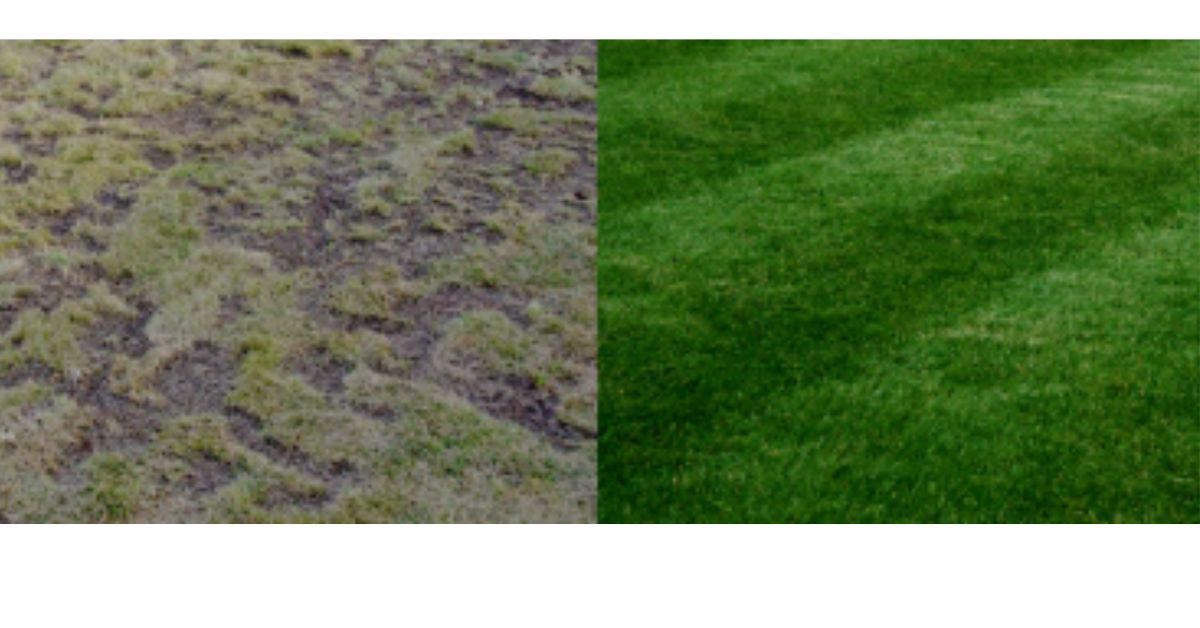
Lawn repair is usually the better choice when most of the existing grass is healthy and the damage is limited to bare spots, thin areas, or localized pest and disease problems. Complete lawn renovation makes more sense when desirable grass has been lost across a large part of the property, the soil is badly compacted or poorly graded, or the existing turf is the wrong type for the site.
For homeowners, the challenge is knowing which situation applies before spending money on seed, fertilizer, or extensive site work. In Kansas City, hot summers, drought stress, foot traffic, compacted soil, weeds, insects, and turf diseases can all leave a lawn looking worse than it really is. A careful assessment can determine whether targeted lawn repair will restore coverage or whether starting over is the more practical option.
How Do You Know If Your Lawn Needs Repair or Renovation?
A lawn with more than half of its desirable grass still growing may often be improved through overseeding, weed control, aeration, and changes to its care program. A lawn with large areas of unwanted grass, severe soil problems, or very little desirable turf may need more extensive renovation.
Look beyond the number of bare spots. A lawn can have many small damaged areas while still having a strong root system and enough healthy turf to recover.
Lawn repair is often appropriate when:
- Bare spots are scattered rather than widespread.
- Existing grass is healthy around damaged areas.
- Weeds are the main problem rather than poor soil.
- Damage came from drought, foot traffic, insects, or a localized disease.
- The current grass type is suitable for the property.
- The soil does not require major grading or tilling.
Renovation deserves consideration when:
- Less than roughly half of the lawn is desirable turf.
- Large areas are dominated by weeds or unwanted grasses.
- Drainage problems repeatedly kill grass.
- Heavy thatch or compaction prevents healthy rooting.
- The existing grass type does not suit the site.
- The lawn needs major soil preparation before new seed can succeed.
What Does Lawn Repair Involve?
Lawn repair focuses on fixing damaged sections while preserving healthy turf that is already established. The work may include identifying the cause of the damage, preparing the soil, correcting weeds or pests, aerating compacted areas, and applying new seed where grass cannot recover on its own.
The repair process may include:
- Inspect the damaged area: Look for signs of insects, disease, drought stress, poor drainage, or traffic.
- Remove debris and dead material: Clear the surface so new seed can reach soil.
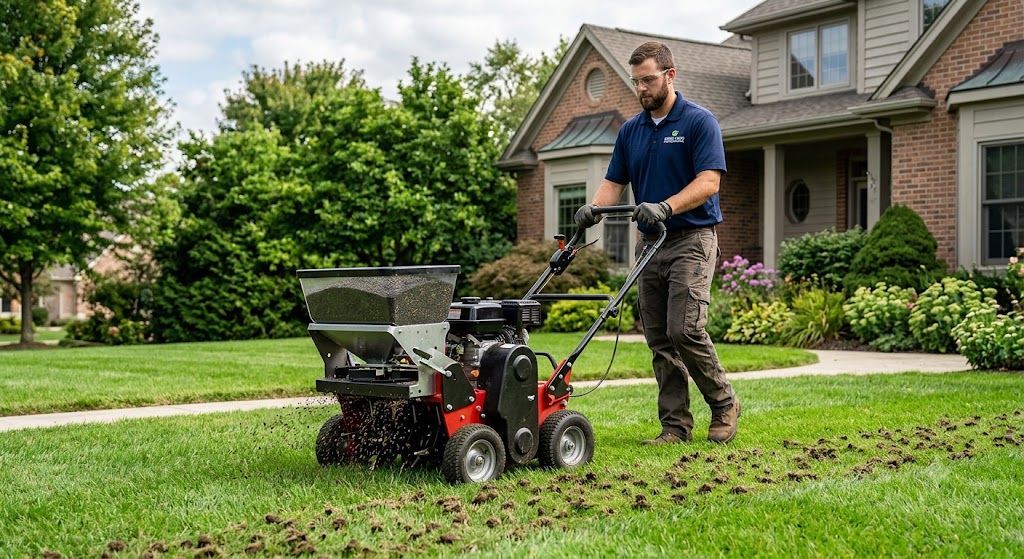
- Loosen compacted soil: Core aeration or other surface preparation can improve seed-to-soil contact.
- Apply suitable seed: Tall fescue is commonly used for cool-season lawns in the region.
- Protect and water the seed: The surface needs consistent moisture during germination.
- Adjust lawn care: Fertilization, mowing, weed control, and pest treatment may need to change after repair.
One common mistake is throwing seed over hard, bare soil and expecting it to grow. Grass seed needs contact with soil. Extension guidance recommends methods such as core aeration, verticutting, power raking, or slit seeding when surface conditions make seed-to-soil contact difficult.
When Are Bare Spots Small Enough To Repair?
Small bare spots do not always require immediate reseeding, particularly when the surrounding grass is healthy and the underlying cause has been corrected. University of Missouri Extension notes that patches under about four inches may fill naturally under favorable conditions, while larger areas that remain thin can benefit from overseeding.
The cause matters more than the size alone. A small brown patch caused by a recurring fungus will likely return if the disease is ignored. A bare area caused by a delivery vehicle or heavy foot traffic may need soil loosening and new seed.
Before repairing a patch, check for:
- Soil that feels hard when pushed with a screwdriver.
- Persistent standing water after rain.
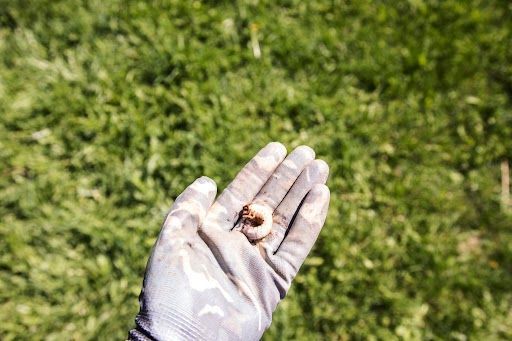
- Insect activity or damaged roots.
- Circular or irregular disease patterns.
- Heavy thatch.
- Repeated traffic over the same area.
- Nearby weeds competing with new seedlings.
Fixing the cause first gives the new grass a much better chance of surviving.
What Role Does Aeration Play In Lawn Repair?
Aeration helps relieve soil compaction and creates openings where seed, water, and nutrients can reach the soil more effectively. It is especially useful before fall overseeding when thinning has resulted from summer stress or heavy traffic.
Core aeration removes small plugs of soil rather than merely poking holes into the surface. For overseeding, the openings can improve contact between seed and soil.
Aeration is especially worth considering when:
- Soil is hard and difficult to penetrate.
- Grass grows poorly despite adequate fertilization.
- Heavy foot or mower traffic is present.
- Water runs off instead of soaking into the lawn.
- The lawn is being overseeded after summer thinning.
Aeration is not a cure for every lawn problem. It will not correct severe drainage defects, widespread disease, or a lawn made up mostly of undesirable grass. It is one part of a repair plan, not a replacement for diagnosing the problem.
Which Grass Should You Use For Bare Spot Repair?
Turf-type tall fescue is a common choice for cool-season lawns because its deep root system gives it useful heat and drought tolerance. Kentucky bluegrass can also help fill damaged areas because it spreads through underground stems, while fescue does not naturally spread into bare spots.
The right seed depends on what is already growing and the conditions of the property. Matching the existing lawn can produce a more consistent appearance than using a completely different grass.
Consider:
- Tall fescue: A strong choice for many sunny, non-irrigated areas.
- Kentucky bluegrass: Spreads through rhizomes and can recover from some damage.
- Tall fescue and Kentucky bluegrass blends: Can combine traits from both grasses.
- Shade-tolerant varieties: Worth considering where trees limit sunlight.
- Disease-resistant cultivars: Useful where recurring turf disease has been identified.
Seed quantity also matters. Applying too much seed is not a shortcut to faster coverage. Excessively dense seedlings can compete with one another and may become more prone to disease.

What Mistakes Can Cause Lawn Repair To Fail?
Most failed repairs are not caused by bad seed alone. Poor timing, weak soil preparation, incorrect watering, and failure to address the original cause can all leave newly seeded areas thin.
Avoid these common mistakes:
- Seeding directly onto hard soil: Seed may not make enough soil contact to establish.
- Overwatering: Constantly wet conditions can encourage disease and wash seed away.
- Letting seed dry out: Young seedlings need consistent moisture during germination.
- Using too much seed: Overcrowding can weaken the new stand.
- Ignoring weeds: Aggressive weeds compete with seedlings for light, water, and nutrients.
- Repairing disease without identifying it: The same problem can return after new grass emerges.
- Applying fertilizer without testing: Soil testing can prevent unnecessary applications and help target nutrient needs.
- Waiting until late fall: Later seeding leaves less time for young plants to establish before winter.
Watering deserves special attention. During establishment, the goal is to keep the soil surface moist without creating puddles or runoff. Missouri guidance notes that several light waterings may be needed during dry, warm conditions rather than one heavy watering.
People Also Ask
Is Lawn Repair Cheaper Than Complete Renovation?
Usually, yes, when healthy turf remains across most of the property. Repair uses targeted treatments and seeding instead of removing and rebuilding the entire lawn, but severe soil or drainage problems can make renovation the better long-term choice.
Can Bare Spots Fill In Without New Seed?
Some very small patches may fill naturally when surrounding grass is healthy and growing conditions are favorable. Larger bare areas, especially in all-fescue lawns, generally need new seed because fescue does not spread into empty spaces like Kentucky bluegrass.
When Should I Overseed A Kansas City Lawn?
Early to mid-September is generally the preferred period for cool-season grasses such as tall fescue and Kentucky bluegrass in the Kansas City area. Seeding may still work later, but establishment becomes less reliable as temperatures and daylight decline.
Does Aeration Help With Bare Spots?
Aeration can help when compaction is limiting grass growth and can improve seed-to-soil contact during overseeding. It will not fix every cause of bare spots, so the reason for turf loss should be identified first.
Conclusion
Lawn repair is often the smarter option when healthy turf remains and damage is limited to specific areas. Complete renovation is better suited to lawns with widespread turf loss, serious soil problems, poor drainage, or unsuitable grass types.
For professional lawn repair in Kansas City, contact
Lawnscape Specialists for help assessing bare spots, improving turf density, and choosing between targeted repair, overseeding, and full lawn renovation. Our lawn care, aeration, seeding, fertilization, weed control, and turf treatment services can address both visible damage and the conditions behind it.
Contact us today.