
Lawn Care Tips, Seasonal Guides & Expert Advice

Learn when lawn repair is better than full renovation in Kansas City, including bare spots, overseeding, aeration, fescue, and turf problems.
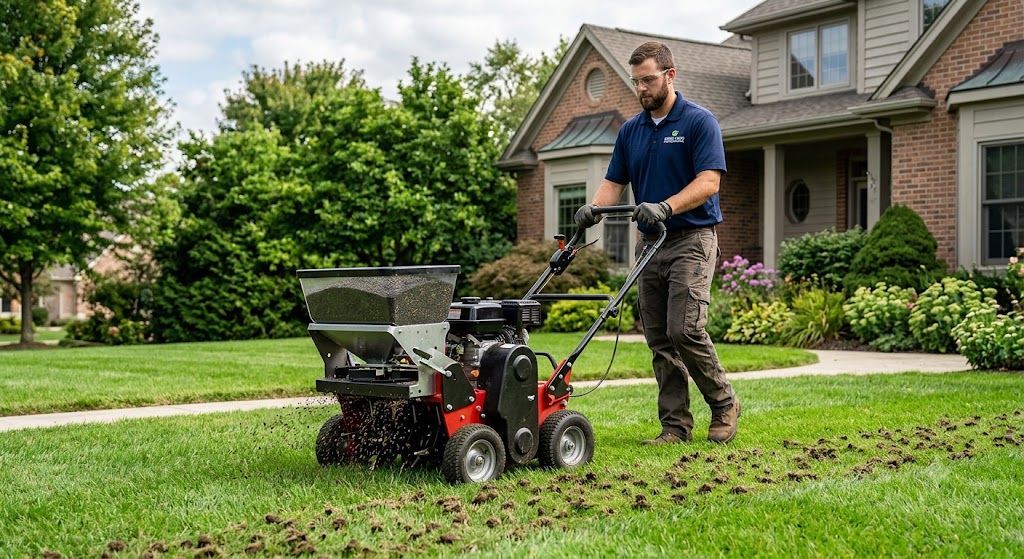
Learn why combining lawn aeration and overseeding creates thicker, healthier grass in Kansas City. Discover benefits, timing, and expert lawn care tips.

Summer in Kansas City hits hard. The heat, humidity, and seasonal pest pressure combine to create some of the most damaging conditions your lawn will face all year. Grubs hatch underground and quietly destroy root systems. Moles follow those grubs, tunneling through your yard and uprooting healthy turf. Mosquitoes and fleas make your outdoor space feel unusable. The good news? Most of this damage is entirely preventable, but only if you act at the right time. Waiting until you see brown patches, raised tunnels, or bare spots often means the damage is already done. This guide walks you through exactly what's happening beneath and above your lawn this summer, and what steps protect it before the situation gets out of hand. Why Summer Is the Most Critical Window for Pest Prevention Summer is not just when pests are active. It is when the most destructive phase of their life cycle takes place. Japanese beetle grubs, for example, hatch from eggs laid in midsummer and immediately begin feeding on grass roots just below the soil surface. By late July and August, they can chew through root systems across large sections of your lawn without a single visible warning sign above ground. The tricky part is timing. Grub control treatments work best when applied before the larvae establish deep in the soil, typically between late June and early August. Once grubs mature past their early larval stage, most preventive products become far less effective. That narrow window is why so many Kansas City homeowners end up with turf damage despite their best intentions. Pest activity also compounds. A grub infestation attracts moles, which then attract additional predators. Acting early disrupts that chain reaction before it ever starts. What Grubs Actually Do to Your Lawn (And How to Spot Them Early) Grubs are the larvae of beetles, most commonly Japanese beetles and masked chafers, both of which are common across the Kansas City metro area. They live in the top two to four inches of soil and feed on grass roots throughout summer and into early fall. Here is the problem most homeowners do not realize: your lawn can lose up to 50% of its root system before showing any visible symptoms. By the time you notice turf that peels back like a loose carpet or large patches of brown grass that do not respond to watering, the population underground may already be in the dozens per square foot. Early warning signs are subtle. Look for: Spongy turf that feels soft underfoot in areas that have not been watered Increased bird, skunk, or raccoon activity digging at the surface Irregular brown patches that do not follow drought or shade patterns A simple test: grab a section of discolored turf and pull gently. If it lifts away from the soil without resistance, grubs have likely severed the root system below. Our Lawn Grub Control treatment, applied as part of Step 3 of our 6-Step Lawn Care Program, targets grubs during this exact vulnerable window, before they can do serious damage. Moles Are a Symptom, Not the Root Problem
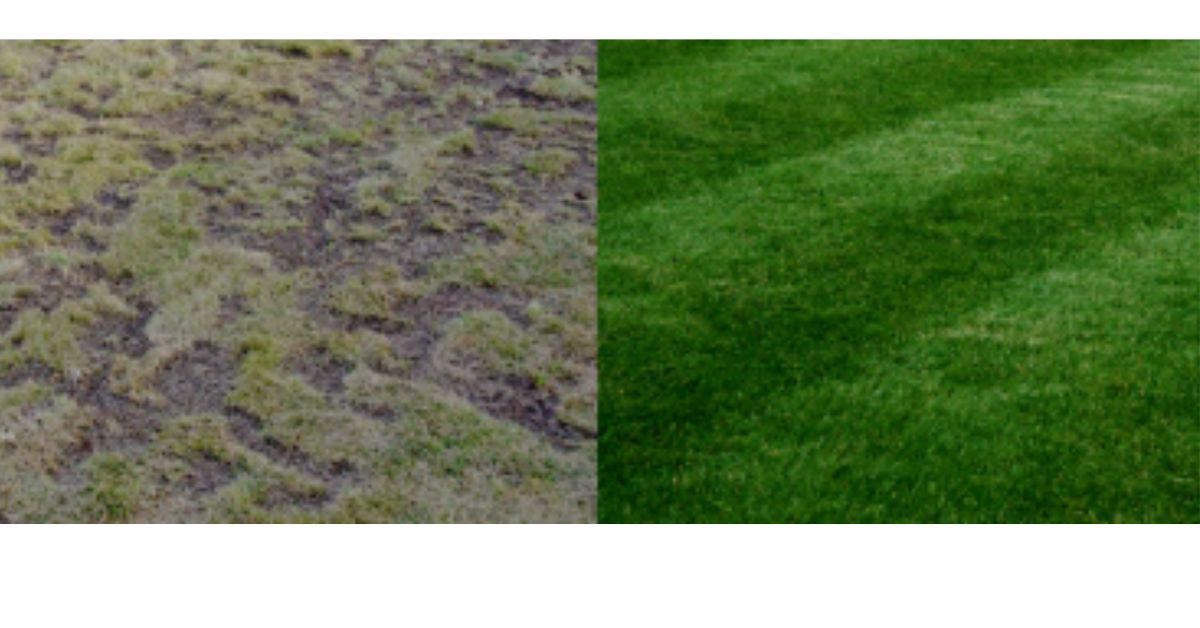
Transform your yard with professional Lawn Renovation and Seeding in Platte City. Trust Lawnscape Specialists for healthier turf, expert care, and a free estimate today!
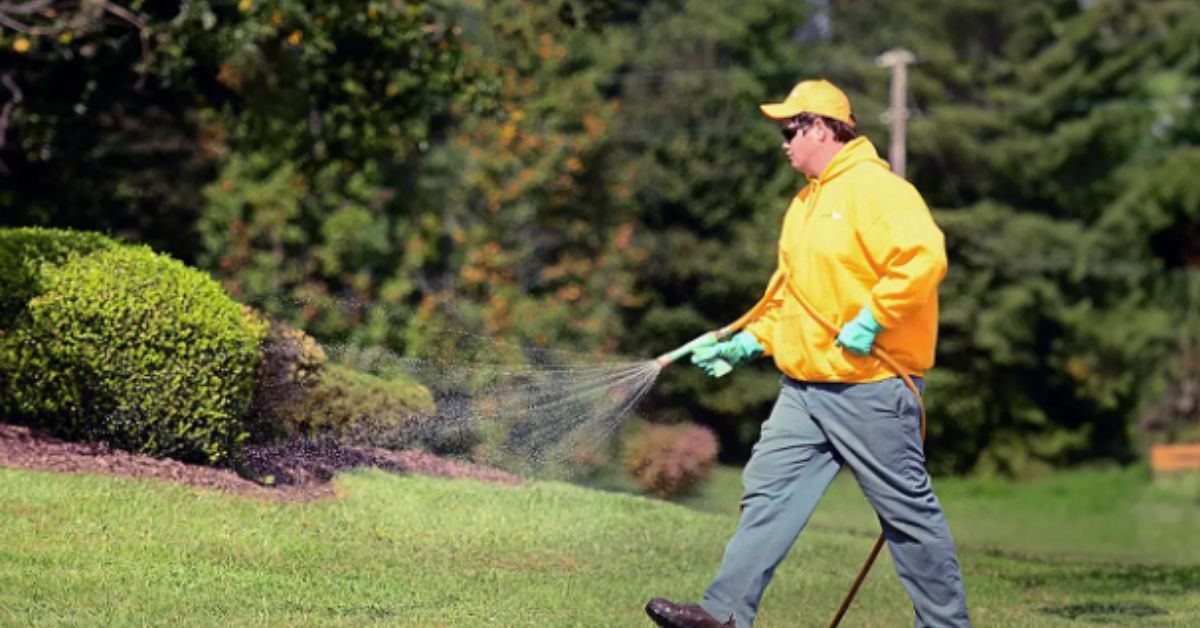
Protect your lawn with Residential Weed Control Liberty MO from Lawnscape Specialists. Get seasonal weed prevention and healthier, greener turf.

Get expert Seasonal Lawn Maintenance Platte Woods MO from Lawnscape Specialists for greener lawns, weed control, and healthier turf. Call today!

Discover Turf Management Services Platte Woods MO from Lawnscape Specialists for healthier, greener lawns with expert fertilization and weed control.

Mosquitoes and fleas peak in Kansas City summers. Learn why early professional treatment works better, what health risks are involved, and how to protect your yard all season.

Get expert Lawn Pest Maintenance Kansas City MO. From grubs to seasonal care, Lawnscape Specialists keeps your lawn healthy. Call now!
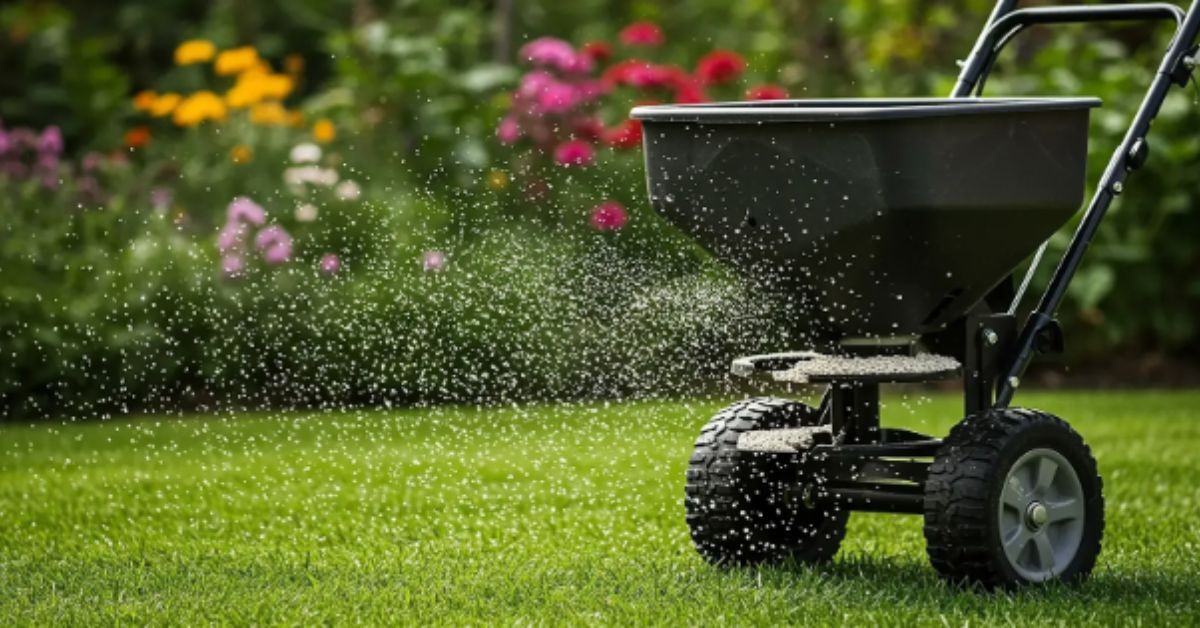
Get expert Professional Lawn Fertilization Parkville MO. Lawnscape Specialists offers custom plans & Lawn Pest Maintenance Kansas City MO. Call today!