Best Time to Overseed in Kansas City: A Complete Guide for 2026
If you're a Kansas City homeowner with a thin, patchy lawn, overseeding is one of the most effective ways to transform your turf into a thick, lush carpet of grass. But timing is everything when it comes to overseeding. Plant your seed at the wrong time of year, and you'll waste money and effort with poor germination rates. By the end of this post, you will know exactly when to overseed your lawn in Kansas City, why timing matters, and how to prepare your lawn for the best possible results.
The Best Time to Overseed in Kansas City: Quick Answer
- Optimal Window: Late August through mid-October (fall overseeding)
- Why Fall: Warm soil, cool air, and adequate moisture create ideal conditions for seed germination and establishment
- Secondary Window: Early spring (March-April) is a secondary option, but fall is superior
- Soil Temperature: Soil should be between 60-70°F for optimal germination
- Avoid Summer: Never overseed in summer when heat and drought stress the new seedlings
- Avoid Winter: Winter overseeding will fail because the seed won't germinate in cold soil
Why Fall Is the Best Time to Overseed in Kansas City
The fall season in Kansas City provides the perfect combination of environmental factors for successful overseeding. According to the University of Missouri Extension, "fall is the best time to seed new lawns or overseed existing lawns in Missouri because soil temperatures are warm enough for seed germination, but air temperatures are cool enough to reduce stress on seedlings." [1]
During late August through October, the soil temperature in Kansas City remains warm enough for grass seed to germinate quickly, typically between 60-70°F. At the same time, the cooler air temperatures (typically in the 60s-70s°F) reduce the stress on young seedlings. This combination is crucial because new grass seedlings are vulnerable to heat stress, and the cooler fall temperatures allow them to establish a strong root system before winter arrives.
Additionally, fall typically brings more consistent moisture through rainfall, which is essential for seed germination and establishment. This natural moisture reduces your watering requirements and increases the likelihood of successful germination. By spring, your new grass will have had months to develop a deep, healthy root system, making it much more drought-tolerant and disease-resistant than spring-seeded grass.
Signs Your Lawn Needs Overseeding
Before you schedule your overseeding service, it's helpful to understand the signs that your lawn could benefit from this treatment. If you notice any of the following, overseeding should be on your to-do list:
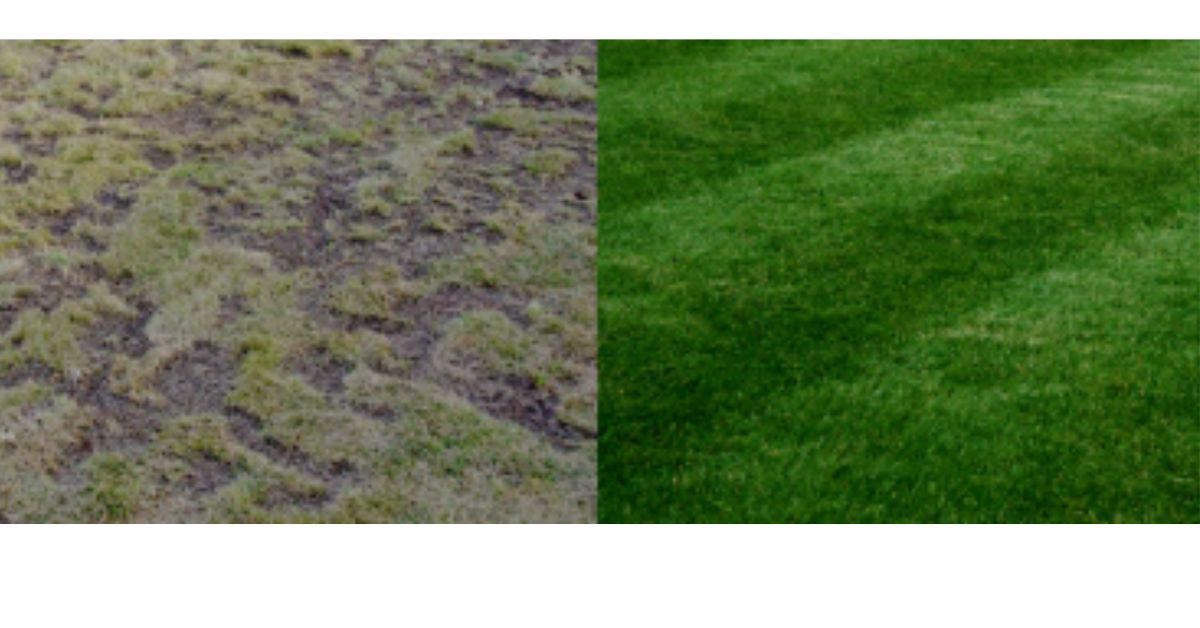
- Thin or Patchy Grass: If you can see bare soil through your lawn, overseeding can help fill in those thin spots and create a denser turf.
- Weed Infestations: A thick, healthy lawn is the best defense against weeds. If your lawn is thin, weeds will quickly take over. Overseeding helps create a dense turf that naturally crowds out weeds.
- High Traffic Areas: Areas of your lawn that receive heavy foot traffic often become thin and worn. Overseeding these areas can help restore the turf.
- Disease or Insect Damage: If your lawn has suffered from disease or insect damage, overseeding can help repair the damage and restore the lawn's health.
- Age: If your lawn is more than 5-10 years old, it may benefit from overseeding to introduce new, improved grass varieties.
The Step-by-Step Process for Overseeding in Kansas City
Understanding the overseeding process will help you prepare your lawn and know what to expect. Here's how a professional overseeding service typically works:
Step 1: Lawn Assessment and Preparation
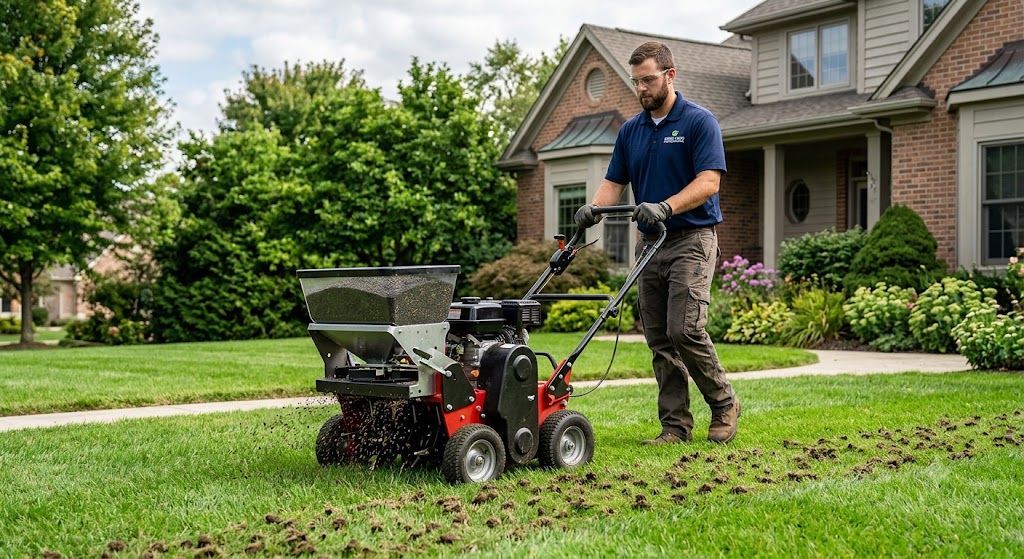
The first step is to assess the condition of your lawn. A lawn care professional will evaluate the soil, identify any problem areas, and determine the best approach. If your lawn has significant thatch buildup or soil compaction, aeration may be recommended before overseeding. Many homeowners choose to aerate and overseed together for maximum results.
Step 2: Mowing and Cleanup
Before overseeding, your lawn should be mowed short (about 2 inches) and all debris should be removed. This allows the seed to make good contact with the soil, which is essential for germination.
Step 3: Seed Selection
The type of seed you choose is critical for success. For Kansas City, tall fescue is the recommended grass type. According to K-State Research and Extension, "tall fescue is the most widely used cool-season grass in Kansas and is well-adapted to the state's climate." [2] A quality seed blend will include multiple varieties of tall fescue to provide genetic diversity and improved disease resistance.
Step 4: Overseeding Application
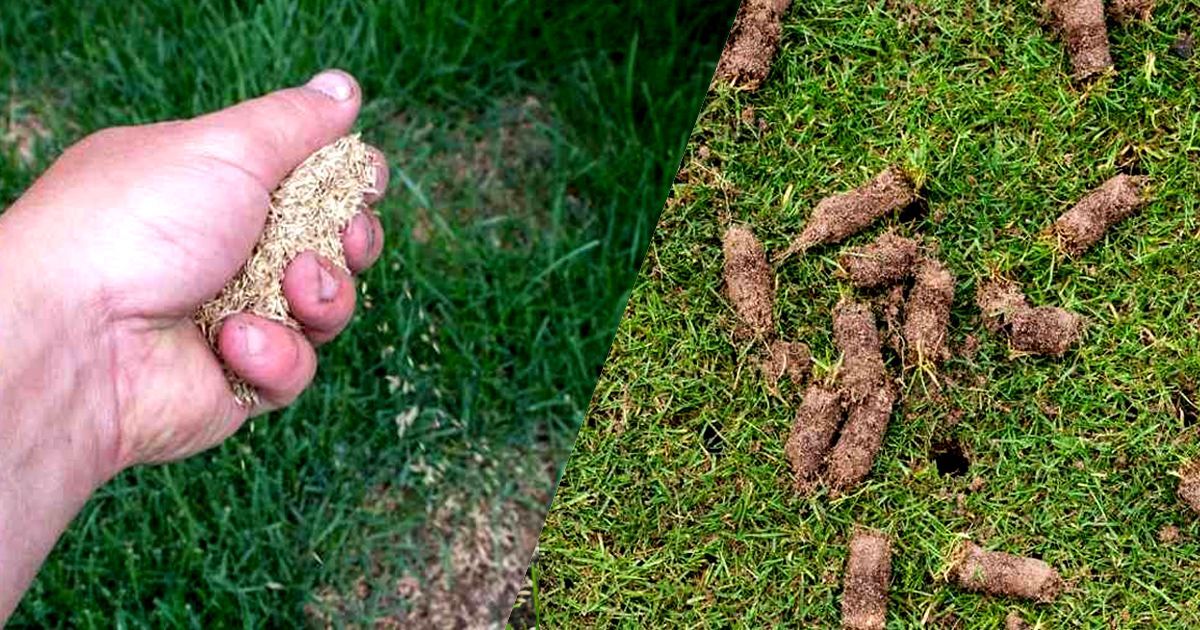
The seed is spread evenly over the lawn using a broadcast spreader or similar equipment. The goal is to achieve good seed-to-soil contact, which is why aeration before overseeding is so beneficial. The small holes created by aeration provide perfect pockets for the seed to nestle into.
Step 5: Starter Fertilizer Application
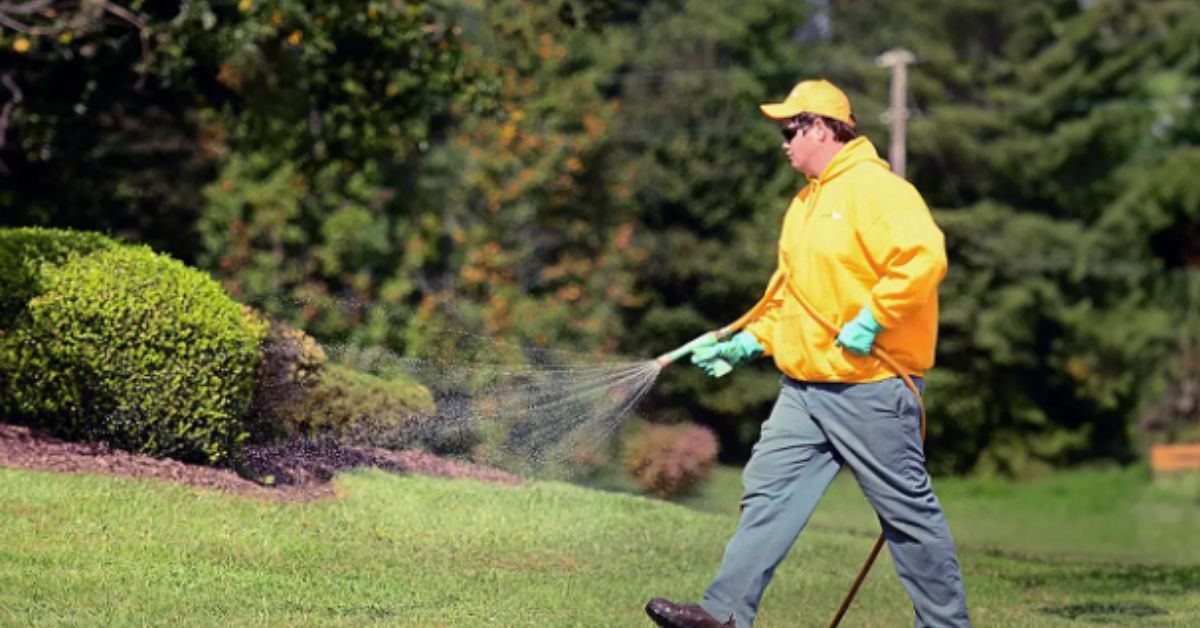
Immediately after overseeding, a starter fertilizer is applied. This fertilizer is high in phosphorus, which promotes root development in young seedlings. The starter fertilizer provides the new seed with the nutrients it needs to germinate and establish quickly.
Common Mistakes to Avoid When Overseeding
- Overseeding at the Wrong Time: As we've discussed, timing is critical. Overseeding in summer or winter will result in poor germination and wasted money.
- Using Low-Quality Seed: Cheap seed often contains a high percentage of weed seeds and low germination rates. Invest in quality seed from a reputable source.
- Skipping Aeration: While overseeding alone can be beneficial, combining it with aeration significantly improves results by ensuring better seed-to-soil contact.
- Improper Watering: New seed requires consistent moisture. Many homeowners either underwater or overwater, both of which can result in poor germination.
- Mowing Too Soon: Mowing the new grass before it's established can damage the seedlings. Wait until the new grass is at least 3-4 inches tall before mowing.
- Applying Weed Control Too Early: Weed control products can prevent seed germination. Wait at least 4-6 weeks after overseeding before applying any weed control.
DIY vs. Professional Overseeding: What You Need to Know
While it is possible to overseed your lawn yourself, there are significant advantages to hiring a professional. Professional lawn care companies have access to commercial-grade equipment that provides more uniform seed distribution than consumer equipment. They also have access to premium seed blends that are specifically formulated for the Kansas City climate. Perhaps most importantly, professionals have the expertise to ensure the job is done correctly, which can save you from costly mistakes.
If you do choose to DIY, you'll need to rent equipment, purchase seed and fertilizer, and invest significant time and effort. When you factor in the cost of rental equipment and premium seed, professional overseeding often costs less than you might expect, and the results are typically superior.
Your Partner in Lawn Care
At Lawnscape Specialists, we specialize in overseeding services designed to transform thin, patchy lawns into thick, healthy turf. We use premium seed blends specifically selected for the Kansas City climate, and we apply our services at the optimal time of year for maximum success. Contact us today for a free estimate and let us help you achieve the lawn of your dreams.
Ready to transform your lawn with professional overseeding?
Frequently Asked Questions
What is the best time to overseed in Kansas City?
The best time to overseed in Kansas City is from late August through mid-October. This timing provides warm soil for germination, cool air to reduce seedling stress, and typically adequate moisture from fall rains.
Can I overseed my lawn in spring?
While spring overseeding is possible, it is less ideal than fall overseeding. Spring-seeded grass is more susceptible to heat stress in summer and may not establish as well as fall-seeded grass.
How long does it take for overseeded grass to grow?
New grass seed typically germinates within 2-3 weeks, but it can take several months for the new grass to fully mature and blend in with your existing lawn.
Do I need to aerate before overseeding?
While aeration is not absolutely necessary, it significantly improves overseeding results by ensuring better seed-to-soil contact. Many homeowners choose to aerate and overseed together.
How much does overseeding cost in Kansas City?
The cost of overseeding varies depending on the size of your lawn, but you can typically expect to pay between $250 and $500 for professional overseeding services.
What type of grass seed should I use in Kansas City?
Tall fescue is the recommended grass type for Kansas City. Look for a quality seed blend that includes multiple varieties of tall fescue for genetic diversity and improved disease resistance.
References
- University of Missouri Extension - Lawn Establishment and Renovation
- K-State Research and Extension - Turfgrass Species for Kansas