How to Protect Your Kansas City Lawn from Grubs, Moles & Summer Pests Before It's Too Late
Summer in Kansas City hits hard. The heat, humidity, and seasonal pest pressure combine to create some of the most damaging conditions your lawn will face all year. Grubs hatch underground and quietly destroy root systems. Moles follow those grubs, tunneling through your yard and uprooting healthy turf. Mosquitoes and fleas make your outdoor space feel unusable. The good news? Most of this damage is entirely preventable, but only if you act at the right time.
Waiting until you see brown patches, raised tunnels, or bare spots often means the damage is already done. This guide walks you through exactly what's happening beneath and above your lawn this summer, and what steps protect it before the situation gets out of hand.
Why Summer Is the Most Critical Window for Pest Prevention
Summer is not just when pests are active. It is when the most destructive phase of their life cycle takes place. Japanese beetle grubs, for example, hatch from eggs laid in midsummer and immediately begin feeding on grass roots just below the soil surface. By late July and August, they can chew through root systems across large sections of your lawn without a single visible warning sign above ground.
The tricky part is timing. Grub control treatments work best when applied before the larvae establish deep in the soil, typically between late June and early August. Once grubs mature past their early larval stage, most preventive products become far less effective. That narrow window is why so many Kansas City homeowners end up with turf damage despite their best intentions.
Pest activity also compounds. A grub infestation attracts moles, which then attract additional predators. Acting early disrupts that chain reaction before it ever starts.
What Grubs Actually Do to Your Lawn (And How to Spot Them Early)
Grubs are the larvae of beetles, most commonly Japanese beetles and masked chafers, both of which are common across the Kansas City metro area. They live in the top two to four inches of soil and feed on grass roots throughout summer and into early fall.
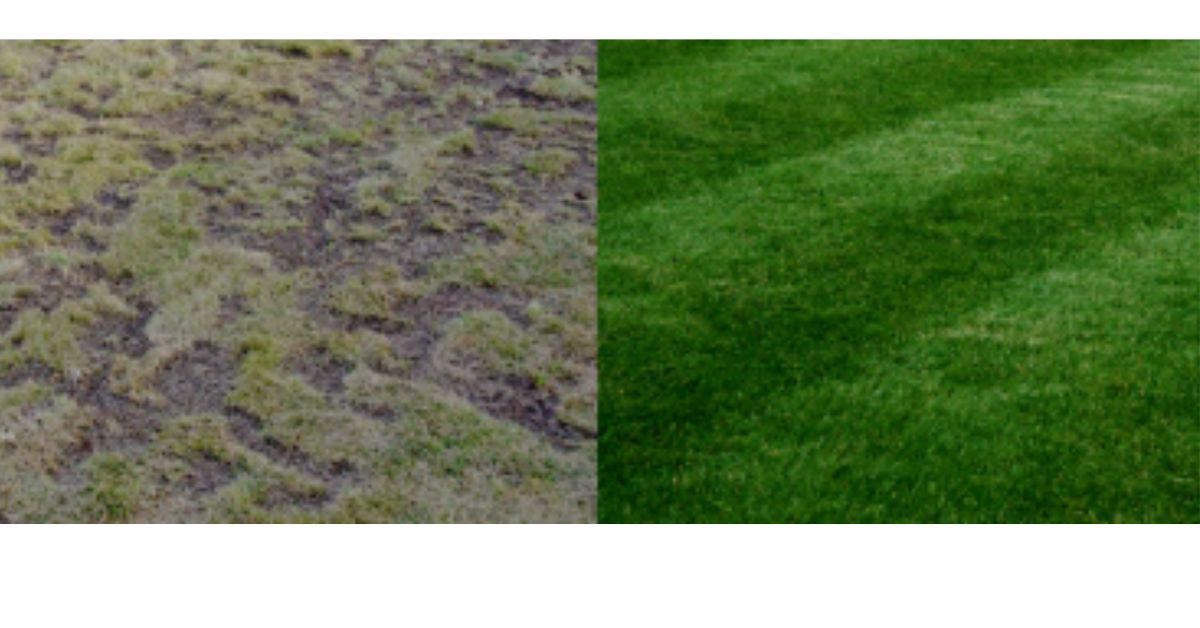
Here is the problem most homeowners do not realize: your lawn can lose up to 50% of its root system before showing any visible symptoms. By the time you notice turf that peels back like a loose carpet or large patches of brown grass that do not respond to watering, the population underground may already be in the dozens per square foot.
Early warning signs are subtle. Look for:
- Spongy turf that feels soft underfoot in areas that have not been watered
- Increased bird, skunk, or raccoon activity digging at the surface
- Irregular brown patches that do not follow drought or shade patterns
A simple test: grab a section of discolored turf and pull gently. If it lifts away from the soil without resistance, grubs have likely severed the root system below.
Our Lawn Grub Control treatment, applied as part of Step 3 of our 6-Step Lawn Care Program, targets grubs during this exact vulnerable window, before they can do serious damage.
Moles Are a Symptom, Not the Root Problem
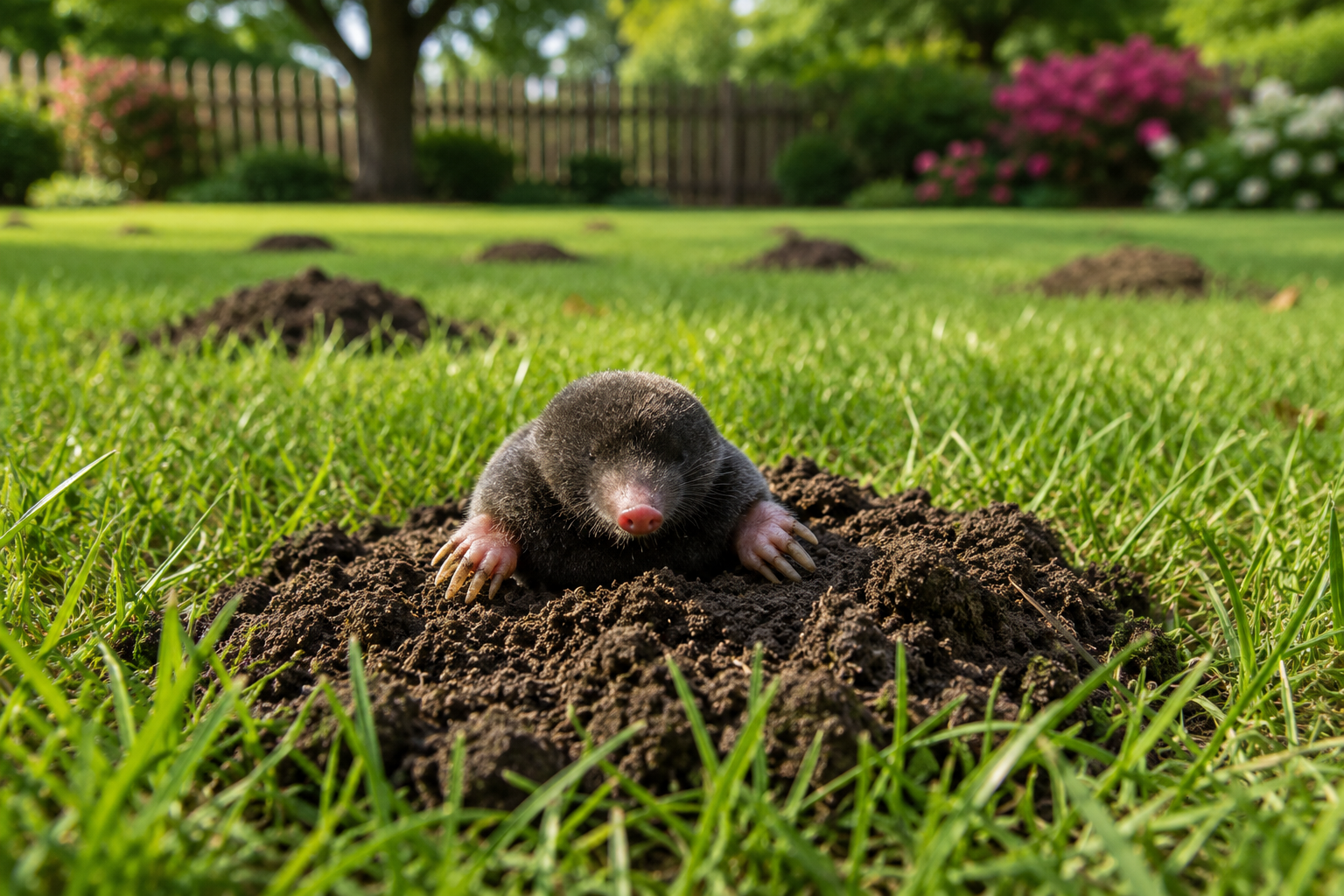
Most homeowners treat moles as the primary issue. In reality, moles follow the food. A yard with an active grub or earthworm population is a feeding ground, and moles will tunnel relentlessly through turf to reach it.
A single mole can dig up to 100 feet of tunnel per day. Those tunnels sever grass roots, disrupt the soil structure, and leave raised ridges across your lawn that look unsightly and make mowing uneven. Left unaddressed, a mole can destroy a healthy lawn section in a matter of weeks.
The most effective approach combines two steps: eliminating the underground food source and directly managing the mole population. Treating grubs alone can reduce mole activity significantly, but an established mole may continue tunneling out of habit or in search of earthworms even after grubs are gone.
Our Mole Control Program addresses both sides of this problem, targeting the pest directly while the lawn care program works on eliminating what draws them in.
Mosquitoes, Fleas & Ticks: The Pests That Make Your Yard Unwelcoming
Beyond turf damage, summer brings pests that directly affect your family and pets. In Kansas City, mosquito populations peak from late May through September, with fleas and ticks remaining active through the first hard frost.
What most people do not know is that mosquitoes do not just breed in standing water. They rest during the heat of the day in dense vegetation, shrubs, and shaded areas around your property. A single treatment targeting these resting zones can reduce the mosquito population around your home by a significant margin, without harming pollinators or flowering plants.
Fleas and ticks present a different challenge. Ticks in Missouri can carry Lyme disease, Rocky Mountain spotted fever, and ehrlichiosis. Fleas reproduce quickly and can bring an infestation indoors if your pets are spending time in an untreated yard. A professional flea and tick barrier applied several times during the season keeps both risks low throughout summer and fall.
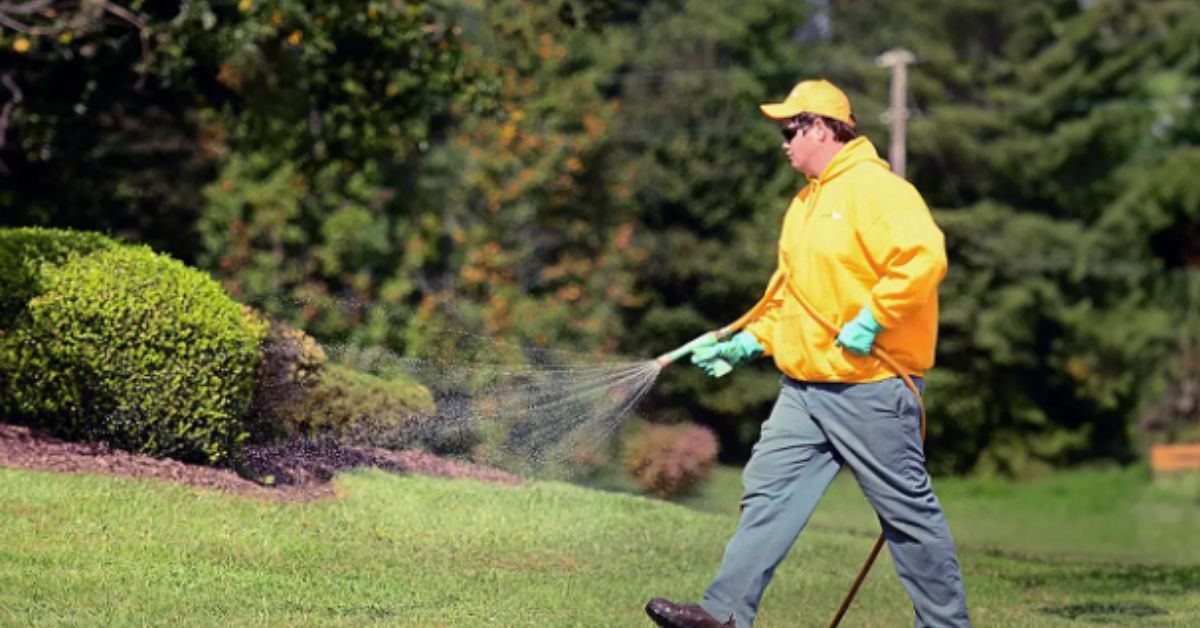
Our seasonal Pest Control services, including Mosquito Control, Flea & Tick Control, and our Home Insect Barrier, are available through fall, making summer the perfect time to get on a treatment schedule before populations peak.
How a Strong Lawn Naturally Resists Pest Pressure
This is something most pest guides skip over entirely: a thick, well-nourished lawn is genuinely harder for pests to damage. Grubs cause the most destruction in thin or stressed turf where root systems are already shallow. A lawn with deep roots and dense growth can withstand moderate grub feeding without visible damage because it simply has more root mass to lose before the effects show above ground.
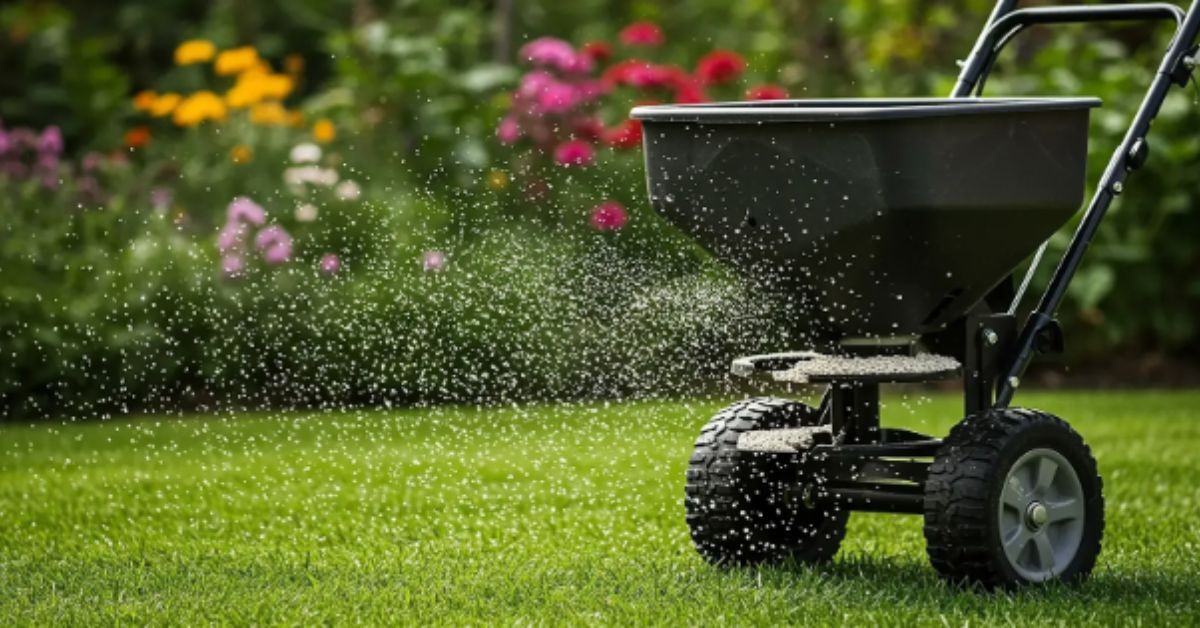
That resilience comes from consistent, science-based lawn care. Our 6-Step Lawn Care Program is built around this principle. Summer fertilization in Step 3 delivers a slow-release formula that keeps your grass healthy during peak heat, which is exactly when stressed lawns become most vulnerable to pest damage.
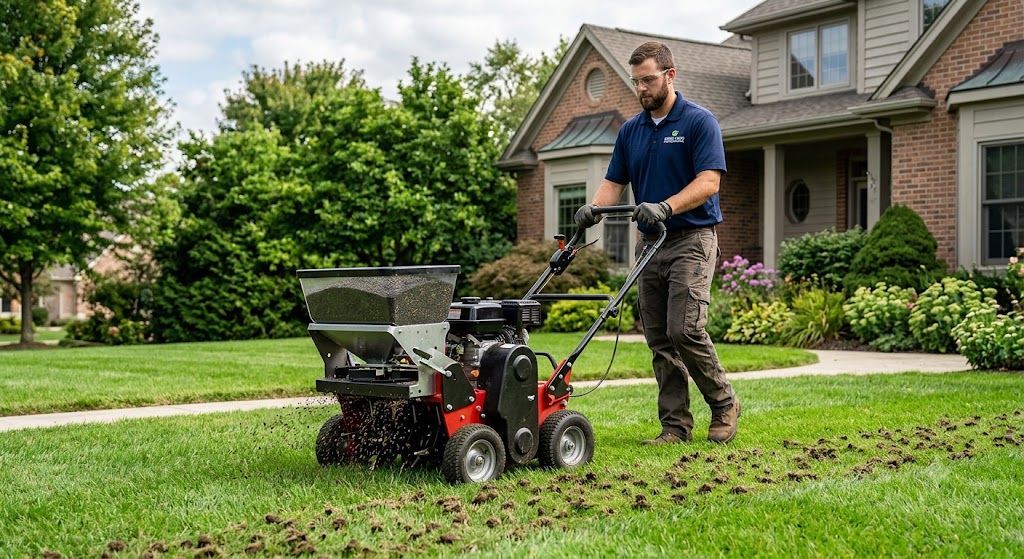
Proper soil health also matters. Compacted soil limits root depth, meaning grubs have less distance to travel before they reach the base of your grass. Core aeration and liquid aeration open up the soil, improve root penetration, and make your lawn structurally harder for underground pests to devastate.
Think of lawn care and pest control not as separate services but as two parts of the same defense system.
Lawn Fungus and Army Worms: The Summer Threats Most Homeowners Miss
Grubs and moles get most of the attention, but summer in Kansas City brings two other threats that can wipe out large sections of turf quickly.
Brown patch disease is a fungal condition that thrives in the hot, humid nights Kansas City is known for in July and August. It spreads rapidly in fescue lawns and looks similar to drought stress or grub damage, which leads to many misdiagnoses and wasted treatment efforts. The distinguishing feature is a tan or gray ring around the brown patch and irregular, roughly circular shapes. Our Lawn Fungus Treatment targets the specific pathogens responsible rather than applying a generic solution.
Army worms are a less predictable but equally destructive threat. They move in large numbers and can strip a lawn down to the soil within days. Kansas City lawns saw significant army worm pressure in recent years, and 2026 conditions are favorable for another active season. If you notice thin, ragged-looking turf that seems to be receding quickly, inspect the grass closely in the evening when army worms feed. You may spot them before the full damage is done.
Both of these threats respond well to fast treatment and poorly to a wait-and-see approach.
Frequently Asked Questions
When should grub control be applied in Kansas City?
The best window for preventive grub control in Kansas City is late June through early August. This timing targets young larvae shortly after they hatch, before they burrow deeper into the soil and become resistant to treatment. Applying too early or too late significantly reduces effectiveness.
Can moles damage my lawn even if I do not have a grub problem?
Yes. While grubs are a primary food source, moles also feed heavily on earthworms, which are present in virtually every healthy lawn. Eliminating grubs reduces the food supply and often decreases mole activity, but direct mole control may still be needed if an animal has already established tunnels on your property.
How often should mosquito treatments be applied?
For consistent protection through the Kansas City summer, mosquito treatments are typically applied every three to four weeks between May and October. This schedule keeps populations low through the entire active season rather than reacting to a single peak period.
Is lawn fungus treatment safe for kids and pets?
Professional fungicide applications are formulated to be safe once dry, which generally takes a few hours. We follow application guidelines that are designed to protect the health of your family and pets while effectively targeting the fungal pathogens causing damage.
Will pest control treatments affect my lawn care program?
No. Our pest control services are designed to work alongside the 6-Step Lawn Care Program. Treatments are timed and formulated to address specific pest threats without interfering with fertilization, weed control, or other turf care steps.
Do Not Let Summer Get Ahead of Your Lawn
The window for effective summer pest prevention in Kansas City is short. Grub treatments need to go down before larvae mature. Mosquito and flea control works best when started ahead of peak season. Mole activity escalates quickly once a food source is established underground. The homeowners who maintain the best-looking lawns are not the ones who react to problems. They are the ones who stay a step ahead.
At Lawnscape Specialists, we combine our proven 6-Step Lawn Care Program with targeted pest control treatments to give Kansas City lawns a full-season defense. From grub prevention to mole control to mosquito barriers, we handle it all so your outdoor space stays healthy, green, and enjoyable all summer long. Call us today at 816-284-8097 to get started.