Two problems tend to frustrate homeowners in Tiffany Springs more than any other during the warmer months: a yard suddenly crisscrossed with raised tunnels, and round brown patches spreading through otherwise healthy turf. Both issues can appear at the same time, especially in the Northland's humid summers, and both require a different kind of fix than a homeowner can usually manage with a bag of store-bought product.
Lawnscape Specialists works with homeowners throughout Tiffany Springs and the surrounding Kansas City Northland to identify which of these two problems is at play and to bring in the right treatment for it. This guide walks through why moles tunnel through area yards, what signs point to an active mole problem, why brown patch shows up in this region's climate, and how professional treatment addresses each issue directly.
Quick Answers
Moles dig through lawns while hunting for earthworms, grubs, and other soil insects. Yards with moist, insect-rich soil, like many in the Northland, tend to attract more mole activity.
Brown patch typically shows up as roughly circular patches of tan or brown turf, sometimes with a darker ring around the edge. It tends to spread fastest during warm, humid stretches of summer.
Yes. New customers receive 50 percent off their first application, and customers who pay for a full season of services in advance receive an additional 5 percent discount.
Why Moles Tunnel Through Tiffany Springs Lawns
Moles are not digging through a yard out of spite toward the homeowner. They are following a food source just beneath the surface. Understanding what draws them in helps explain why some yards see repeated activity while others rarely do.
- Moles feed primarily on earthworms and soil-dwelling insects, so a lawn with abundant worm activity is naturally more attractive to them.
- Moist, well-watered soil, common across many Tiffany Springs yards, supports the insect and worm populations moles rely on for food.
- A single mole can create a surprising length of tunnel in a short time while searching for food, which is why damage can seem to appear overnight.
- Mole activity tends to increase in spring and fall when soil moisture and insect movement are favorable for the animals.
Recognizing the Signs of an Active Mole Problem
Not every raised ridge in a lawn means an active infestation. However, a few patterns can indicate that moles are currently working through a yard rather than having passed through once in the past.
- Raised, winding ridges across the lawn usually indicate shallow feeding tunnels that moles use regularly.
- Small volcano-shaped mounds of loose soil often mark deeper tunnels and entry or exit points moles use to move between feeding areas.
- Spongy or soft patches underfoot, even where the grass still looks green, can signal a tunnel running just below the surface.
- Fresh ridges that reappear in the same area within a day or two after being flattened point to ongoing activity rather than an old, abandoned tunnel.
How the Mole Control Program Addresses the Problem
Once mole activity is confirmed, the goal is to reduce the population disrupting the lawn using a method suited to a residential yard rather than a broad chemical application. Lawnscape Specialists built its mole control program around that need.
- The program uses an environmentally friendly approach designed specifically for the tunneling behavior moles display in Midwestern yards.
- Treatment focuses on areas of the lawn showing the clearest and most recent signs of activity rather than a blanket application across the entire property.
- Homeowners in Tiffany Springs can review the details of this and other pest-related services through the Lawnscape Specialists pest control page.
- Addressing mole activity early can help limit the extent of tunnel damage a lawn accumulates before treatment begins.
What Causes Brown Patch in the Kansas City Northland Climate
Brown patch is a fungal turf disease. Like most turf fungi, it thrives under a specific combination of conditions that shows up regularly in this region's summer weather.
- Warm nighttime temperatures combined with high humidity create ideal conditions for brown patch fungus to become active in turf.
- Extended periods of leaf wetness, whether from rainfall, irrigation, or heavy morning dew, give the fungus more time to spread across grass blades.
- Turf that stays wet overnight is especially vulnerable, which is why watering schedules and drainage patterns can play a role in how severe an outbreak becomes.
- Kansas City's Northland summers regularly produce humid conditions that allow brown patch and similar turf diseases to take hold in area lawns.
Identifying Brown Patch and Similar Turf Disease
Recognizing brown patches early can help limit how much of a lawn becomes affected before treatment begins. Fungal turf diseases tend to spread outward from their original point of infection.
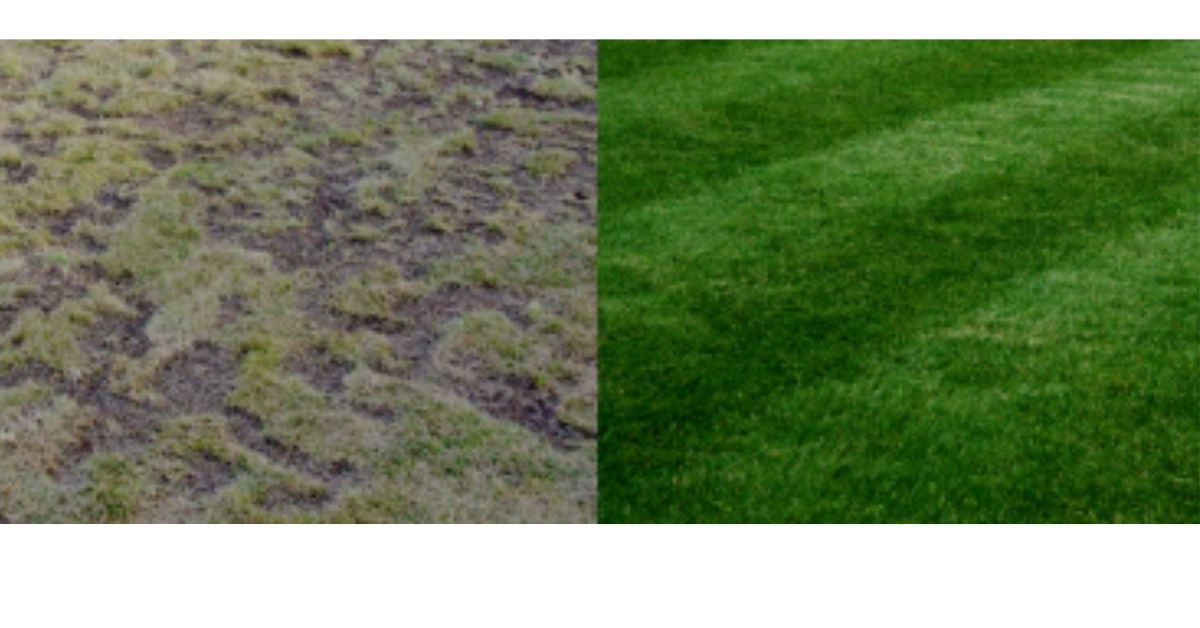
- Affected areas typically appear as roughly circular or irregular patches of brown or tan turf against otherwise green grass.
- A darker, smoke-colored ring can sometimes be visible around the outer edge of an active patch, particularly in the early morning.
- Grass blades within an affected patch may show lesions or a water-soaked appearance before the tissue fully browns out.
- Patches can expand quickly during hot, humid weather, when this type of fungal disease is most active in Northland turf.
How Fungicide and Disease Control Treatment Works
Once brown patch or a similar fungal disease is confirmed, the response is a targeted fungicide application rather than a general lawn treatment. Fungal issues need a product designed specifically to address fungal growth.
- The fungicide and disease control service is applied directly to address the fungus and turf disease responsible for the brown spotting.
- Treatment targets active fungal growth to help stop a patch from continuing to expand across the lawn.
- Homeowners can explore how this service fits alongside other offerings on the Lawnscape Specialists lawn care page.
- Because fungal disease pressure is closely tied to weather, a lawn that has shown brown patch once may be more likely to experience it again during similar conditions the following summer.
- Homeowners who want a technician to evaluate a brown patch outbreak can contact the team to schedule a visit.
Quick Summary
Tiffany Springs homeowners dealing with raised tunnels, soft patches of turf, or spreading brown spots are usually facing one of two distinct issues: an active mole problem or a fungal turf disease like brown patch. Each calls for a different kind of treatment.
Lawnscape Specialists addresses mole activity with an environmentally friendly control program built around how moles tunnel through Midwestern yards. Brown patch and similar turf diseases are addressed with a targeted fungicide and disease control application.
New customers can try either service at 50 percent off their first application, with an additional 5 percent available for those who pay for the full season in advance. Homeowners across Tiffany Springs and the surrounding Northland communities can reach out to get their lawn evaluated and matched with the right treatment.
Key Takeaways
- Moles tunnel through Tiffany Springs yards while searching for earthworms and soil insects, which moist soil tends to attract.
- Raised, winding ridges and small volcano-shaped mounds are clear signs of mole tunnels beneath a lawn.
- Spongy or soft turf can signal an active tunnel even where the grass above still looks healthy.
- Lawnscape Specialists' mole control program uses an environmentally friendly approach designed for how moles behave in Midwestern lawns.
- Brown patch is a fungal turf disease that becomes active during warm, humid stretches with extended periods of leaf wetness.
- Brown patch typically appears as circular or irregular brown patches, sometimes with a darker ring around the edges.
- The fungicide and disease control service targets active fungal growth, and new customers can try it or the mole control program at 50 percent off their first application.