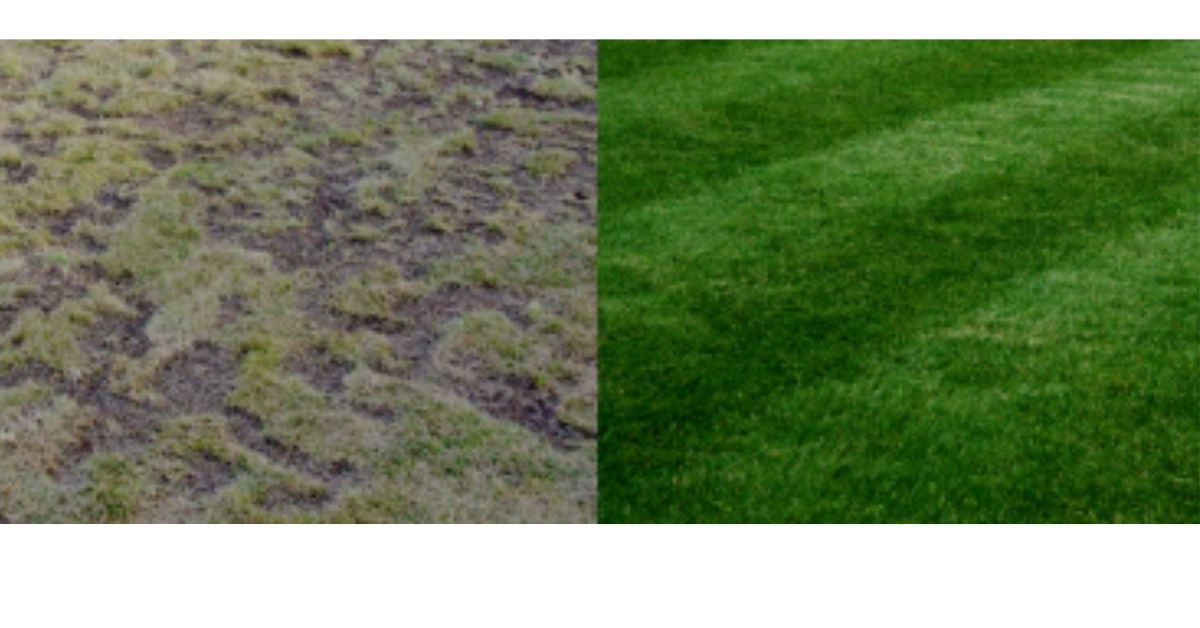
A lawn can look fine on the surface and still be under attack from below, which is exactly how grub damage tends to catch homeowners off guard. Lawnscape Specialists works with families across Smithville, Riverside, and Kansas City, MO, who are dealing with three related but distinct problems: grubs feeding on roots underground, fungus and disease causing brown patches on the surface, and seasonal pests like armyworms showing up in late summer.
Each of these issues needs a different kind of attention, and treating them as one connected pest maintenance program tends to produce better results than chasing each problem separately after it appears. This guide walks through grub prevention in Smithville, fungus and disease treatment in Riverside, and general pest maintenance considerations for Kansas City homeowners, along with how new customers can try the service at a reduced cost.
Quick Answers
Grub prevention is built into the seasonal Summer application, which includes a treatment designed to protect the lawn from grub activity for a full year rather than just through the warm months.
It targets fungus and turf disease, including the kind that produces brown, discolored patches in the lawn, helping the grass recover its color and density instead of thinning out further.
No. Armyworms and other surface-feeding pests are different from soil-dwelling grubs, but Lawnscape Specialists addresses both under one integrated lawn pest maintenance approach.
Why Grub Damage Sneaks Up on Smithville, MO Homeowners
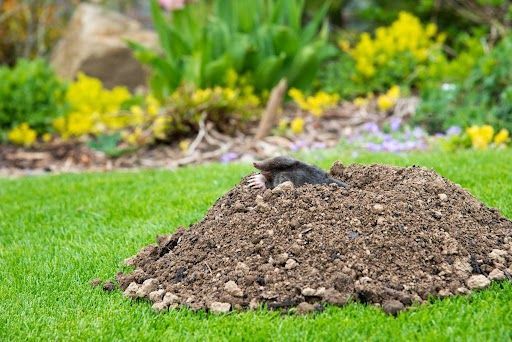
Grubs are the larval stage of certain beetles, and they live in the soil just beneath the turf, feeding on grass roots rather than the blades homeowners actually see. Because the damage starts underground, a lawn can already have a weakened root system before any visible sign shows up on top.
- Grubs feed on the root system of the lawn, which reduces the grass's ability to absorb water and nutrients even when the surface still looks green.
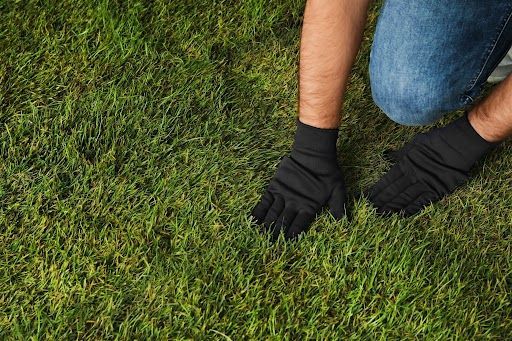
- Damaged turf often pulls up easily in patches, almost like a loose carpet, because the roots holding it down have already been eaten away.
- Grub damage tends to show up in irregular brown or thinning patches that can initially be mistaken for drought stress or disease.
- Waiting until damage is visible on the surface usually means the grub population has already been active long enough to cause root loss.
How the Year-Long Summer Grub Prevention Treatment Works
Rather than treating grubs after damage appears, Lawnscape Specialists builds prevention into the seasonal program so Smithville, MO, lawns are protected before grub activity becomes a problem. This step is folded into the same visit as the Summer fertilizer application, so homeowners do not need to schedule a separate trip just for grub control.
- The Summer application includes a grub prevention treatment as part of the regular fertilization program rather than as an emergency add-on.
- This treatment is designed to protect the lawn from grub activity for a full year, not just through the peak summer window.
- Applying prevention during the Summer step means the treatment is in place before grub populations typically reach levels that cause visible turf damage.
- Homeowners who want to see how this step fits into the full seasonal schedule can review the broader program on the Lawnscape Specialists lawn care page.
Recognizing Fungus and Turf Disease in Riverside, MO Lawns
Brown patches that spread across a lawn are not always a sign of underground pest activity. In many Riverside, MO, yards, the culprit is fungus or turf disease, which behaves differently from grub damage and needs its own kind of treatment.
- Fungus-related brown patches tend to spread outward from a central point rather than showing up as scattered, irregular damage like grub feeding does.
- Turf disease often develops during periods of high humidity or when a lawn stays wet for extended stretches, both of which are common during Missouri summers.
- Grass affected by fungus can thin and discolor even in areas that are otherwise well watered and fertilized, which can help distinguish disease from drought stress.
- A lawn with recurring brown patches from one season to the next may benefit from a dedicated fungus and disease evaluation rather than another round of general fertilizer.
Lawn Fungus Treatment in Riverside, MO: What the Service Covers
Once fungus or disease is confirmed, treatment focuses on addressing the spread and giving the turf a chance to recover its color and thickness. This is a targeted service that sits alongside, but separate from, the standard fertilization schedule.
- The fungicide and disease control service is applied specifically to address fungus and turf disease that causes brown spots in the lawn.
- Treating an active outbreak early can help limit how far the affected patch spreads before the grass has a chance to recover.
- Riverside, MO, homeowners dealing with recurring brown patch symptoms can request an evaluation through Lawnscape Specialists' pest control service.
- A lawn recovering from fungus can still benefit from the rest of the seasonal fertilization program, since healthy turf is better positioned to withstand environmental stress.
Lawn Pest Maintenance in Kansas City, MO: Armyworms and Surface Pests
Beyond what happens underground with grubs, Kansas City, MO, lawns can also face surface-feeding pests. Armyworms are one of the seasonal concerns homeowners may encounter in late summer. These insects feed on grass blades rather than roots, making them a different problem from grubs even though both fall under general pest maintenance.
- Armyworms are surface-feeding pests that chew on grass blades and can move through a lawn quickly once an infestation takes hold.
- Late summer is typically when armyworm activity becomes a seasonal concern for lawns across the Midwest, including the Kansas City metro.
- Because armyworm damage and grub damage look different and originate at different levels of the lawn, an accurate diagnosis matters before deciding on next steps.
- Lawnscape Specialists includes surface pest concerns within its broader lawn pest maintenance approach, allowing the team to assess activity and recommend an appropriate treatment.
Building an Integrated Pest Maintenance Program for Your Lawn
Grubs, fungus, and surface pests like armyworms are three separate problems, but they can be easier to manage when one team is watching for all three rather than homeowners trying to diagnose each issue on their own. Lawnscape Specialists structures its service around that integrated approach across Smithville, Riverside, and Kansas City, MO.
- An integrated pest maintenance program covers soil pests like grubs and surface-level insect activity within the same ongoing service relationship.
- Fungus and disease treatment can be added alongside pest maintenance when brown patch symptoms appear, without starting over with a new provider.
- New customers can try the program at 50 percent off their first application, making it easier to explore the service before committing to a full season.
- Homeowners who pay for all seasonal services in advance receive an additional 5 percent discount on top of new customer savings, according to the supplied blog content.
Quick Summary
Grub damage, lawn fungus, and surface pests like armyworms are three different problems that can affect lawns across Smithville, Riverside, and Kansas City, MO. Each needs its own kind of attention.
Lawnscape Specialists builds grub prevention into its seasonal Summer fertilizer application with a treatment designed to protect the lawn for a full year. The company also offers a dedicated fungicide and disease control service for brown patch and other turf disease, while addressing surface pests like armyworms through an integrated lawn pest maintenance program.
According to the supplied content, new customers can receive 50 percent off their first application, with an additional 5 percent available for advance payment of the full season.
Key Takeaways
- Grubs feed on grass roots underground, which can weaken a lawn before brown patches become visible on the surface.
- The seasonal Summer application includes a grub prevention treatment designed to protect the lawn from grub activity for a full year.
- Fungus and turf disease cause brown, spreading patches that are different from grub damage and require their own treatment approach.
- The fungicide and disease control service targets fungus and disease responsible for brown spots in Riverside, MO, lawns.
- Armyworms are surface-feeding pests that are a seasonal concern in Midwest lawns, particularly in late summer, and differ from soil-dwelling grubs.
- Lawnscape Specialists addresses grubs and surface pests like armyworms under an integrated lawn pest maintenance program across the Kansas City metro.
- New customers save 50 percent on their first application, and paying for the full season in advance adds another 5 percent discount.