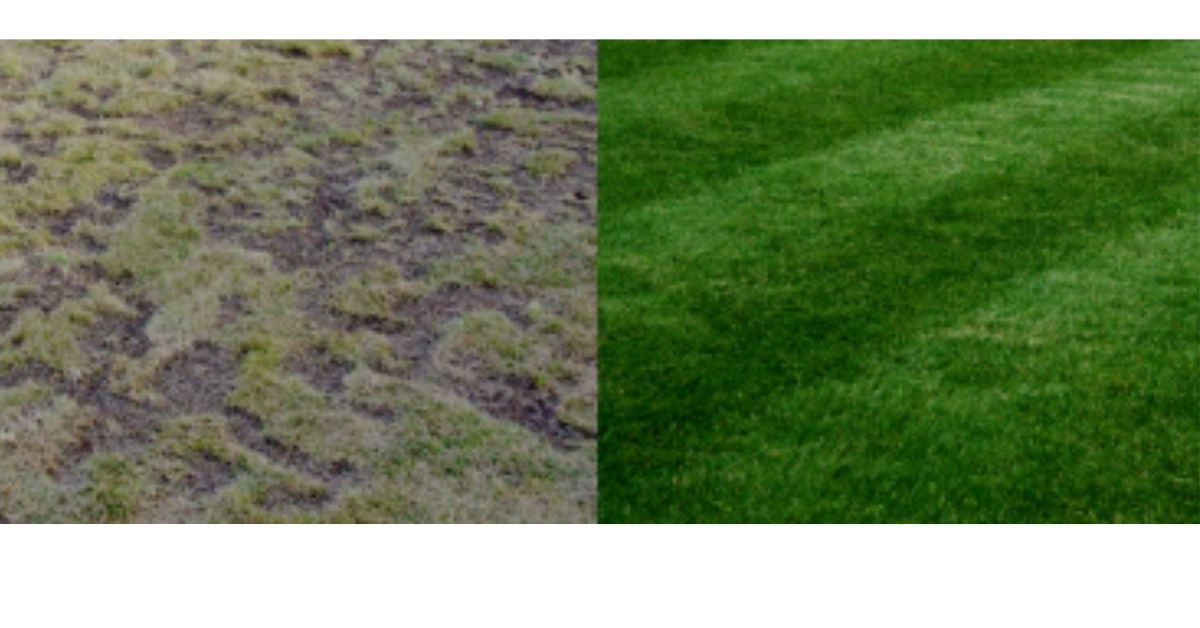
Homeowners across Gladstone and Liberty often start researching aeration in late summer, right as compacted soil and thinning turf become impossible to ignore before the fall growing window arrives. Some of those homeowners come across the term "liquid aeration" and want to know how it stacks up against the core aeration method most lawn care companies actually use on the ground.
Lawnscape Specialists has spent years working on lawns throughout the Kansas City metro, and this guide breaks down why compacted soil needs attention, how our core aeration process works from start to finish, and where liquid aeration fits into that conversation. It also covers fescue-based overseeding for Liberty, MO lawns and the verticutting step that helps new seed take root.
By the end, you should have a clear picture of which aeration approach makes sense for your yard this season.
Quick Answers
Core aeration uses specialized equipment that physically pulls small cores of soil from the lawn to relieve compaction, while liquid aeration relies on a soil-conditioning product applied to the surface. Homeowners comparing the two should talk with a lawn care provider about which method matches their soil type and goals, since the two approaches work in different ways.
Compacted soil blocks air, water, and nutrients from reaching grass roots, which weakens turf over time and makes it harder for the lawn to handle summer heat. Loosening that soil is one of the main reasons core aeration is recommended in this region.
Overseeding works best when it follows aeration, since freshly opened soil gives grass seed better contact with the ground. Our team can walk you through timing that fits your lawn's current condition and the season ahead.
Why Compacted Soil Is a Problem for Kansas City Metro Lawns
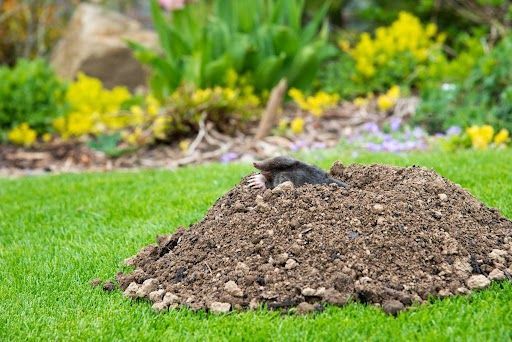
Soil compaction happens gradually, through foot traffic, mowing, pets, and the natural settling that occurs over years, and it quietly chokes off what a lawn needs most.
- Compacted soil reduces the space between soil particles, which limits how much air can reach grass roots.
- Water tends to pool or run off compacted areas instead of soaking down to where roots can use it.
- Grass growing in compacted soil often looks thin, pale, or stressed even when it receives regular watering and mowing.
- Heavily trafficked areas near sidewalks, driveways, and play spaces are usually the first spots to show visible compaction damage.
How Core Aeration Works and Why We Recommend It
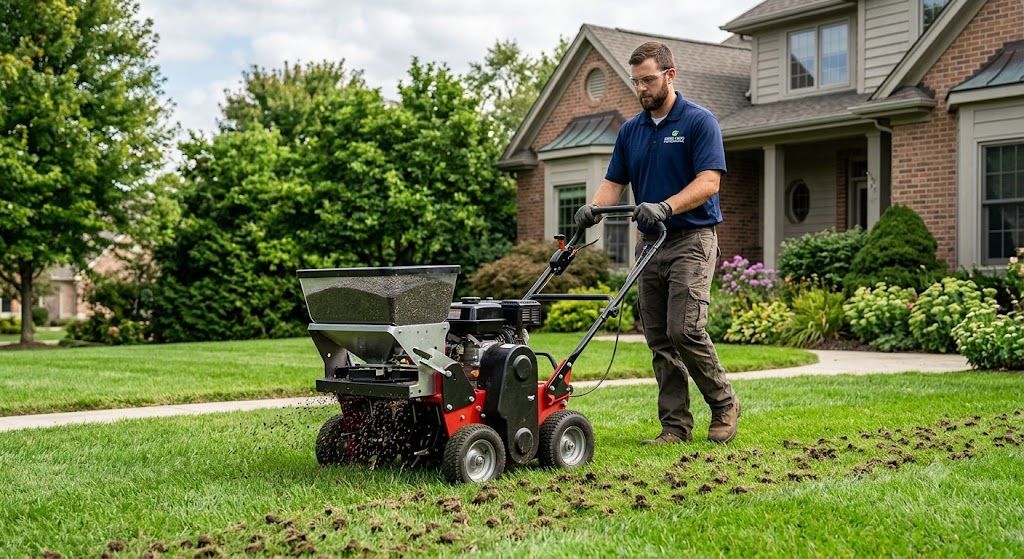
Core aeration is the aeration method our team performs, and it addresses compaction directly rather than treating it from the surface alone.
- Specialized equipment pulls small cores of soil out of the lawn, creating open channels through the compacted layer.
- Those channels allow air, water, and nutrients to move down into the root zone instead of staying trapped near the surface.
- Removing actual soil plugs, rather than just poking holes, prevents the surrounding soil from simply re-compacting around the opening.
- The best scheduling window for aeration in this region typically lines up with the cooler, wetter stretch of early fall, which supports faster recovery.
Liquid Aeration as an Alternative: What Homeowners Should Know
Liquid aeration comes up often enough in homeowner research that it is worth addressing directly, even though it works on a different principle than the method we use.
- Liquid aeration products are designed to be applied to the lawn surface and are marketed as a way to loosen soil without physically removing material.
- Core aeration physically extracts soil, which creates measurable open space in the ground rather than relying on a product to condition the existing soil structure.
- If you are comparing liquid aeration to core aeration, it helps to think about your soil type, how compacted your lawn currently is, and how quickly you want to see results.
- Our team can walk you through which aeration approach fits your lawn, and for most compacted lawns in Gladstone, core aeration remains the more established option based on how it physically changes the soil.
Overseeding Liberty, MO Lawns with Fescue-Based Seed Blends
Once soil is opened up through aeration, overseeding gives thinning lawns a real chance to fill back in with grass suited to this climate.
- The Kansas City area sits in the transition zone of the United States, where turf-type tall fescue is the grass type most commonly recommended for heat and drought tolerance.
- Our overseeding service uses university-tested, specially formulated seed that produces heat and drought-tolerant grass without weed contamination.
- Fescue-based blends handle the swing between hot, dry Missouri summers and cold winters better than many other grass types common in this area.
- Liberty, MO homeowners dealing with thin or patchy lawns often see the most improvement when overseeding follows aeration in the same season.
- You can review the details of our seeding approach and other turf services on our lawn care page before scheduling.
How Verticutting Supports a Successful Overseeding Program
Verticutting is a step that pairs naturally with overseeding, and it addresses a problem that aeration alone does not fully solve.
- Verticutting makes shallow vertical cuts into the soil, which helps create better seed-to-soil contact ahead of overseeding.
- Grass seed that lands on a thatch layer or hard surface often fails to germinate, while seed that reaches open soil through verticutting has a much better chance.
- This step is particularly useful on lawns with thicker thatch buildup or areas where grass has thinned unevenly across the yard.
- Combining verticutting with core aeration and overseeding in the same visit gives new fescue seed the best possible start heading into fall.
Planning Your Aeration and Overseeding Schedule in Gladstone and Liberty
Timing matters as much as the individual services themselves, and late summer into early fall is when this work delivers the most value.
- Scheduling core aeration and overseeding together in late summer or early fall takes advantage of cooler temperatures and more consistent rainfall.
- New customers can take advantage of a 50 percent discount on their first application, which makes this a practical time to try aeration and overseeding together.
- Homeowners who pay in advance for all services for the season can also receive an additional 5 percent discount.
- Our about us page shares more about how our team approaches lawn care across the Kansas City metro, including Gladstone and Liberty, MO.
Quick Summary
Compacted soil is one of the most common issues facing lawns in Gladstone and Liberty, MO, blocking the air, water, and nutrients grass roots need to stay healthy through the year. Lawnscape Specialists addresses this with core aeration, which uses specialized equipment to physically pull small cores of soil from the lawn, opening the ground in a way that surface products alone do not replicate.
Homeowners researching liquid aeration as an alternative should compare how each method actually works before deciding, and our team is available to walk through which approach fits a specific lawn. Pairing aeration with fescue-based overseeding and verticutting gives Liberty, MO lawns the best shot at recovering thin or patchy areas before winter, especially with the seasonal discounts currently available.
Key Takeaways
- Compacted soil blocks air, water, and nutrients from reaching grass roots, weakening lawns across the Kansas City metro over time.
- Lawnscape Specialists' confirmed aeration method is core aeration, which uses specialized equipment to physically pull small cores of soil from the lawn.
- Liquid aeration works differently, relying on a surface-applied product rather than physical soil removal, and homeowners should compare the two before choosing.
- The Kansas City area sits in the transition zone, where turf-type tall fescue is the grass most commonly recommended for heat and drought tolerance.
- Our overseeding service uses university-tested, specially formulated seed that produces heat and drought-tolerant grass without weed contamination.
- Verticutting creates shallow vertical cuts that improve seed-to-soil contact and support stronger germination ahead of overseeding.
- New customers can receive 50 percent off their first application, with an additional 5 percent discount available for advance seasonal payment.