Why Pest Problems Escalate Quickly When Preventive Treatments Are Skipped

Pest problems often grow fast when preventive treatments are skipped. Many insects reproduce quickly and spread through lawns, soil, and nearby landscaping before visible damage appears. In the Kansas City metro area, seasonal weather patterns create ideal conditions for pests to multiply, which means early prevention plays a major role in protecting healthy lawns.
Preventive pest care
helps stop infestations before they grow into larger problems that require extensive treatment. Homeowners who delay these services often notice sudden lawn damage, increased insect activity, and higher repair costs later in the season. Understanding why pest problems escalate so quickly can help property owners protect their landscapes more effectively.
Why Do Pest Problems Grow So Quickly Without Preventive Treatments?
Pest populations increase quickly because most insects reproduce at high rates and remain hidden during early stages of growth. Preventive treatments interrupt their life cycles before they multiply and spread across lawns and garden beds. When these treatments are skipped, pests continue reproducing without interruption.
Insects such as grubs, chinch bugs, and armyworms can develop in soil long before visible lawn damage appears. By the time brown patches or thinning turf become noticeable, the population may already be large enough to require more aggressive solutions. In areas like Kansas City, where warm temperatures support rapid insect development, early treatment helps control populations before they reach damaging levels.
What Happens Beneath the Lawn When Pests Go Untreated?
Many destructive lawn pests spend a large portion of their life cycle underground. Preventive treatments target these insects during vulnerable stages, often before they surface or begin feeding heavily on grass roots.
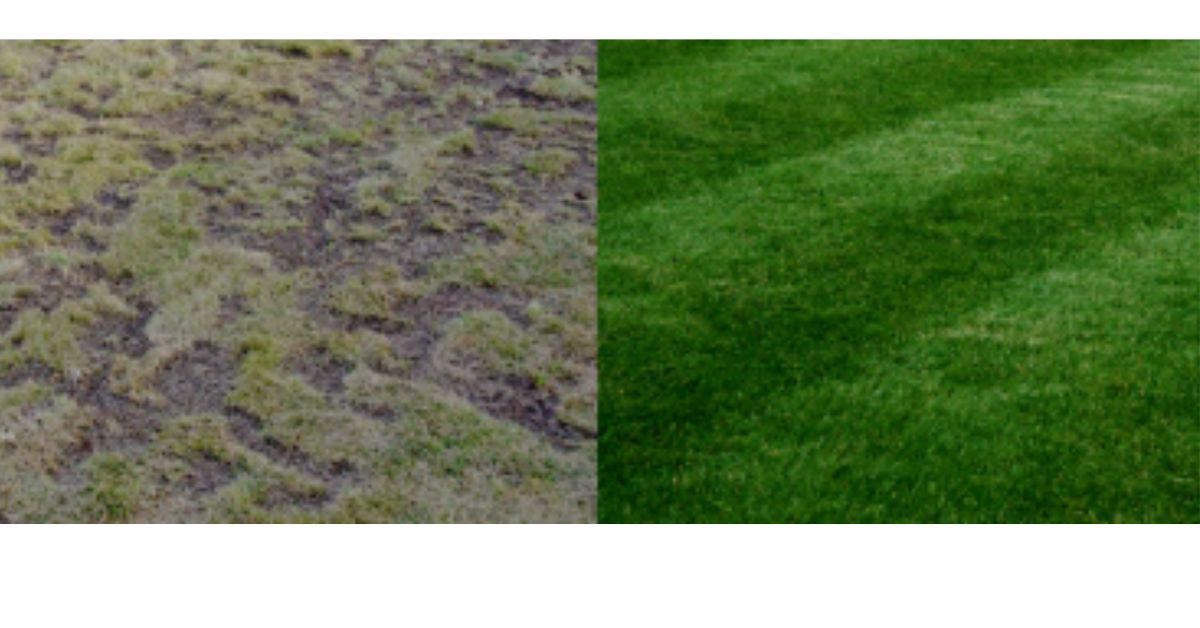
Grubs are a clear example. These larvae feed on turf roots beneath the soil surface, weakening grass plants and causing large sections of turf to lift easily from the ground. Without preventive applications, these pests remain undetected until significant damage occurs.
Soil-dwelling insects also attract secondary problems. Birds, raccoons, and skunks may dig through lawns searching for grubs and larvae, creating additional damage beyond what the pests cause themselves. Early pest control helps prevent this chain reaction.
Why Seasonal Timing Matters for Lawn Pest Prevention
Preventive pest treatments are most effective when applied at the correct time in the insect life cycle. Many lawn pests follow predictable seasonal patterns based on temperature and soil conditions. Missing these windows allows pest populations to establish themselves before treatments begin.
For example, grub prevention typically works best when applied before eggs hatch and larvae begin feeding on turf roots. Once grubs mature, treatments become less effective, and lawns may already show damage.
Kansas City homeowners benefit from pest programs that follow local seasonal patterns. Professionals monitor weather conditions and pest activity to determine when treatments should be applied for the best results.
Early Pest Activity Often Goes Unnoticed by Homeowners
Most pest problems start quietly. Early signs are subtle and easy to overlook without routine monitoring or professional inspection. Preventive services help identify early activity before it spreads.
Some early indicators include slight discoloration in grass blades, uneven turf growth, or increased insect presence near soil surfaces. These warning signs often appear weeks before visible lawn damage develops.
Regular preventive care allows lawn care professionals to detect these early signals and apply targeted treatments before infestations expand. This proactive approach protects lawns while reducing the need for heavier pesticide use later.
Why Small Pest Populations Become Major Infestations
A small pest population can expand rapidly when conditions support reproduction. Many lawn insects lay dozens or even hundreds of eggs at once. Within a short period, a manageable issue can turn into widespread turf damage.
When preventive treatments are skipped, several insect generations may develop during a single growing season. Each new generation increases the population and the amount of plant material being consumed.
When preventive treatments are skipped, several insect generations may develop during a single growing season. Each new generation increases the population and the amount of plant material being consumed.
The Hidden Costs of Delaying Pest Control
Skipping preventive treatments may appear to save money in the short term, yet it often leads to larger expenses later. Once pests damage root systems, lawns may require reseeding, sod replacement, or soil repair.
Severely damaged turf struggles to recover even after pests are eliminated. Grass that loses a large portion of its root system may fail to regrow, leaving bare soil that encourages weed growth.
Property owners may also face increased irrigation needs, soil amendments, and multiple corrective treatments to restore lawn health. Preventive programs usually cost far less than repairing widespread turf damage.
How Preventive Treatments Protect Lawn Health
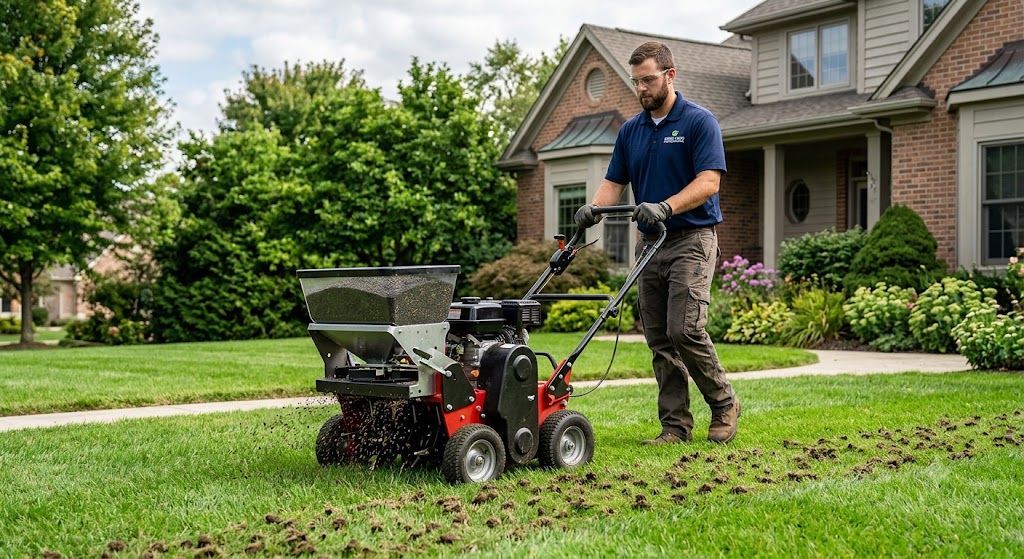
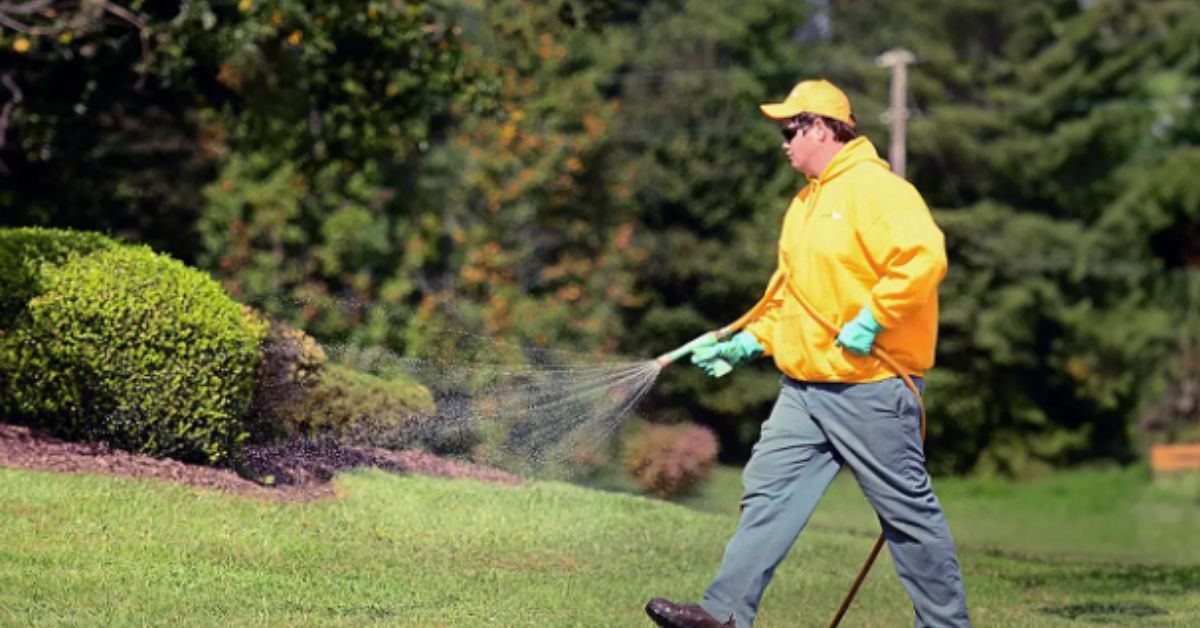
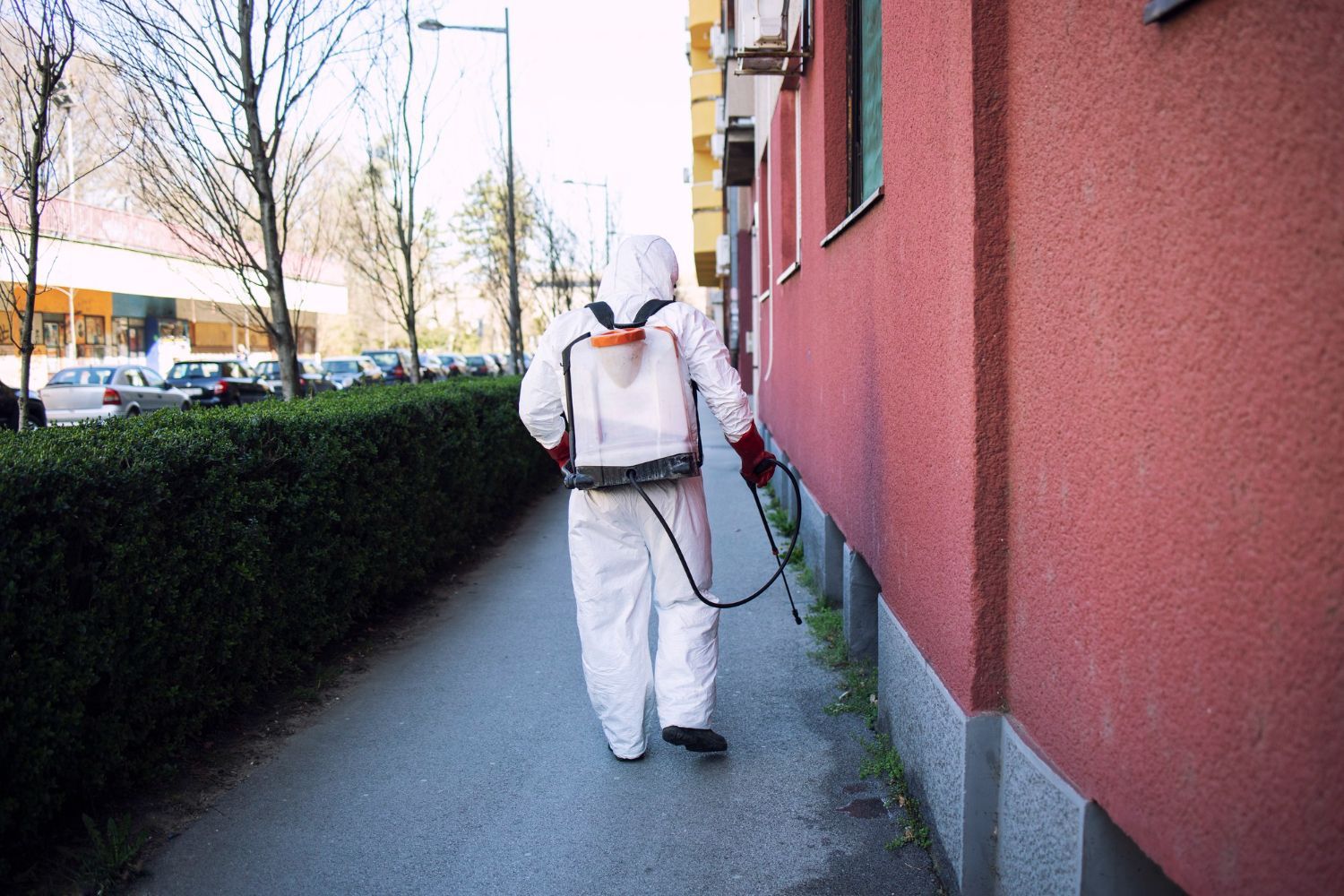
Preventive pest treatments focus on maintaining a balanced environment that discourages infestations before they begin. These treatments target insects at vulnerable stages while supporting healthy turf growth.
Healthy grass develops stronger root systems and thicker turf coverage. Dense lawns make it harder for pests to establish large populations because there is less exposed soil and fewer weak plants to attack.
Professional lawn care programs also combine pest control with fertilization, soil improvement, and monitoring. This integrated approach supports long-term lawn health while reducing pest pressure.
Why Professional Monitoring Improves Pest Prevention
Routine monitoring allows lawn care professionals to identify pest trends before they become visible problems. Experienced technicians recognize subtle changes in turf color, growth patterns, and soil conditions that signal early insect activity.
Professionals also track regional pest cycles and local climate patterns. In a region like Kansas City, where temperature swings and seasonal rainfall influence pest development, this knowledge helps determine the best treatment timing.
Preventive programs often include scheduled inspections throughout the growing season. These visits allow technicians to adjust treatments based on real conditions rather than waiting for damage to appear.
Prose Section: Long-Term Lawn Health Depends on Consistency
Healthy lawns rely on consistent care rather than occasional treatments. Preventive pest control works best as part of a regular lawn maintenance plan that includes fertilization, soil health management, and seasonal monitoring.
When treatments are skipped or applied irregularly, pest populations have an opportunity to rebuild. Even if infestations are controlled one season, the problem can return quickly without ongoing prevention.
Homeowners across the Kansas City metro area often see the strongest results when pest management remains consistent from early spring through late fall. A steady program keeps pest numbers low while helping grass recover quickly from environmental stress.
Prose Section: Local Conditions Influence Pest Activity
Pest pressure varies by region because climate, soil type, and surrounding vegetation affect insect populations. The Kansas City area experiences warm summers, periodic humidity, and moderate rainfall, all of which support active insect development.
Neighborhood landscapes also influence pest movement. Lawns connected to untreated areas, wooded edges, or heavily irrigated properties may experience higher insect activity. Preventive treatments create a protective barrier that helps manage these external pressures.
Understanding these local factors allows lawn care professionals to design treatment programs that respond to real conditions rather than relying on generic schedules.
Prose Section: Prevention Reduces the Need for Aggressive Treatments
Preventive pest control reduces the need for stronger corrective treatments later. When insects are controlled early, smaller product applications are usually sufficient to keep populations in check.
Large infestations often require repeated treatments and higher product volumes to bring pest levels down. This process can take several weeks and may temporarily stress the lawn while recovery begins.
Early prevention keeps pest populations low from the start, which helps maintain a healthier lawn while minimizing disruption to normal lawn care routines.
Prose Section: Prevention Supports Stronger Lawn Recovery
Lawns treated preventively often recover faster from seasonal stress such as drought, heat, or heavy foot traffic. Strong root systems allow grass plants to bounce back quickly after challenging conditions.
Pest-damaged lawns struggle during these same conditions because weakened roots cannot absorb water and nutrients effectively. Grass plants become thinner and more vulnerable to weeds and disease.
Preventive pest programs protect root health, which helps lawns remain dense, green, and resilient throughout the growing season in Kansas City.
Frequently Asked Questions
Why do pest infestations appear suddenly in lawns?
Pests often develop underground or within dense turf before becoming visible. By the time damage appears on the surface, insects may already be present in large numbers. Preventive treatments stop these populations earlier in their life cycle.
How often should preventive pest treatments be applied?
Most lawn pest programs include several treatments spread across the growing season. Timing depends on the types of insects active in the region and local weather conditions. Lawn care professionals in the Kansas City metro area schedule treatments based on these seasonal patterns.
Can a lawn recover after severe pest damage?
Recovery depends on the extent of root damage. Mild infestations often recover with proper treatment and lawn care. Severe damage may require reseeding or sod replacement before turf density returns.
Are preventive pest treatments safe for lawns?
Professional lawn care providers apply products designed for turf environments and follow label guidelines for proper use. When applied correctly, these treatments protect lawns while reducing insect activity.
What pests are most common in Kansas City lawns?
Common lawn pests in the Kansas City region include white grubs, chinch bugs, armyworms, and sod webworms. Each of these insects feeds on grass or roots and can cause noticeable turf damage when populations grow unchecked.
Conclusion
Pest problems escalate quickly when preventive treatments are skipped because insects reproduce rapidly and often remain hidden during early stages of growth. Regular monitoring and early treatments help control these populations before lawns experience visible damage. For homeowners across the Kansas City metro area, consistent pest prevention protects turf health and reduces long-term repair costs.
If you want dependable lawn protection,
Lawnscape Specialists
provides professional pest prevention and lawn care services across the Kansas City metro area. Our team focuses on proactive treatments that help keep lawns healthy and protected throughout the growing season.
Get an estimate today.