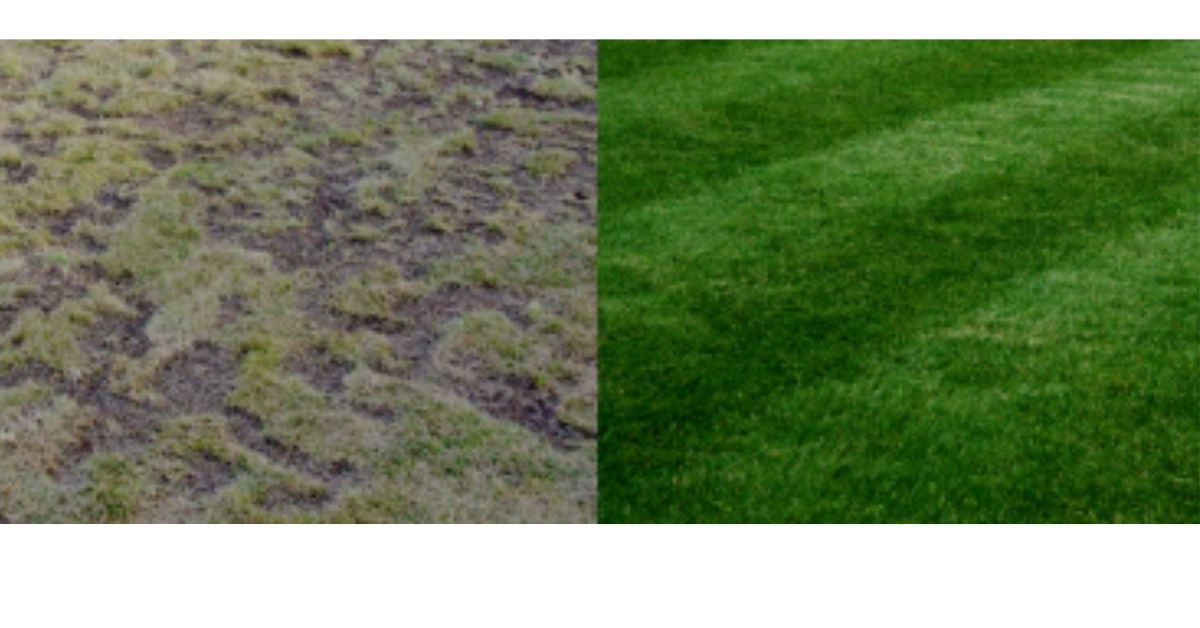
A healthy lawn in the Northland does not happen from one bag of fertilizer tossed down in April. It happens from a sequence of applications timed to what Missouri turf actually needs at each point in the growing season, from the first flush of spring growth through the freeze that ends the year.
Lawnscape Specialists built its lawn fertilization services around that timing, running a 6-step seasonal program for homeowners across Parkville and Platte Woods, MO. Below is a walkthrough of each step of that program, why the order and timing matter in this climate, and how new customers can try it at a reduced cost.
Every application builds on the one before it, which is the difference between a lawn that greens up and fades and one that holds its color and density through the year.
Quick Answers
What does the 6-step program include?
Six seasonal applications covering fertilization, crabgrass prevention, weed control, grub prevention, fall recovery, and winterizer treatment.
Why does fertilization timing matter in Parkville and Platte Woods, MO?
Each application is timed around Missouri's spring growth, summer heat, and winter dormancy to support healthier turf.
Are discounts available for new customers?
Yes. New customers get 50% off their first application, with an additional 5% discount for paying for the full season upfront.
Step One: Early Spring Slow-Release Fertilizer and Crabgrass Prevention
The first application of the year sets the tone for everything that follows, and it lands right as Northland lawns are waking up from winter dormancy. This step combines two jobs into one visit so the lawn gets fed and protected at the same time.
- A custom slow-release fertilizer feeds the lawn for up to 16 weeks, which stretches the nutrient supply well past a single quick green-up.
- The same visit includes a crabgrass prevention application, timed to stop crabgrass seed before it germinates.
- Slow-release feeding reduces the risk of a fast, weak flush of growth that leaves grass blades thin and prone to disease.
- Getting this step in early is what allows the rest of the season's program to build on strong root development instead of playing catch-up.
Step Two: Late Spring Weed Treatment and Second Crabgrass Application
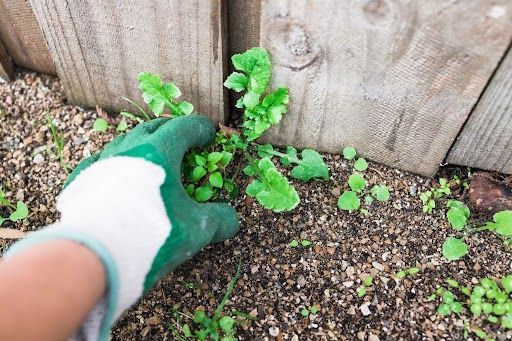
By late spring, dandelions are usually the most visible problem in a Parkville or Platte Woods yard, and crabgrass pressure is still building as soil temperatures climb. This step addresses both without asking the homeowner to schedule a separate visit.
- A weed treatment targets dandelions directly, since a single spring application rarely eliminates a full season of germination.
- A second crabgrass prevention application reinforces the barrier laid down in early spring, covering the extended window when crabgrass seed can still sprout.
- Treating weeds in late spring keeps them from competing with turfgrass for water and nutrients heading into the hotter months.
- This step is one of the clearest examples of why a sequenced program outperforms a single early treat-and-forget visit.
Step Three: Summer Fertilizer and Year-Long Grub Prevention
Summer heat and humidity in the Kansas City metro put real stress on turf, and this step is built to carry the lawn through that stretch while also protecting the root zone below the surface.
- A slow-release fertilizer application feeds the lawn through the hottest part of the year without forcing a burst of tender growth that heat can quickly damage.
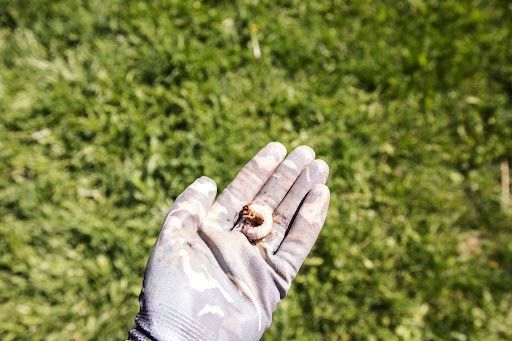
- This visit also includes a grub prevention treatment that protects the lawn for a full year, not just through summer.
- Grub prevention applied at this point in the season protects root systems before grub activity typically becomes visible in turf.
- Homeowners can review the full scope of this seasonal work on the lawn care page, which outlines how each visit fits into the yearly plan.
Step Four: Late Summer Nutsedge and General Weed Cleanup
Late summer is when nutsedge and other stubborn weeds tend to show up in Missouri lawns, often in low or moist spots that held onto extra water through the season. This step is a cleanup pass rather than a full feeding, keeping the lawn presentable heading into fall.
- Nutsedge treatment targets a weed that spreads by underground tubers and is notoriously difficult to control with a single application.
- General weed cleanup at this stage catches anything that pushed through earlier in the season.
- Addressing weed pressure in late summer keeps turf density intact so grass can recover fully once cooler fall weather arrives.
- This step keeps the lawn looking clean through the last weeks of summer heat rather than letting late-season weeds go unchecked until fall.
Step Five: Fall Recovery Fertilizer Application
Fall is when Missouri lawns get the chance to repair whatever stress they carried through summer, and this application is built specifically for that recovery window.
- A recovery fertilizer feeds the lawn as it shifts energy from leaf growth back into its root system.
- This step helps thicken turf density heading into the colder months, which matters for how the lawn looks the following spring.
- Cooler fall temperatures and typically more consistent rainfall make this one of the most effective feeding windows of the entire program.
- Homeowners who want a broader picture of the company's approach and service history can visit the about us page.
Step Six: Winterizer Application for Spring Greenup
The final visit of the season is the winterizer, and it is arguably the step most homeowners underestimate because its payoff does not show up until months later.
- A winterizer application feeds the lawn's root system heading into winter dormancy.
- This step is what supports a faster, fuller greenup once spring temperatures return.
- Skipping the winterizer is one of the most common reasons a lawn greens up slowly or unevenly the following spring.
- Homeowners in Parkville and Platte Woods, MO who want to lock in the full 6-step program for the coming year can reach the team through the contact page to get started.
Quick Summary
Lawnscape Specialists runs a 6-step seasonal fertilization program for homeowners in Parkville and Platte Woods, MO, moving from an early spring slow-release feeding and crabgrass prevention through late spring weed treatment, a summer feeding paired with year-long grub prevention, a late summer nutsedge cleanup, a fall recovery application, and a winterizer that sets up spring greenup.
Each step is timed to what Missouri turf needs at that point in the year, which is why the program works as a sequence rather than a single visit. New customers can try the program at 50 percent off their first application, and paying for the full season in advance adds another 5 percent in savings. Homeowners can review the full lawn care approach or reach the team directly to get a season started.
Key Takeaways
- The early spring application uses a custom slow-release fertilizer that feeds the lawn for up to 16 weeks, plus a first crabgrass prevention treatment.
- The late spring visit targets dandelions with a weed treatment and reinforces protection with a second crabgrass prevention application.
- The summer step combines a slow-release fertilizer application with a grub prevention treatment that protects the lawn for a full year.
- Late summer service focuses on nutsedge and general weed cleanup to keep turf clean heading into fall.
- The fall recovery fertilizer application helps the lawn rebuild root strength after the stress of summer.
- The winterizer application feeds the root system before dormancy and supports faster, fuller greenup the following spring.
- New customers save 50 percent on their first application, and paying for the full season in advance adds a further 5 percent discount.
Frequently Asked Questions
The program includes an early spring slow-release fertilizer application with crabgrass prevention, a late spring dandelion weed treatment with a second crabgrass application, a summer slow-release fertilizer application with year-long grub prevention, a late summer nutsedge and general weed cleanup, a fall recovery fertilizer application, and a winterizer application for spring greenup.
The custom slow-release fertilizer used in the early spring application feeds the lawn for up to 16 weeks.
Yes, the summer visit pairs a slow-release fertilizer application with a grub prevention treatment that protects the lawn for a full year.
Yes, new customers receive 50 percent off their first application.
Yes, customers who pay in advance for all services in the season receive an additional 5 percent discount on top of any other applicable offers.