Why Fall and Winterizer Fertilization Matter Most

The last two fertilizer applications of the year do more for your lawn than any other feeding. The fall application helps grass recover from summer stress and grow thicker. The winterizer stores food in the roots, so the lawn stays green longer and greens up faster in spring. Skip them, and your lawn starts next year weak, thin, and behind.
Many homeowners put their biggest effort into spring, when everyone else is thinking about their yards. Cool-season grass runs on a different calendar. The weeks after summer heat breaks are when it does its most important work below the soil, and feeding it at the right moments during that stretch pays off for months.
What Happens to Your Grass Between September and December?
Your grass shifts its energy from leaves to roots in fall. Cooler air slows top growth, but the soil stays warm long enough for roots to keep spreading and storing food. This is the grass building its reserves for winter and spring.
Most lawns in the Kansas City area are tall fescue or a mix of fescue and Kentucky bluegrass. These cool-season grasses struggle through July and August. Heat, drought, and humid nights wear them down, and many lawns come out of summer thin, pale, or dotted with brown spots.
Once nights cool in September, the grass starts to bounce back. New shoots, called tillers, form at the base of existing plants and begin to fill in the gaps. Roots push deeper. As fall goes on, the blades grow more slowly while the roots keep working. Roots can keep growing until the soil gets close to freezing, which is often weeks after the grass above ground looks like it has stopped.
During this time, the plant turns sunlight into sugars and packs them away in its roots and crowns. Think of a bear eating before hibernation. Whatever the grass stores now is what it lives on through winter and what it uses to push out new growth in March and April. A lawn that goes into winter with a full pantry comes out stronger. A lawn that goes in hungry spends spring trying to catch up.
What Does the Fall Application Do for Your Lawn?
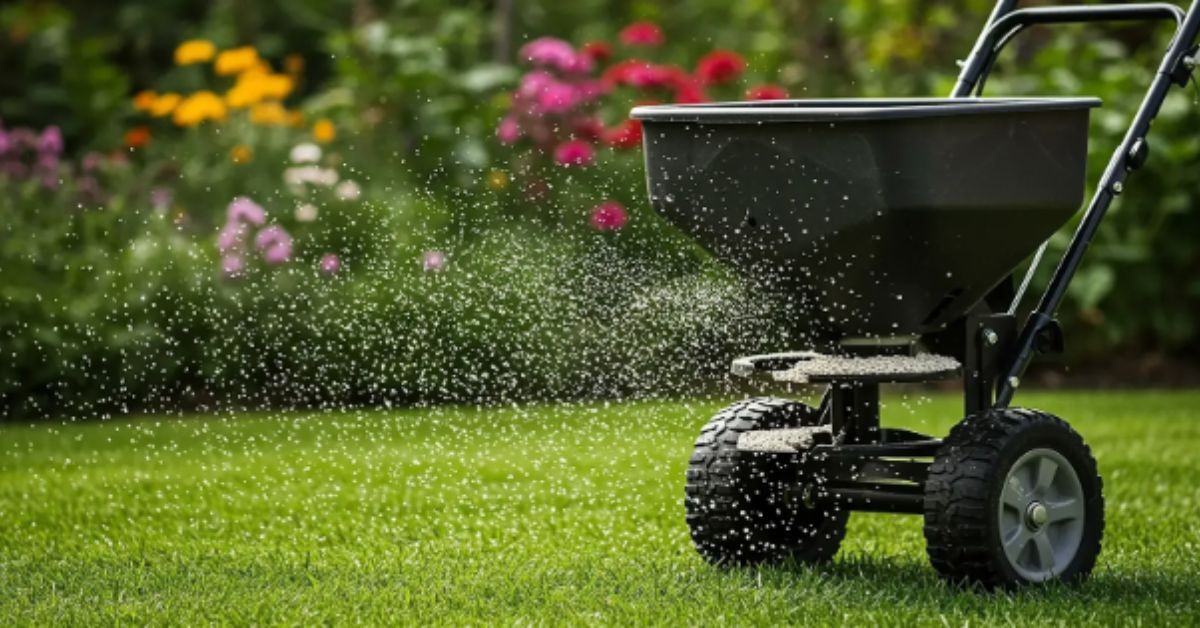
The fall application is Step 5 of the 6-Step Lawn Care Program, and it feeds grass right as it begins recovering from summer. It gives the plant the nutrients it needs to repair damage, form new shoots, and thicken up before winter. Think of it as the recovery meal after the hardest season of the year.
Summer stress burns through a lot of the grass plant's stored food. Nitrogen in the soil also runs low after months of growth and watering. Feeding in early fall puts those nutrients back at a time when the grass can put them to good use.
The fall application has three main jobs:
- Repair summer damage. Thin areas and weak spots from heat and drought need fuel to fill back in. Fertilizer helps the grass push out new tillers that close those gaps.
- Build density. A thick lawn crowds out weeds on its own. Every new shoot formed in fall is space that crabgrass and dandelions can't claim next year.
- Support new seed. If a lawn is overseeded in fall, the young grass needs nutrients to set roots before the cold arrives. Seedlings without enough food often fail over winter.
Timing matters with this step. Feed too early, while it's still hot, and you push leaf growth that stressed grass can't support, which can invite disease. Feed once temperatures ease and the grass starts growing again, and the nutrients go straight into recovery.
What Does the Winterizer Do?
The winterizer is the final feeding of the year, applied in late fall after top growth has slowed but before the ground freezes. It keeps the lawn greener into winter and gives the roots a store of food to draw on. That stored energy helps the lawn green up quickly and come back healthier in spring.
The name confuses some people. A winterizer doesn't shield grass from snow or cold like a blanket. It's still fertilization, just timed for a point in the season when the plant uses nutrients differently. With the blades barely growing, the grass sends most of what it takes in down to the roots and crowns instead of into new leaves.
That's why a late fall feeding can seem odd at first. The yard may look like it's winding down. Leaves are falling, frost shows up on some mornings, and the grass isn't growing much. Below the surface, the roots are still active and still taking in nutrients. The winterizer is timed to make the most of that quiet window.
Homeowners who get a winterizer often notice two things. The lawn holds its color longer into late fall and early winter instead of fading to tan right away. And in spring, the lawn wakes up earlier and fills out faster, without the slow, patchy start that hungry lawns often have.
Why Do the Last Two Steps Matter More Than Spring Feedings?
Fall feedings build roots, while spring feedings mostly push leaves. Strong roots are what carry a cool-season lawn through heat and drought the following summer. A lawn fed well in fall needs less help in spring and holds up better when conditions get tough.
This runs against what many people expect. Spring is when lawns look like they need help most, and it's when store shelves fill up with fertilizer bags. Spring feeding still has a place in a full program, and the early spring step does real work with crabgrass prevention and slow-release feeding. The trouble starts when spring feeding is asked to make up for a missed fall.
Grass that goes into winter without enough stored food leans on spring fertilizer to get going. Heavy spring nitrogen produces a burst of soft, lush leaf growth. That looks nice for a few weeks, but it comes at the cost of root growth. The plant spends its energy on blades instead of building the deep roots it will need in July.
Then summer arrives. Summers here bring long stretches in the 90s, high humidity, and dry spells. Shallow-rooted grass can't reach deeper moisture, so it browns faster and recovers more slowly. Soft, overfed leaf growth is also more prone to lawn diseases like brown patch, which thrives in hot, humid weather.
A lawn that was fed properly in fall starts spring with deep roots and full reserves. It greens up on its own stored energy and handles a moderate spring feeding without growing too fast. When the heat hits, it has the roots to cope. Fall lawn fertilization in Kansas City sets up the whole next year, and that's why the last two steps carry so much weight.
How Does Northland Clay Soil Affect Fall Feeding?
Clay soil holds nutrients well but packs down tightly, which makes it hard for roots, air, and water to move through it. That compaction can keep fall fertilizer from reaching the root zone where it's needed. Loosening the soil before or alongside fall feeding helps the nutrients do their job.
A lot of local soil is heavy clay. When clay is wet, it's sticky and slow to drain. When it's dry, it can bake nearly as hard as brick. Neither condition is friendly to grass roots, and after a summer of foot traffic, kids playing, and dry weather, the top few inches of a clay lawn are often tightly packed.
Compacted soil sets off a chain of problems for fall fertilization. Water from rain or sprinklers runs off instead of soaking in, and it can carry fertilizer with it. Roots stay shallow because they can't push through dense soil. Oxygen runs low in the root zone, and roots need oxygen to take up nutrients. You can put down a great fertilizer and still see a weak response if the soil is locked up.
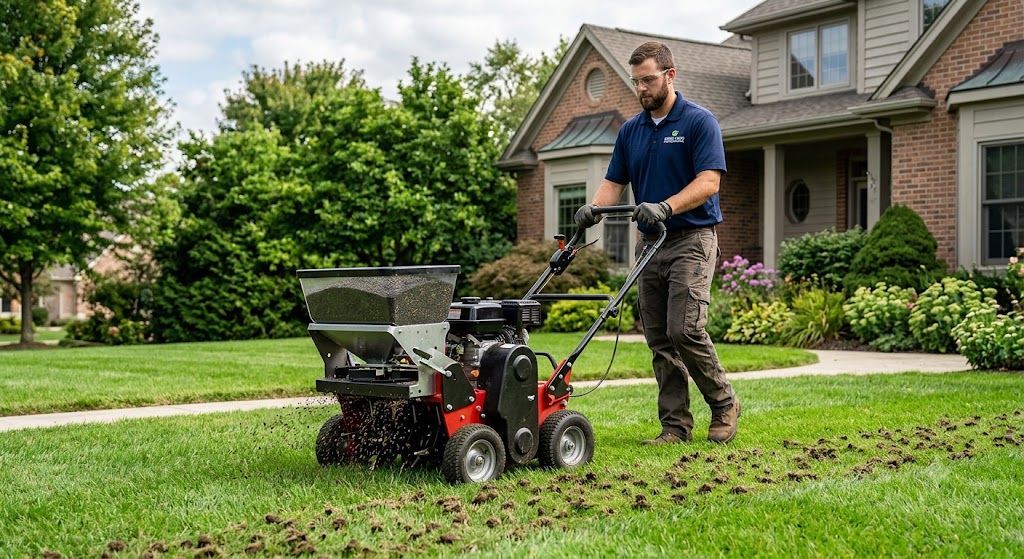
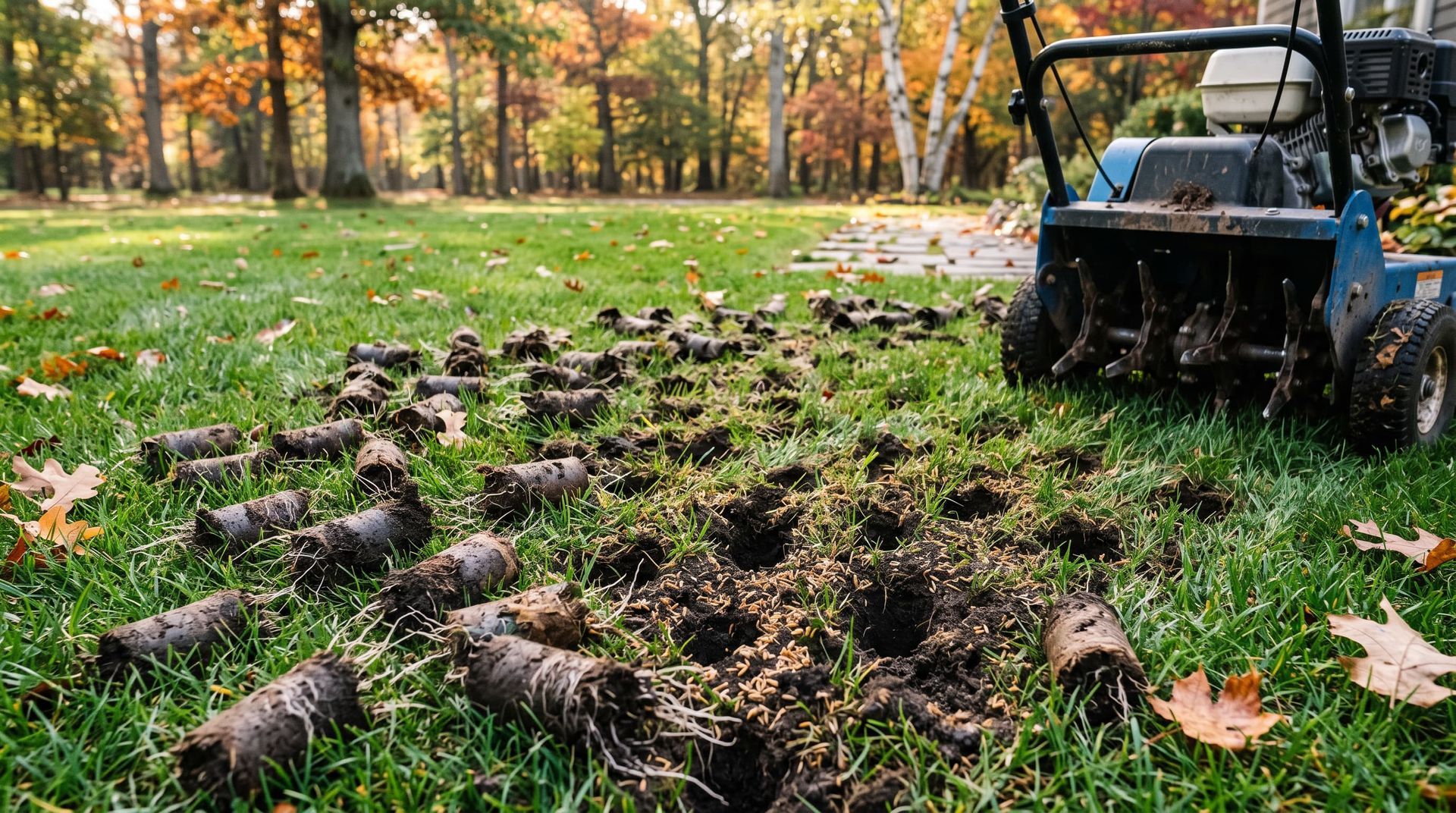
Core aeration is the most direct fix. It pulls small plugs of soil out of the lawn and opens channels for air, water, and nutrients to reach the roots. Fall is an ideal time for it because the grass is actively growing and heals quickly from the process. Pairing core aeration with the fall application gives the fertilizer an easy path into the soil and gives new roots room to spread. For lawns with thin areas, adding overseeding at the same time makes the most of that freshly opened soil.
What Timing Mistakes Waste Fall Fertilizer?
The most common mistakes are feeding too early in the heat, feeding too late on frozen ground, and spreading fertilizer where it can't reach the soil. Each one wastes product, and some can harm the lawn or send fertilizer into storm drains. Getting the timing and placement right matters as much as the fertilizer itself.
Here are the pitfalls that catch homeowners most often:
- Feeding while summer heat lingers. A warm September week can tempt people to get started early. Fertilizing grass that's still heat-stressed forces growth it can't support and raises the risk of disease.
- Waiting until the ground is frozen. Fertilizer spread on frozen soil can't soak in. Snowmelt and winter rain wash it off the surface instead of feeding your lawn.
- Spreading over a layer of leaves. Fallen leaves catch fertilizer granules and keep them from reaching the soil. The product breaks down on top of the leaves or gets raked away with them.
- Leaving granules on hard surfaces. Fertilizer that lands on driveways, sidewalks, and patios washes into gutters with the next rain, and it can stain concrete. Any product on hard surfaces should be swept back into the grass after spreading.
- Doing only one of the two steps. Some people skip the fall application and just put down a winterizer, or the other way around. The two work as a pair. One repairs and thickens, and the other stocks up the roots, so missing either leaves a gap.
- Using one heavy dose instead of two measured ones. Dumping extra fertilizer to "catch up" in fall can burn grass and waste nutrients the plant can't absorb all at once.
Rain plays a part too. A light rain after fertilizing helps move granules into the soil. A heavy downpour right after an application can wash product away before it has a chance to work.
How Can You Help Your Lawn Get the Most From Steps 5 and 6?
You can help fall fertilizer work better by keeping leaves cleared, watering during dry spells, and limiting heavy traffic on the lawn. Small habits between applications make a real difference in how well the grass takes in nutrients. The goal is to keep the soil surface open and the grass active.
A few simple habits go a long way:
- Clear leaves often. Rake or blow leaves off the lawn every week or so during peak leaf drop. A thick, wet leaf layer blocks sunlight, traps moisture, and can smother grass and invite disease.
- Water during dry fall weeks. Fall can be surprisingly dry. If a week or two passes without meaningful rain, a deep watering helps the grass keep growing and taking in nutrients.
- Stay off frosty grass. Frozen blades snap under foot traffic and leave footprint-shaped damage behind. Keep walking to a minimum on frosty mornings.
- Don't leave things sitting on the lawn. Leaf piles, firewood, kiddie pools, or play equipment left in one spot for weeks can kill the grass underneath.
- Keep the whole yard easy to reach. A backyard that can't be reached on service day can't be treated. Clear access means every part of the lawn gets fed on time.
- Watch for problem spots. Notice areas that stay wet, stay thin, or look different from the rest of the lawn. Those details help your lawn care technician adjust future treatments.
What If Your Lawn Is Thin or Patchy Heading Into Fall?
A thin lawn heading into fall is a good candidate for overseeding paired with the fall application. Fescue doesn't spread out to fill in bare areas on its own, so new seed is the only real way to thicken it. Fall feeding then gives those seedlings the nutrients they need to survive their first winter.
Many homeowners hope fertilizer alone will fill in bare spots. It does help existing grass form new tillers, but tall fescue grows in clumps. It doesn't send out runners the way some warm-season grasses do, so a bare patch stays bare unless seed goes down.
Fall is the best time of year to seed cool-season grass. The soil is still warm, which speeds up sprouting, while the cooler air is easier on young plants. Weed pressure is also lower than in spring, so seedlings face less competition. New grass that sprouts in early fall has several weeks to grow roots before winter settles in.
Seed quality matters more than most people realize. Cheap seed can contain weed seeds and grass types that don't handle hot, dry summers in this region. University-tested seed blends made for local conditions grow dark green grass that holds up to heat and drought. Combined with core aeration, which creates pockets for seed to settle into, and a well-timed fall feeding, overseeding can turn a tired lawn around in a single season. The winterizer then helps those young plants store enough food to make it through their first cold months.
Why Does Professional Timing Make a Difference?
Professional crews track soil conditions, weather, and grass growth to apply each step at the right moment for your lawn. They also adjust the approach to fit your yard's specific conditions. That kind of precision is hard to match with a bag from the store and a guess at the calendar.
Fall feeding windows are narrower than many people think. The fall application needs to land after summer stress eases but early enough for the grass to use it before growth slows. The winterizer needs to go down after top growth stops but before the soil freezes. Weather can shift those windows by weeks from one year to the next.
Every lawn is different, too. A shady yard with drainage problems needs different care than an open, sunny lot. Slopes, soil type, grass variety, and past problems all shape what the lawn needs and when. The 6-Step program is custom-built for each property, so the fall and winterizer steps fit what your lawn is actually dealing with instead of following a one-size-fits-all schedule. Every application uses certified products and is handled by licensed, insured professionals.
Experience counts here as well. A crew that has worked on local lawns for years knows how clay behaves after a wet fall, which spots tend to struggle, and when a warm spell means waiting another week. The lawn care specialists on our team bring a combined 100 years of experience to that work. The trusted lawn care experts page goes into more detail on how that local know-how shapes each lawn care plan.
What Results Should You Expect Next Spring?
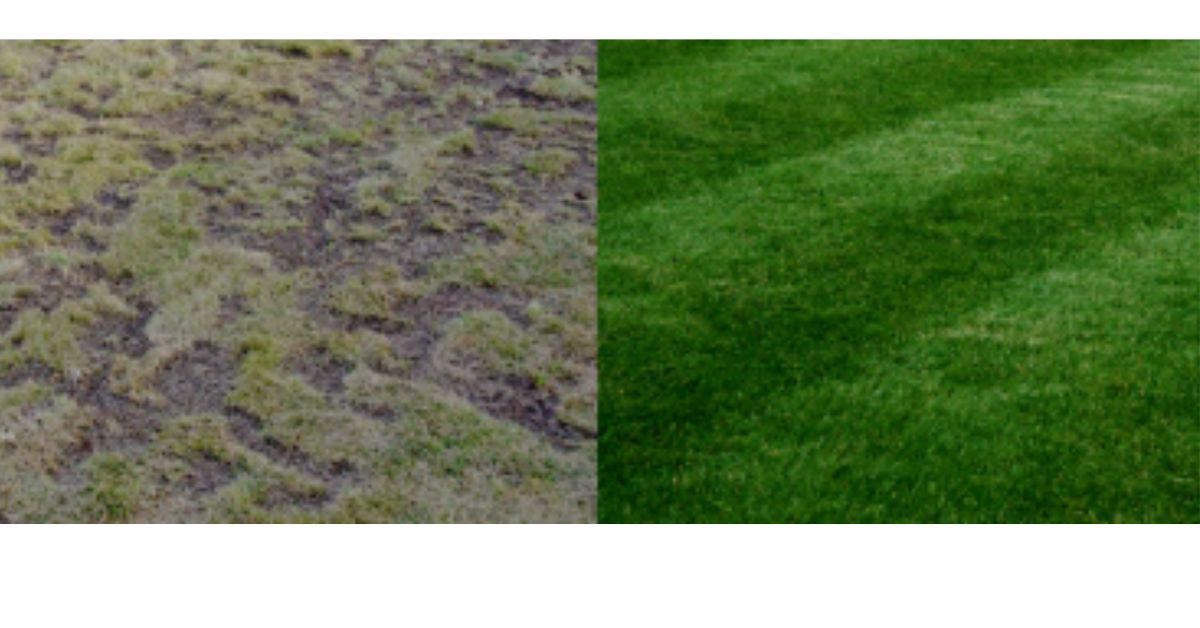
A lawn that gets both fall steps usually greens up earlier in spring and fills in faster than one that didn't. It tends to have deeper roots, fewer thin spots, and less open ground for early weeds. The payoff shows up months after the work is done.
The first sign often comes in late fall itself, when a fed lawn keeps its color while unfed lawns nearby fade. Through winter, the grass stays dormant but holds on to its stored energy. When the soil warms in March, that stored food fuels quick new growth.
By April and May, the difference is easy to spot. Well-fed lawns look thick and even, and weed seeds find fewer bare patches to sprout in. Heading into summer, the deeper roots built the previous fall help the grass hold up through heat and dry weeks, and it bounces back faster when the weather breaks.
The benefits also stack up over time. Each year of steady fall feeding builds on the last. Roots grow deeper, the turf grows denser, and the lawn becomes tougher with less effort. Steps 5 and 6 are where next year's lawn really begins.
Frequently Asked Questions
These are the questions homeowners ask most often about fall and winterizer feedings. Each answer below covers what to expect and how to get the best results from these last two steps.
Is it too late to fertilize my lawn in October?
No, October is usually right on time. For many lawns, October falls inside the window for the fall application, and the winterizer typically follows later in the season. The key is feeding while the grass is still active and before the ground freezes.
Does a winterizer work if my grass has already started turning brown?
It depends on why the grass is brown. Grass that has faded from cold but still has living roots can still benefit, as long as the soil isn't frozen. A lawn that browned from drought, grubs, or disease earlier in the year may need other care first, so it's worth having the cause checked.
Should I water after fall fertilizer is applied?
A light watering or gentle rain helps move granular fertilizer down into the soil. If rain is expected within a day or two, extra watering usually isn't needed. Avoid heavy watering right after an application, and follow any instructions left after service, since some treatments need time to dry. The lawn care FAQs cover more service-day questions like this one.
Can I overseed and fertilize at the same time in fall?
Yes, and the two work well together. New seedlings need nutrients to build roots before winter, and the fall application supplies them. Pairing both with core aeration gives seed and fertilizer better contact with the soil.
Give Your Lawn a Strong Finish This Fall
The fall application and the winterizer are the two most valuable feedings of the year for a cool-season lawn. The first repairs summer damage and thickens the grass, while the second stocks the roots with food for winter and a fast spring green-up. Timed well, and paired with aeration and overseeding where needed, these two steps build the deep roots that carry a lawn through the next summer.
Lawnscape Specialists is a family-owned lawn care company based in Parkville, serving homeowners across the Kansas City metro. Our 6-Step Lawn Care Program times the fall application and winterizer to your property's needs, so your grass heads into winter strong and wakes up ready for spring. Ask about discounts for paying for the full program in advance. Call today at 816-284-8097 to get your lawn on track for its best year yet.