Warning Signs You Need Lawn Fertilization Services Parkville, MO Immediately

Why Lawn Health Can Decline Faster Than You Think


A lush, green lawn doesn’t happen by accident, especially in Missouri’s fluctuating climate. Many homeowners wait until their grass turns brown or patchy before taking action, but by then, the damage is already underway. Recognizing early symptoms can save both time and money. That is where LawnScape Specialists comes to the rescue in order to protect 

If you’ve noticed thinning turf, stubborn weeds, or fading color, it may be time to consider Lawn Fertilization Services Parkville, MO. Nutrient depletion, seasonal stress, and soil imbalance are common across Parkville and the surrounding Clay County communities. Acting early with a professional treatment plan helps restore lawn density, strengthen roots, and prevent long-term turf decline.


Why Regular Lawn Fertilization Matters


  • Provides essential nutrients for strong, green growth.
  • Prevents weed infestation and disease.
  • Improves soil health and water retention.


Expert Insight: “Lawns that receive consistent fertilization maintain a 40% higher growth rate and fewer weeds than untreated lawns,” says our Parkville-based lawn care specialists.


Is Your Grass Turning Yellow or Losing Its Deep Green Color?


One of the earliest and most visible signs of nutrient deficiency is discoloration.


Healthy grass should appear:


  • Deep green
  • Evenly colored
  • Vibrant across seasons


When lawns lack nitrogen, the primary nutrient responsible for chlorophyll production, they begin to yellow.


Professional Lawn Fertilization Parkville, MO programs correct this through balanced nutrient blends. These applications restore color while supporting steady blade growth without burning the turf.


Are Bare or Thin Patches Starting to Appear?


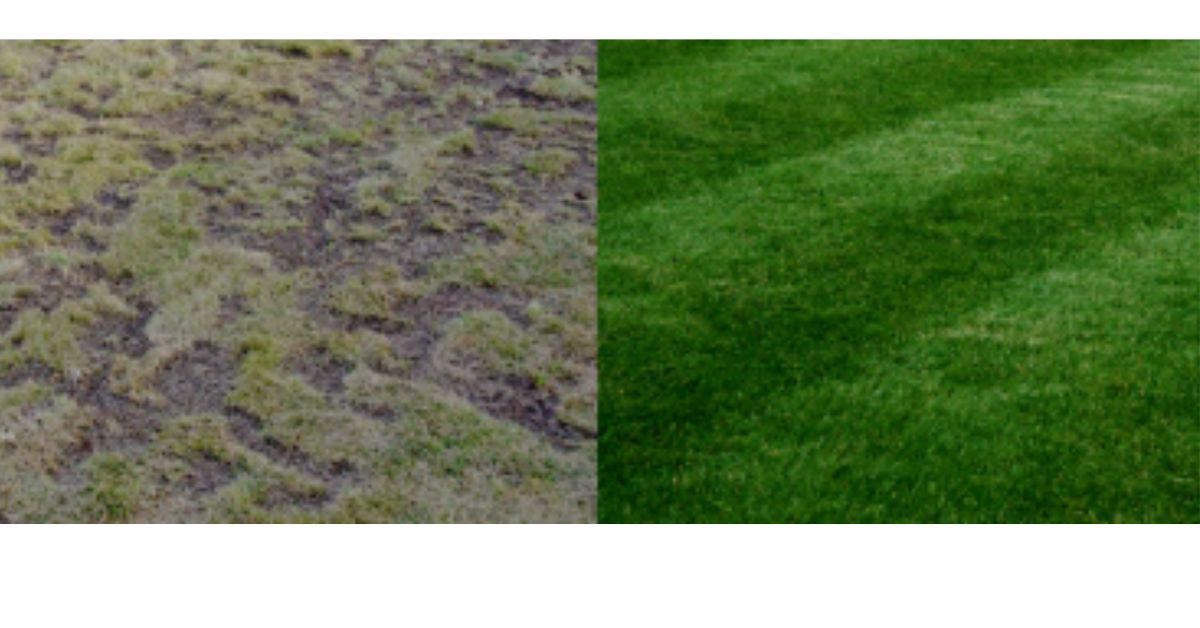
Patchy lawns rarely fix themselves. Thin turf often indicates depleted soil that can no longer support dense grass growth.


What Causes Lawn Thinning?


Common causes include:


  • Nutrient-poor soil: Lawns growing in nutrient-deficient soil often experience up to 40% slower turf density development compared to regularly fertilized lawns, according to turf agronomy field studies
  • Heavy foot traffic: Repeated foot traffic compresses grass crowns and restricts nutrient uptake, making turf more vulnerable to thinning and discoloration.
  • Compacted ground: Soil compaction reduces oxygen availability in the root zone, limiting fertilizer absorption and weakening turf structure.
  • Seasonal drought stress: Extended summer drought can reduce turf root mass by nearly 50%, significantly lowering the lawn’s ability to absorb nutrients


A structured grass fertilization program that Parkville homeowners rely on typically includes soil analysis, slow-release fertilizers, and overseeding recommendations when needed.


At Lawnscape Specialists, turf recovery plans are tailored to grass type and sun exposure—ensuring even regrowth across the property.


Are Weeds Taking Over Your Lawn?


Weeds thrive where grass struggles.


If you’re seeing:


  • Dandelions
  • Crabgrass
  • Clover
  • Broadleaf weeds


…it’s often because your turf lacks the density to crowd them out.


How Fertilization Helps Weed Prevention


Healthy grass forms a thick canopy that blocks weed germination. Seasonal lawn feeding services, Parkville homeowners schedule annually to strengthen root systems and improve turf competition naturally.


For environmental guidance on responsible lawn treatments, homeowners can review best practices from the U.S. Environmental Protection Agency (EPA):


This ensures fertilization supports lawn health without harming surrounding ecosystems.


Does Your Lawn Struggle to Grow After Mowing?


Slow regrowth is a hidden warning sign many property owners overlook.


Grass that takes weeks to rebound after mowing may be suffering from:


  • Phosphorus deficiency
  • Poor soil biology
  • Weak root development


Why Nutrient Timing Matters


A targeted lawn nutrient treatment plan in Parkville, MO plan replenishes essential elements like nitrogen, phosphorus, and potassium at the right seasonal intervals.


At Lawnscape Specialists, technicians follow regional turf calendars based on Missouri’s soil composition and rainfall cycles, helping lawns recover faster between cuts. See real lawn fertilization results from our lawn fertilization services in Gladstone, MO, in our project gallery


Has Seasonal Weather Caused Lawn Stress or Damage?


Missouri lawns endure extreme swings:


  • Hot, humid summers
  • Freezing winters
  • Heavy spring rains


Without reinforcement, turf weakens season after season.


What Seasonal Feeding Programs Do


Seasonal lawn feeding services for Parkville properties typically include:


  1. Spring green-up fertilization
  2. Early summer strengthening
  3. Late summer stress defense
  4. Fall root-building treatments


These phased applications prepare lawns for temperature extremes while improving drought and disease resistance.


Why Choose Professional Lawn Fertilization Instead of DIY?


Store-bought fertilizers often produce inconsistent results due to:


  • Incorrect application rates
  • Poor timing
  • Uneven spreading
  • Lack of soil testing


Professional Lawn Fertilization Parkville, MO services provide:


  • Customized nutrient blends
  • Commercial-grade equipment
  • Turf-specific treatment cycles
  • Long-term lawn monitoring


How Do Lawn Fertilization Services Parkville, MO Improve Property Value?


Healthy turf isn’t just aesthetic, it’s financial.


Well-maintained lawns can:


  • Increase curb appeal
  • Support higher resale value
  • Reduce soil erosion
  • Improve drainage


According to landscaping studies referenced by the National Association of Realtors, professional lawn care can yield up to a 100–200% return on investment through property value enhancement.


When Should You Schedule Fertilization in Parkville, MO?


The best fertilization schedules align with turf growth cycles:


  • Early Spring → Nutrient activation
  • Late Spring → Growth support
  • Summer → Stress protection
  • Fall → Root strengthening


Delaying treatments reduces effectiveness and prolongs recovery time.


Act Before Lawn Damage Becomes Costly


Ignoring early lawn warning signs often leads to expensive restoration later. Yellowing grass, thinning turf, weed invasions, and slow regrowth all point to one root issue—nutrient deficiency.


With expert Lawn Fertilization Services in Parkville, MO, homeowners can restore turf health, strengthen soil biology, and maintain year-round lawn resilience.


Ready for a greener, healthier lawn?


Schedule your Lawn Fertilization Services Parkville, MO today with Lawnscape Specialists and get a customized nutrient treatment plan built for Missouri soil and climate. Request us to get your estimate now:

Quick Summary 


If your lawn in Parkville, MO, looks thin, yellow, or patchy, it may be suffering from nutrient deficiencies. This blog explains five key warning signs that signal the need for Lawn Fertilization Services Parkville, MO, including slow growth, weed invasion, soil depletion, and seasonal stress. Learn how Professional Lawn Fertilization Parkville, MO programs restore turf strength through balanced nutrient applications, seasonal feeding, and targeted lawn nutrient treatment. Backed by local expertise from Lawnscape Specialists, this guide helps homeowners take timely action to protect grass health, improve curb appeal, and prevent costly lawn damage.


Frequently Asked Questions


  • What are the signs I need Lawn Fertilization Services in Parkville, MO?

    Common signs include yellowing grass, thin patches, weed overgrowth, slow regrowth after mowing, and seasonal lawn stress.

  • How often should fertilization be scheduled?

    Most lawns benefit from 4–6 fertilization treatments per year aligned with seasonal growth cycles.

  • Is professional lawn fertilization better than DIY?

    Yes. Professional services use calibrated equipment, soil testing, and customized nutrient blends for consistent results.

  • What nutrients are included in lawn fertilization?

    Fertilization treatments typically include nitrogen, phosphorus, and potassium to support color, root growth, and resilience.

  • Do seasonal lawn feeding services help prevent weeds?

    Yes. Healthy, dense turf created through seasonal feeding reduces space for weeds to grow.

By Champagne Reid May 19, 2026
Mosquitoes and fleas peak in Kansas City summers. Learn why early professional treatment works better, what health risks are involved, and how to protect your yard all season.
Lawn Pest Maintenance Kansas City MO pest control healthy green lawn Lawnscape Specialists
May 12, 2026
Get expert Lawn Pest Maintenance Kansas City MO. From grubs to seasonal care, Lawnscape Specialists keeps your lawn healthy. Call now!
Professional Lawn Fertilization Parkville MO healthy green lawn service Lawnscape Specialists
May 12, 2026
Get expert Professional Lawn Fertilization Parkville MO. Lawnscape Specialists offers custom plans & Lawn Pest Maintenance Kansas City MO. Call today!
A worker preparing for Core aeration lawn service in Gladstone, MO by Lawnscape Specialists
May 12, 2026
Boost lawn health with Core Aeration Services, Gladstone, MO, by Lawnscape Specialists. Improve soil, roots, and growth. Schedule your service today!
By Champagne Reid April 27, 2026
Struggling with Northland clay? Learn how to fix your lawn with our expert guide to soil, grass types, and seasonal care from Platte City to Olathe.
By Champagne Reid March 23, 2026
Pest problems often grow fast when preventive treatments are skipped. Many insects reproduce quickly and spread through lawns, soil, and nearby landscaping before visible damage appears. In the Kansas City metro area, seasonal weather patterns create ideal conditions for pests to multiply, which means early prevention plays a major role in protecting healthy lawns. Preventive pest care helps stop infestations before they grow into larger problems that require extensive treatment. Homeowners who delay these services often notice sudden lawn damage, increased insect activity, and higher repair costs later in the season. Understanding why pest problems escalate so quickly can help property owners protect their landscapes more effectively. Why Do Pest Problems Grow So Quickly Without Preventive Treatments? Pest populations increase quickly because most insects reproduce at high rates and remain hidden during early stages of growth. Preventive treatments interrupt their life cycles before they multiply and spread across lawns and garden beds. When these treatments are skipped, pests continue reproducing without interruption. Insects such as grubs, chinch bugs, and armyworms can develop in soil long before visible lawn damage appears. By the time brown patches or thinning turf become noticeable, the population may already be large enough to require more aggressive solutions. In areas like Kansas City, where warm temperatures support rapid insect development, early treatment helps control populations before they reach damaging levels. What Happens Beneath the Lawn When Pests Go Untreated? Many destructive lawn pests spend a large portion of their life cycle underground. Preventive treatments target these insects during vulnerable stages, often before they surface or begin feeding heavily on grass roots. Grubs are a clear example. These larvae feed on turf roots beneath the soil surface, weakening grass plants and causing large sections of turf to lift easily from the ground. Without preventive applications, these pests remain undetected until significant damage occurs. Soil-dwelling insects also attract secondary problems. Birds, raccoons, and skunks may dig through lawns searching for grubs and larvae, creating additional damage beyond what the pests cause themselves. Early pest control helps prevent this chain reaction. Why Seasonal Timing Matters for Lawn Pest Prevention Preventive pest treatments are most effective when applied at the correct time in the insect life cycle. Many lawn pests follow predictable seasonal patterns based on temperature and soil conditions. Missing these windows allows pest populations to establish themselves before treatments begin. For example, grub prevention typically works best when applied before eggs hatch and larvae begin feeding on turf roots. Once grubs mature, treatments become less effective, and lawns may already show damage. Kansas City homeowners benefit from pest programs that follow local seasonal patterns. Professionals monitor weather conditions and pest activity to determine when treatments should be applied for the best results. Early Pest Activity Often Goes Unnoticed by Homeowners Most pest problems start quietly. Early signs are subtle and easy to overlook without routine monitoring or professional inspection. Preventive services help identify early activity before it spreads. Some early indicators include slight discoloration in grass blades, uneven turf growth, or increased insect presence near soil surfaces. These warning signs often appear weeks before visible lawn damage develops. Regular preventive care allows lawn care professionals to detect these early signals and apply targeted treatments before infestations expand. This proactive approach protects lawns while reducing the need for heavier pesticide use later. Why Small Pest Populations Become Major Infestations A small pest population can expand rapidly when conditions support reproduction. Many lawn insects lay dozens or even hundreds of eggs at once. Within a short period, a manageable issue can turn into widespread turf damage. When preventive treatments are skipped, several insect generations may develop during a single growing season. Each new generation increases the population and the amount of plant material being consumed. When preventive treatments are skipped, several insect generations may develop during a single growing season. Each new generation increases the population and the amount of plant material being consumed. The Hidden Costs of Delaying Pest Control Skipping preventive treatments may appear to save money in the short term, yet it often leads to larger expenses later. Once pests damage root systems, lawns may require reseeding, sod replacement, or soil repair. Severely damaged turf struggles to recover even after pests are eliminated. Grass that loses a large portion of its root system may fail to regrow, leaving bare soil that encourages weed growth. Property owners may also face increased irrigation needs, soil amendments, and multiple corrective treatments to restore lawn health. Preventive programs usually cost far less than repairing widespread turf damage.
thicker grass
By Champagne Reid March 13, 2026
Learn how consistent lawn care programs strengthen turf, improve soil health, and create thicker grass that stays resilient and attractive through every season.
By Dave Hagedorn February 16, 2026
If you're a Kansas City homeowner with a thin, patchy lawn, overseeding is one of the most effective ways to transform your turf into a thick, lush carpet of grass. But timing is everything when it comes to overseeding. Plant your seed at the wrong time of year, and you'll waste money and effort with poor germination rates. By the end of this post, you will know exactly when to overseed your lawn in Kansas City, why timing matters, and how to prepare your lawn for the best possible results. The Best Time to Overseed in Kansas City: Quick Answer Optimal Window: Late August through mid-October (fall overseeding) Why Fall: Warm soil, cool air, and adequate moisture create ideal conditions for seed germination and establishment Secondary Window: Early spring (March-April) is a secondary option, but fall is superior Soil Temperature: Soil should be between 60-70°F for optimal germination Avoid Summer: Never overseed in summer when heat and drought stress the new seedlings Avoid Winter: Winter overseeding will fail because the seed won't germinate in cold soil Why Fall Is the Best Time to Overseed in Kansas City The fall season in Kansas City provides the perfect combination of environmental factors for successful overseeding. According to the University of Missouri Extension, "fall is the best time to seed new lawns or overseed existing lawns in Missouri because soil temperatures are warm enough for seed germination, but air temperatures are cool enough to reduce stress on seedlings." [1] During late August through October, the soil temperature in Kansas City remains warm enough for grass seed to germinate quickly, typically between 60-70°F. At the same time, the cooler air temperatures (typically in the 60s-70s°F) reduce the stress on young seedlings. This combination is crucial because new grass seedlings are vulnerable to heat stress, and the cooler fall temperatures allow them to establish a strong root system before winter arrives. Additionally, fall typically brings more consistent moisture through rainfall, which is essential for seed germination and establishment. This natural moisture reduces your watering requirements and increases the likelihood of successful germination. By spring, your new grass will have had months to develop a deep, healthy root system, making it much more drought-tolerant and disease-resistant than spring-seeded grass. Signs Your Lawn Needs Overseeding Before you schedule your overseeding service, it's helpful to understand the signs that your lawn could benefit from this treatment. If you notice any of the following, overseeding should be on your to-do list: Thin or Patchy Grass: If you can see bare soil through your lawn, overseeding can help fill in those thin spots and create a denser turf. Weed Infestations: A thick, healthy lawn is the best defense against weeds. If your lawn is thin, weeds will quickly take over. Overseeding helps create a dense turf that naturally crowds out weeds. High Traffic Areas: Areas of your lawn that receive heavy foot traffic often become thin and worn. Overseeding these areas can help restore the turf. Disease or Insect Damage: If your lawn has suffered from disease or insect damage, overseeding can help repair the damage and restore the lawn's health. Age: If your lawn is more than 5-10 years old, it may benefit from overseeding to introduce new, improved grass varieties. The Step-by-Step Process for Overseeding in Kansas City Understanding the overseeding process will help you prepare your lawn and know what to expect. Here's how a professional overseeding service typically works: Step 1: Lawn Assessment and Preparation The first step is to assess the condition of your lawn. A lawn care professional will evaluate the soil, identify any problem areas, and determine the best approach. If your lawn has significant thatch buildup or soil compaction, aeration may be recommended before overseeding. Many homeowners choose to aerate and overseed together for maximum results. Step 2: Mowing and Cleanup Before overseeding, your lawn should be mowed short (about 2 inches) and all debris should be removed. This allows the seed to make good contact with the soil, which is essential for germination. Step 3: Seed Selection The type of seed you choose is critical for success. For Kansas City, tall fescue is the recommended grass type. According to K-State Research and Extension, "tall fescue is the most widely used cool-season grass in Kansas and is well-adapted to the state's climate." [2] A quality seed blend will include multiple varieties of tall fescue to provide genetic diversity and improved disease resistance. Step 4: Overseeding Application The seed is spread evenly over the lawn using a broadcast spreader or similar equipment. The goal is to achieve good seed-to-soil contact, which is why aeration before overseeding is so beneficial. The small holes created by aeration provide perfect pockets for the seed to nestle into. Step 5: Starter Fertilizer Application Immediately after overseeding, a starter fertilizer is applied. This fertilizer is high in phosphorus, which promotes root development in young seedlings. The starter fertilizer provides the new seed with the nutrients it needs to germinate and establish quickly. Common Mistakes to Avoid When Overseeding Overseeding at the Wrong Time: As we've discussed, timing is critical. Overseeding in summer or winter will result in poor germination and wasted money. Using Low-Quality Seed: Cheap seed often contains a high percentage of weed seeds and low germination rates. Invest in quality seed from a reputable source. Skipping Aeration: While overseeding alone can be beneficial, combining it with aeration significantly improves results by ensuring better seed-to-soil contact. Improper Watering: New seed requires consistent moisture. Many homeowners either underwater or overwater, both of which can result in poor germination. Mowing Too Soon: Mowing the new grass before it's established can damage the seedlings. Wait until the new grass is at least 3-4 inches tall before mowing. Applying Weed Control Too Early: Weed control products can prevent seed germination. Wait at least 4-6 weeks after overseeding before applying any weed control. DIY vs. Professional Overseeding: What You Need to Know While it is possible to overseed your lawn yourself, there are significant advantages to hiring a professional. Professional lawn care companies have access to commercial-grade equipment that provides more uniform seed distribution than consumer equipment. They also have access to premium seed blends that are specifically formulated for the Kansas City climate. Perhaps most importantly, professionals have the expertise to ensure the job is done correctly, which can save you from costly mistakes. If you do choose to DIY, you'll need to rent equipment, purchase seed and fertilizer, and invest significant time and effort. When you factor in the cost of rental equipment and premium seed, professional overseeding often costs less than you might expect, and the results are typically superior. Your Partner in Lawn Care At Lawnscape Specialists, we specialize in overseeding services designed to transform thin, patchy lawns into thick, healthy turf. We use premium seed blends specifically selected for the Kansas City climate, and we apply our services at the optimal time of year for maximum success. Contact us today for a free estimate and let us help you achieve the lawn of your dreams. Ready to transform your lawn with professional overseeding? Get Your Free Estimate Today Frequently Asked Questions What is the best time to overseed in Kansas City? The best time to overseed in Kansas City is from late August through mid-October. This timing provides warm soil for germination, cool air to reduce seedling stress, and typically adequate moisture from fall rains. Can I overseed my lawn in spring? While spring overseeding is possible, it is less ideal than fall overseeding. Spring-seeded grass is more susceptible to heat stress in summer and may not establish as well as fall-seeded grass. How long does it take for overseeded grass to grow? New grass seed typically germinates within 2-3 weeks, but it can take several months for the new grass to fully mature and blend in with your existing lawn. Do I need to aerate before overseeding? While aeration is not absolutely necessary, it significantly improves overseeding results by ensuring better seed-to-soil contact. Many homeowners choose to aerate and overseed together. How much does overseeding cost in Kansas City? The cost of overseeding varies depending on the size of your lawn, but you can typically expect to pay between $250 and $500 for professional overseeding services. What type of grass seed should I use in Kansas City? Tall fescue is the recommended grass type for Kansas City. Look for a quality seed blend that includes multiple varieties of tall fescue for genetic diversity and improved disease resistance. References University of Missouri Extension - Lawn Establishment and Renovation K-State Research and Extension - Turfgrass Species for Kansas
By Dave Hagedorn February 13, 2026
Lawn Care ROI: Kansas City Homeowner’s Guide to Cost-Effective Yard Care
By Dave Hagedorn February 11, 2026
Dealing with pests is stressful enough – you shouldn’t have stress about the cost, too. Unfortunately, pest control pricing often feels mysterious. One company might charge one price while another quotes something very different.