Lawn Care Guide for Kansas City Northland Soil & Climate

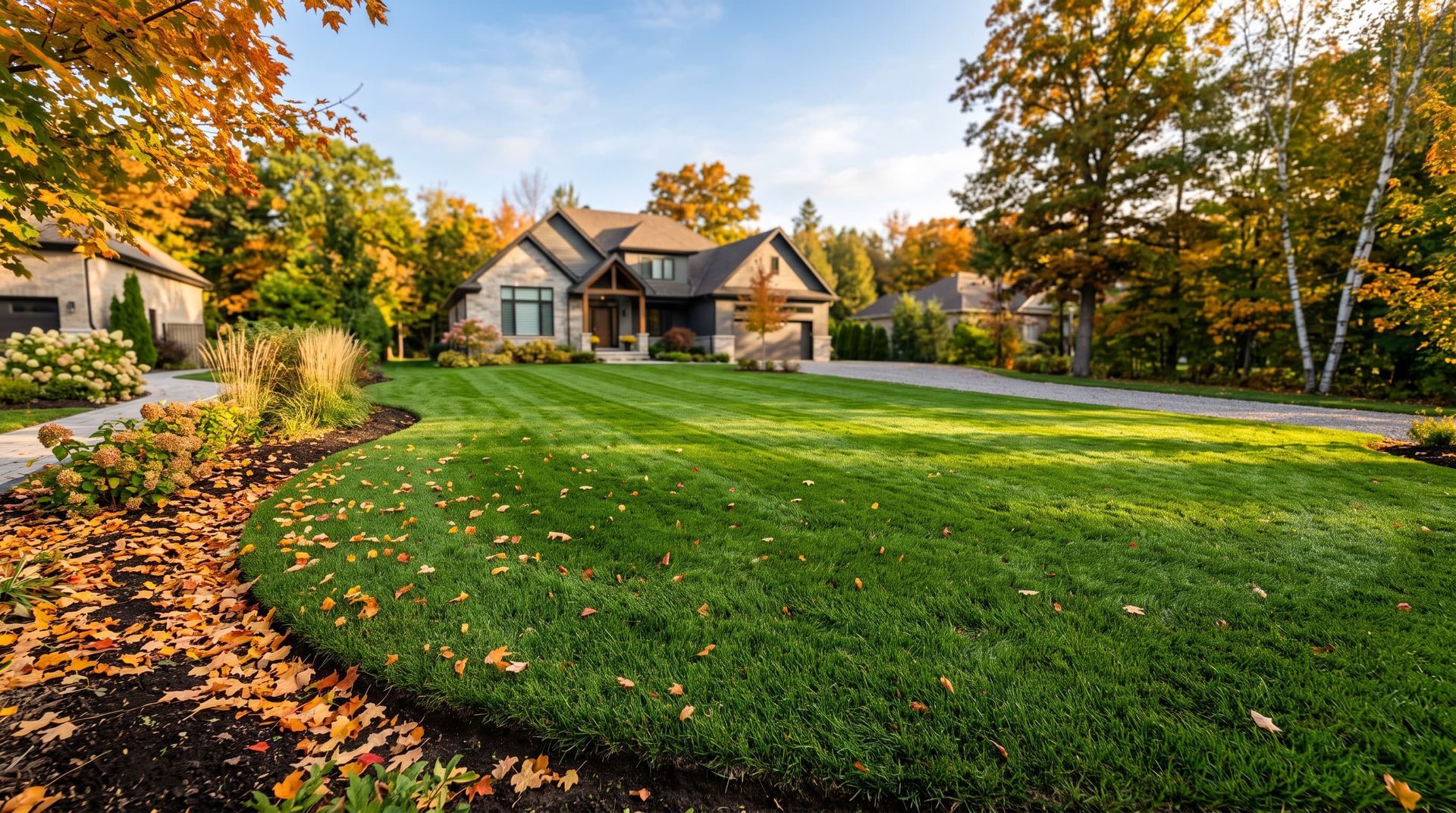
For homeowners living between Platte City and Olathe, maintaining a lush green yard is a unique challenge. The Kansas City Northland sits in a "transition zone," meaning it is too hot for some grasses and too cold for others. To get a healthy lawn here, you have to work with the heavy clay soil and unpredictable weather shifts rather than struggling with local conditions. A professional approach involves timing your fertilization, aeration, and seeding to match the specific needs of our regional environment.
Why is Northland Soil So Difficult to Manage?
If you have ever tried to dig a hole in your yard in Platte City or Olathe, you would know the truth that the soil is mostly heavy, sticky clay. Unlike sandy soils that drain quickly, clay holds onto water but lacks the air pockets necessary for root growth. This leads to several common problems for local lawns.
First, clay compacts tightly. When people walk on the grass or kids play in the yard, the soil settles into a hard, brick-like layer. This "suffocates" the grass roots. Second, clay drains poorly. After a heavy Missouri rainstorm, water often sits on the surface, which can lead to root rot or fungal diseases like Brown Patch.
To fix this, you cannot just add more water or fertilizer. You have to physically change the structure of the soil through
regular maintenance.
How Does the Local Climate Affect Your Lawn?
The weather in the Northland is never consistent. We often see "false springs" in February followed by sudden freezes in April. These sudden changes determine when you should treat your lawn.
- Spring (March – May): This is the season for protection. As the ground warms up, crabgrass seeds begin to germinate. If you miss the window for pre-emergent herbicide, you will be fighting weeds all summer.
- Summer (June – August): This is the survival phase. The goal isn't necessarily to make the grass grow fast; it’s to keep it alive. Tall Fescue can go dormant (turn brown) to protect itself during a drought.
- Fall (September – November): Think of fall as the fresh start for Kansas City lawn needs. The cooling air and warm soil create the perfect environment for root growth and seed germination.
- Winter (December – February): Your lawn is resting, but this is a great time to test your soil pH to prepare for next year.
What Grass Types Work Best in Kansas City?
Because we are in the transition zone, choosing the right seed is the most important decision you will make. You need a grass that can survive a 100°F July day and a -5°F January night.
Here are the recommended grass types for your lawn:
| Grass Type | Heat Tolerance | Drought Resistance | Maintenance |
|---|---|---|---|
| Turf-Type Tall Fescue | High | High | Moderate |
| Kentucky Bluegrass | Moderate | Moderate | High |
| Zoysia | Very High | High | Low |
| Perennial Ryegrass | Low | Low | High |
For most yards from Kearney to Raytown, Turf-Type Tall Fescue is the most reliable choice for our area. It has deep roots that can push through the clay to find moisture. Many local homeowners use a "KC Mix," which is mostly Fescue with a small percentage of Bluegrass to help fill in bare spots.

Why Is Fall Aeration Essential for Northland Lawns?
In cities like Platte City and Olathe, aeration is a requirement to keep the grasses greener and to maintain a healthy lawn. Because of the clay soil, the ground becomes so hard by the end of summer that fertilizer just sits on top and washes away in the rain.
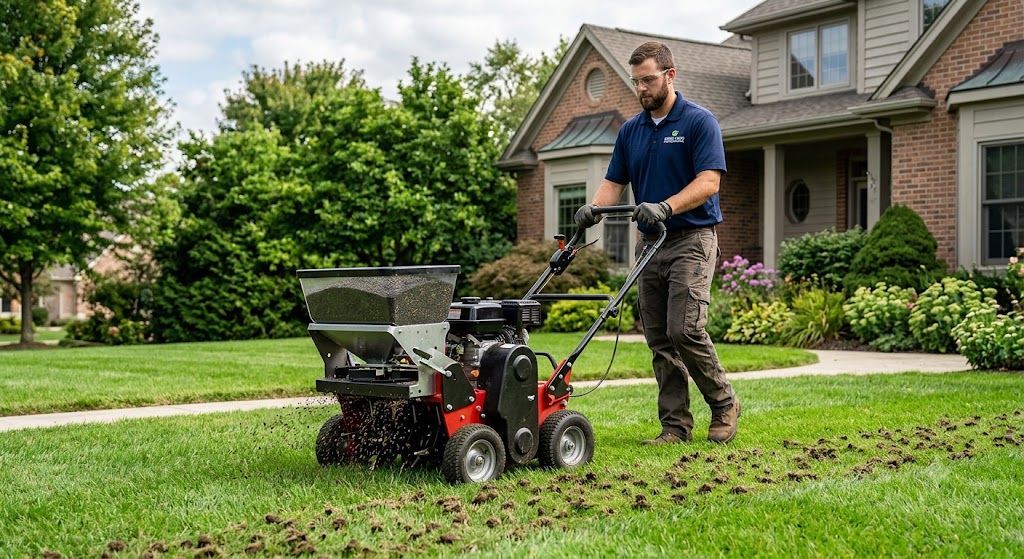
Core aeration involves pulling small plugs of soil out of the ground. This does three things:
- Relieves Compaction: It creates space for the soil to "relax" and spread out.
- Improves Drainage: It creates channels for water to soak deep into the ground.
- Enhances Nutrient Uptake: It puts fertilizer and oxygen directly in contact with the root zone.
If you combine aeration with
overseeding in the fall, the new seeds fall into those holes, ensuring better "seed-to-soil contact" and a much higher success rate.
The Secret to Proper Watering in Missouri
Most people in the Northland water their lawns incorrectly. They water for 10 minutes every single day. In our clay-heavy environment, this is a mistake. Shallow, frequent watering keeps the top layer of soil wet, which encourages shallow roots and fungus.
Instead, you should follow the "Deep and Infrequent" rule. Aim for
one inch of water per week, delivered in two long sessions. This forces the grass roots to grow deeper into the soil to find moisture, making the lawn much more resistant to the Kansas City summer heat.
Common Weed Challenges in the Northland
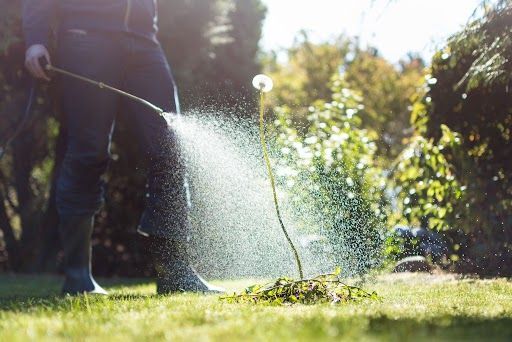
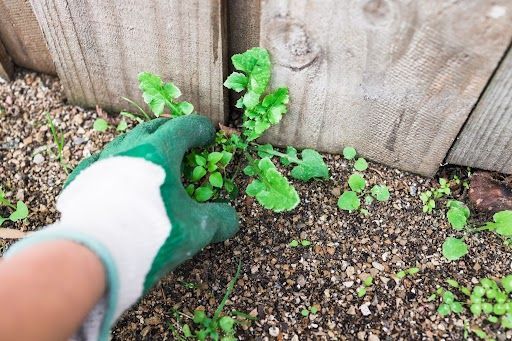
Weeds in our region are aggressive. From the dandelions that pop up in Kearney to the nutsedge that thrives in the damp areas of Raytown, a single application of weed killer is rarely enough.
- Broadleaf Weeds: Dandelions and clover are easy to spot but require a professional-grade post-emergent that won't kill your Fescue.
- Grassy Weeds: Crabgrass is the biggest threat. Once it matures in July, it is very difficult to kill without damaging your lawn. Prevention is the only real cure.
- Nutsedge: This "water weed" loves the way our clay soil holds moisture. It grows faster than grass and has a waxy leaf that repels many standard herbicides.
What Does Your Soil Need?
Local soil is often lacking in nitrogen by the time summer ends. However, simply throwing high-nitrogen fertilizer on a lawn in the middle of a hot July can "burn" the grass and cause permanent damage.
A professional program for the Northland focuses on "Bridge Feeding." This means applying the right amount of nutrients in the spring to wake the lawn up, and heavy feeding in the fall to build a strong root system for the winter. If you live in an area with many oak or maple trees, your soil might also be too acidic. Adding lime can help balance the pH, making the nutrients in the fertilizer more available to the grass.
Why Choose Lawnscape Specialists?
Maintaining a lawn across the Northland, from Platte City to Olathe, requires more than just a mower and a bag of seed. At Lawnscape Specialists, we understand the specific "Northland Clay" struggle because we live and work here.
Our experts know that a yard in Kearney might have different drainage needs than a yard in Raytown. Our team uses professional-grade equipment and local expertise to ensure your grass stays green, healthy, and weed-free. We focus on the science of soil health, ensuring that every treatment we apply is timed perfectly for the Missouri and Kansas climate.
People Also Ask (FAQ)
1.When should I start mowing my lawn in the spring in Kansas City?
Wait until the grass has reached about 3.5 to 4 inches in height. Usually, this happens in late March or early April. For the first mow of the season, ensure your blades are sharp to avoid tearing the grass, which can lead to disease.
2.How do I get rid of moles in my Northland yard?
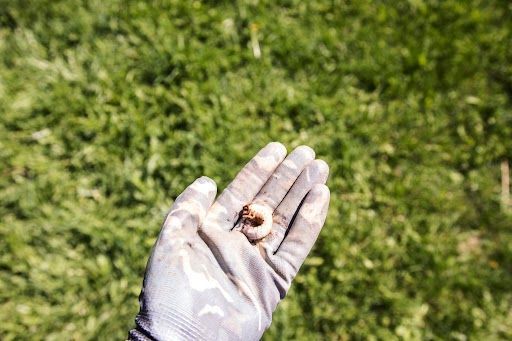
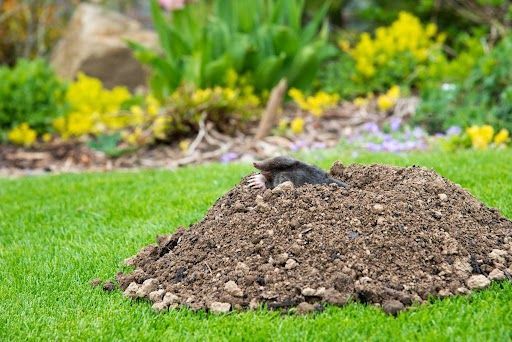
Moles are usually in your yard because you have a food source, often grubs. By treating your lawn for grubs in the late spring, you can often naturally move the moles to a different location while protecting your grass roots from insect damage.
3.Is it too late to seed my lawn in October?
In the Northland, you can usually seed up until mid-October, but earlier is better. The new grass needs at least 45 days of growth before the first hard freeze (which usually happens in November) to ensure the roots are strong enough to survive the winter.
4.Why is my lawn turning brown even though I am watering it?
In the heat of a Missouri summer, this could be a sign of "Brown Patch" fungus or heat dormancy. If the grass is straw-colored and stiff, it is likely dormant. If it has circular brown spots with a dark ring, it is likely a fungus that requires a professional fungicide treatment.
A beautiful lawn in the Kansas City Northland is possible, but it requires a strategy built on local knowledge. By focusing on soil health, choosing the right grass types, and timing your maintenance with the seasons, you can have the best-looking yard on the block.
Are you ready to stop guessing and start seeing results? At
Lawnscape Specialists, we provide a
6-Step Lawn Care Program tailored to the unique soil and climate of the Northland, helping you achieve a lush, green landscape without the stress.
Contact us today.