Why Starter Fertilizer Companies Don't Want You to Know This $8 Alternative
The Real Secret to Spring Fertilizer Timing (And Why Most Homeowners Rush It)
If you’ve ever felt confused about when to fertilize your lawn in spring, you’re in good company. Every homeowner has that moment where the sun comes out, the grass turns slightly green, and it *feels* like you should run to the garden center and dump something on the yard “just to get ahead.”
But here’s the friendly truth: most people fertilize way too early. And not because they’re doing anything wrong — it’s because lawn care advice online is usually written for people who want to feel like scientists, not people who simply want a nice-looking lawn.
Let’s make this simple, realistic, and genuinely helpful… without making you buy gadgets, track charts, or study soil chemistry like it’s a college final.
Why Fertilizer Timing Matters More Than You Think
Fertilizer works best when your lawn is actually awake and growing. That means your grass needs to be fully out of winter hibernation mode — not just “kind of awake” when you notice a few green blades popping through.
Think of your lawn like a person waking up: talking to someone before they’ve had their morning coffee usually goes nowhere. Fertilizing a lawn before it’s ready is the same idea — lots of effort with very little payoff.
When fertilizer goes down too early, you usually get:
- A quick but temporary color boost
- Weeds getting a head start
- Grass that looks tired again a few weeks later
- The feeling that you “must have done it wrong”
In reality, it’s almost always just timing — not the product, not the technique, not your effort.
So When Should You Actually Fertilize?
Here's the good news: you don’t need a soil thermometer or charts to get this right. Your lawn gives you clues if you know what to look for.
You’re aiming for the moment when:
- The grass is growing steadily (consistent mowing needed)
- The soil is no longer cold or soggy
- Nights have stopped dipping into winter-like temperatures
- The lawn feels like it’s fully “switched on” for the season
Some springs this happens early. Some springs it takes forever. Nature doesn’t work off a schedule — which is why “always fertilize on X date” is some of the worst advice floating around online.
Why Early Spring Fertilizer Doesn’t Work as Well
When you fertilize too early, your lawn might not be ready to absorb the nutrients yet. It’s like giving someone a full meal when they’re still half asleep — most of it goes to waste.
On top of that, early fertilizer often wakes up weeds faster than grass. That’s why you see some lawns looking green in patches and weedy in others — fertilizer went everywhere, but the weeds were quicker to respond.
This is exactly why many homeowners feel like they’re “fighting weeds all summer.” The lawn never got the proper push at the right time, so weeds jumped in first.
A Much Simpler Spring Fertilizer Plan
Here’s a realistic approach that works for almost every yard in our Midwest climate:
1. Watch your lawn, not the calendar.
When the grass starts growing evenly enough that you're mowing consistently, that’s a sign it’s ready for a feeding.
2. Pick a stretch of normal weather.
No need for perfect conditions — just avoid the extreme early-spring temperature swings.
3. Choose a fertilizer that supports steady growth.
Slow-release formulas tend to work best for spring because they feed the lawn gently over time. (Our
lawn treatment services focus on the kind of balanced formulas that support long-term, healthy growth.)
4. Don’t stress the technique.
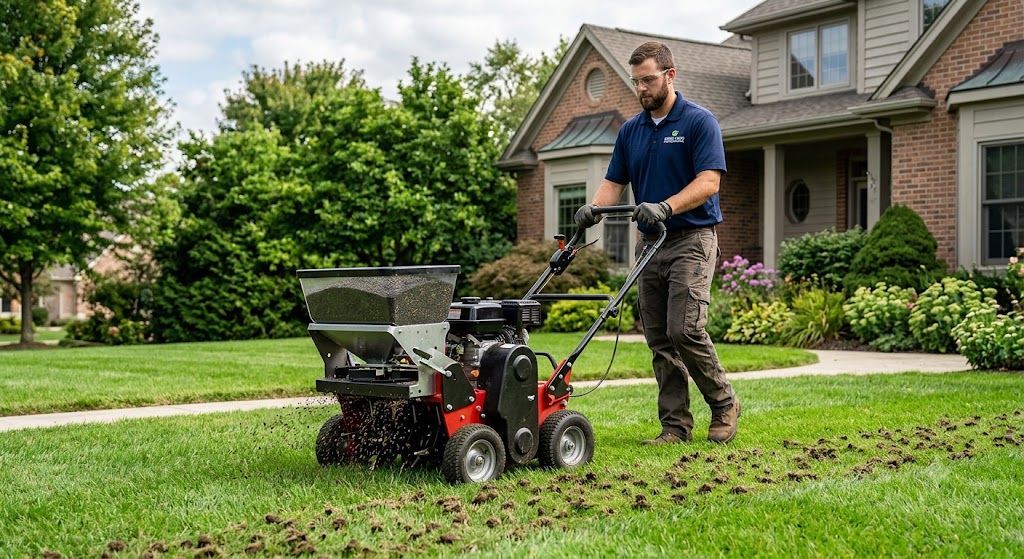
Even coverage matters more than perfection. A simple, steady walking pattern with a spreader works just fine for most people.
Why Many Homeowners Eventually Ask for Help
Lots of people start spring with good intentions: "This year I'm doing everything right!" But life gets busy. A few weeks go by. The timing window shifts. You’re not sure if it’s too early or too late anymore.
And that’s where things start to feel confusing enough that people reach out for help — not because they can’t do it, but because the margin for timing is smaller than most people realize.
That’s exactly why our team handles fertilization timing as part of a larger seasonal plan. We look at weather patterns, moisture, soil response, and last year’s needs, and time everything to support long-term turf health.
The Whole Point of Fertilizing Is to Make Summer Easier
Fertilizer is not about making your lawn explode with growth. It’s about building a strong foundation so your grass can handle summer heat, foot traffic, pets, kids, sprinklers, and everything else life throws at it.
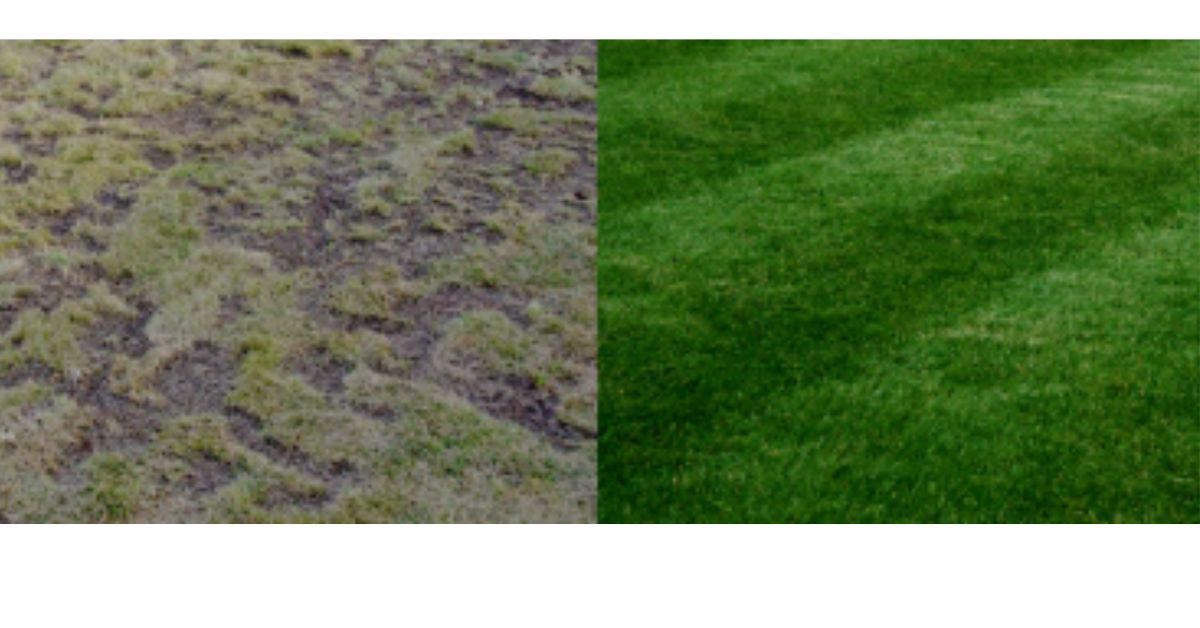
When spring fertilizer goes down at the right time, you’ll notice:
- More even color
- Less summer stress
- Fewer weeds
- More consistent growth
- A lawn that just feels healthier overall
Want a Hand Getting It Right This Year?
If you’re tired of guessing — or tired of spending money on products that don’t seem to deliver — we’d be happy to help. Our
lawn care programs take spring fertilizer timing seriously, because it sets the stage for your entire year.
We’ll walk your property, talk through your goals, and create a spring plan that works with your lawn’s natural rhythm — not just whatever the bag at the store suggests.
You deserve a lawn that looks great without making you feel like you need a horticulture degree to achieve it.