Professional Pest Control Costs: Why Quality Service Is Worth the Price

Professional Pest Control Costs: Why Quality Service Is Worth the Price
Transparent Pest Control Pricing: Upfront Quotes and Real Results

Dealing with pests is stressful enough – you shouldn’t have stress about the cost, too. Unfortunately, pest control pricing often feels mysterious. One company might charge one price while another quotes something very different. And if a hidden fee pops up or pests come back, you end up paying more than expected. That’s why clear, upfront pricing matters. Lawnscape Specialists focuses on transparency: we provide on-site inspections and upfront quotes so you know exactly what you’ll pay. By understanding how pest control costs work, you can choose a solution that fixes your problem without surprise charges. This guide breaks down what affects pest control costs, why up-front quotes help, and how you can avoid repeated treatments – letting you pay once for a lasting result.


What Drives Pest Control Costs?

Several factors influence how much you’ll pay to get rid of pests. Knowing these can help you compare quotes more fairly:

  • Type of Pest: Different pests require different approaches. A small ant infestation might only need a quick spray, while termites or bed bugs often need specialized equipment and more time. (For example, termite treatments can be far more involved than a routine ant treatment, driving the price higher.)
  • Size and Severity of Infestation: A few bugs in one corner is easier (and cheaper) to treat, but a widespread infestation means more chemicals, materials, or visits. The more extensive the problem, the higher the cost tends to be.
  • Property Size & Layout: Bigger homes or yards generally take longer to cover. A large house or multi-unit building might require more materials and hours than a tiny apartment. Difficult access (like an upper attic or a crawl space) can also add to labor time.
  • Treatment Methods: The methods used play a big role. Basic chemical sprays are usually less expensive, while high-tech solutions (like whole-home heat treatments or fumigation) really add up. If your situation needs special equipment or multiple steps, the quote will reflect that.
  • Follow-up Services and Guarantees: Some companies include a certain number of follow-up visits or offer a return-guarantee for a period of time. If a quote covers a 30- or 90-day warranty with free retreatments, that can make the upfront price higher, but saves you money later if pests return.
  • Location and Local Pest Pressures: Where you live can affect cost. For instance, homes in termite-prone areas may need more thorough checks or preventative work. Travel fees can apply if a company has to drive far. Weather and season can subtly influence demand (peak pest seasons might briefly bump prices, similar to any seasonal service).

In short, pest control isn’t one-size-fits-all. Keep an eye on these factors when comparing estimates. If one company’s quote is much lower than another’s, check exactly what they’re including and how they handle guarantees.


Why Upfront Quotes Matter

One surefire way to avoid sticker shock is to get a clear, upfront quote before any work begins. With an upfront quote, a technician inspects your home, identifies what needs treatment, and then gives you a fixed price. You see the total cost before agreeing. This approach has big benefits:

  • No Surprises: You know exactly what you’re paying ahead of time. There won’t be a surprise charge at the end of the job.
  • Encourages Quality Work: When a pest pro is paid a flat rate, they’re motivated to do the job thoroughly the first time. If they only get paid after the pests are gone, they’ll aim to solve the problem completely on that visit (or within the guaranteed period).
  • Easy to Budget: Knowing the price up front makes it easier to plan your budget. You won’t wonder if you have extra thousands waiting at the end.
  • Fair Comparison: When each company gives an upfront price for the same scope of work, you can compare those quotes more confidently. For example, if two companies inspect your kitchen ants problem and one says “$250 total” while another says “$180 plus $75 per follow-up”, you’ll realize the cheap quote might end up costing more if follow-ups are needed.


At Lawnscape Specialists, we always inspect your home and explain our quote clearly before any treatment. That way you don’t have to guess what’s included. We stand behind our inspection and price, so there are no hidden add-ons later.


Benefits of an upfront quote:

  • You avoid hidden fees (“Didn’t the plan include a free follow-up if bugs return?”)
  • You know exactly which pests and areas will be covered.
  • The technician can focus on solving the problem instead of clocking billable hours.

If a company offers only “call and spray” pricing or an hourly rate, you might come back to a larger bill than expected. Always ask for a written, detailed quote. Confirm it’s a one-time quote, not an hourly charge. This gives you control over costs and ensures you pay only for effective solutions.


One-Time Service vs. Ongoing Pest Plans

Another key factor in pricing is whether you need a single treatment or an ongoing plan. Many companies now offer monthly or quarterly pest protection plans, as well as one-time visits. Here’s how to think about each:

  • One-Time Service: Best for a current, specific problem. If you see pests now – say, a sudden mouse sighting or flying ants in the kitchen – you can call for a one-time treatment. The cost generally reflects just treating the current issue. It might include a short-term guarantee (often 30 days) in case the pests linger. One-time services can be a good value if your home has had few issues historically.
  • Recurring Plans: These are subscriptions (often monthly or quarterly) that cover year-round protection. You pay a set amount each month or quarter, and the company visits regularly to treat any new issues. You’ll often get discounts for bundling visits, and follow-ups are typically included. Recurring plans make sense if your area has heavy pest pressure (like year-round termites or summer mosquitoes) or if you want the peace of mind that any emerging issue is handled right away.


Which costs more?

It depends. A one-time treatment has a one-off fee that may seem cheaper initially, but if pests come back you’ll pay again. A recurring plan may look higher per month, but it can actually be cheaper over a full year if pests were going to recur anyway. The key is your specific situation:

  • If your pest issues are rare or seasonal, a one-time service might be cost-efficient.
  • If your home has chronic pest pressure, an ongoing plan can prevent bigger headaches (and more expensive fixes) later on.

For example, if termite swarms happen every spring in your neighborhood, paying a small monthly fee might prevent the big expense of a full-blown infestation. Talk with a trusted pest control tech (like ours at Lawnscape) to weigh your options. We’ll help you choose what makes sense for your home and your budget.


What’s Included in Your Quote

Not all pest control quotes cover the same items, so it’s wise to know what to expect in a typical quote. A thorough quote will usually include:

  • Initial Inspection: A tech examines your home for signs of pests. This is often included for free with a quote, but some firms might charge a separate inspection fee. Knowing this upfront is key — a careful inspection ensures no hidden problem areas are missed.
  • Treatment of Targeted Areas: This is the main service. It includes the labor and materials used inside your home (and sometimes around the foundation). Check if it covers both indoor and outdoor parts – some quotes only treat inside by default.
  • Follow-Up Visits or Guarantee Period: Many reputable companies include a guarantee (for example, if pests return within 30 or 90 days, they’ll come back at no extra charge). Confirm how long that guarantee lasts and what it covers. A long guarantee might raise the initial price but saves you money if retreatments are needed.
  • Exclusion Work: Sealing cracks, fixing holes, or applying physical barriers is often listed separately. If the quote doesn’t include this, you may be charged extra for sealing gaps that let pests in. Otherwise, those gaps could be why pests return quickly.
  • Cleanup or Disposal: Some jobs (like removing a bee hive or disposing of dead rodents) may incur extra fees. Make sure the quote specifies whether cleanup is included or not.

Ask before you commit:

  • “Does this price include follow-up sprays if the pests come back?”
  • “Will you seal entry points or treat the yard – or are those extra?”
  • “What’s the guarantee period, and what does it cover?”

At Lawnscape Specialists, we pride ourselves on detail in our quotes. For instance, our standard quote might say: “Interior spray, exterior treatment, automatic follow-up if needed within 60 days, and sealing of all visible entry points included.” This way you (and we) know exactly what solution you’re paying for.


Tips to Save on Pest Control (The Smart Way)

Everyone likes to save money, but not at the expense of results. Here are some homeowner tips to keep costs down while still getting effective pest control:

  • Catch problems early: A small pest issue is almost always cheaper to fix than a large one. If you notice even a few ants or droppings, tackling it quickly often means a simpler (and lower-priced) treatment. Letting pests multiply or ignoring them can lead to much more expensive treatments later.
  • Compare similar quotes: When you get estimates, make sure each one is covering the same service. A lower quote might not include things that the higher quote does (like follow-ups or yard treatment). A fair comparison keeps you from under-budgeting and having to hire someone else again.
  • Bundle services if it makes sense: If you have multiple pest issues (say, ants and rodents, or inside and outside work), ask if the company offers any package pricing. Some firms give a discount for handling multiple problems at once. Just be wary – confirm what’s included so you’re really saving.
  • Maintain good home habits: Simple prevention can reduce future costs. Seal cracks in walls, keep food stored tightly, fix leaks, and clear clutter. These steps cost almost nothing but can make treatments much more straightforward and lasting. For example, if there’s no food or water for pests, they’re easier to eliminate.
  • Ask about seasonality: Pest control can be a bit off-peak in the winter or very early spring. If you have a flexible schedule, sometimes scheduling a treatment in a slower month might earn you a small seasonal discount. It never hurts to ask, but don’t wait too long if the pests are active.

Remember: the goal isn’t just the cheapest price, but the best value. A quote that’s slightly higher but includes guarantees and solid service can save you more money (and headaches) in the long run by preventing repeat visits.


Frequently Asked Questions

Q: Why do pest control prices vary so much between companies?

A: Because of the factors we mentioned earlier: each company may include different items, use different methods, and have different guarantee terms. One company’s high quote might include multiple follow-up visits and a long guarantee, while a cheaper quote might only cover a basic one-time treatment. To make sense of the differences, compare what’s included and the reputation of the service. Sometimes paying a little extra up front can save money later by eliminating the pests for good.


Q: What exactly is an “upfront quote” and why should I insist on it?

A: An upfront quote means you get a fixed price before any work begins. It’s based on an inspection rather than guessing. This ensures that the technicians plan the complete solution in advance. You won’t get an unexpected bill later. Insisting on an upfront quote puts you in control. You’ll know exactly what’s covered (and what’s not) for your money, which helps you avoid both underpaying (leading to worse problems) and overpaying (hidden fees or unnecessary work).

Q: How can I avoid hidden fees or extra charges?

A: The key is to ask questions. When you get a quote, ask the provider to itemize it: what services are included, and what would trigger extra charges. For example, ask if sealing cracks or yard treatment is included, or if heavier infestations require add-on services. Also, check if the quote covers follow-up visits or if those cost extra. A trustworthy company will be happy to explain each line item. If something is unclear, get it in writing or ask for a revision of the quote to state it clearly.

Q: Should I get a monthly/quarterly plan or just call for one-off treatments?

A: It depends on your situation. Ongoing service plans are great if you live in an area with frequent pest pressure (like year-round termite or mosquito issues). They ensure your home is monitored regularly and can actually be more cost-effective if you’d have to pay for multiple one-off treatments over a year. If your pest problems have been rare or seasonal, you might only need single treatments when issues arise. Discuss this with your pest control expert. In either case, compare the total yearly cost of a plan versus occasional calls, and think about convenience and peace of mind.

Q: Do I really need a professional, or can I handle pests myself?

A: For minor pest problems (like a few stray ants), DIY methods can sometimes help. But beware: many DIY solutions don’t address the root cause and may only provide temporary relief. If pests are causing damage or if you’re dealing with things like termites, bed bugs, or roaming rodents, professional help is usually worth it. Professionals have the training to find nests or entry points humans often miss, and they use products and techniques not available to the average homeowner. Think of professional service as an investment: paying a bit more now for a guaranteed fix can save money (and risk) in the long run.

Q: How can I get the most transparent and reasonable price?

A: Start by choosing a reputable local company (like Lawnscape Specialists) and ask about their quoting process. Make sure they do a full inspection and tell you exactly what they’ll do and what the cost is. Ask about their track record: for example, “How do you handle repeat visits if this doesn’t fix the problem?” A transparent provider will clearly explain guarantees and make sure you understand before you say yes. Also, remember that cheapest isn’t always better – a reliable fix from a trusted company often ends up costing less overall than a quick cheap treatment that fails and needs to be redone.


Final Thoughts

Pest control doesn’t have to be a mystery. By understanding what goes into the price and insisting on an upfront quote, you can take the guesswork out of budgeting and avoid paying more than you should. In practice, that means you pay one fair price for a thorough, effective treatment – and not a cent extra for follow-ups if everything is done right.


At Lawnscape Specialists, we believe in honest communication. We’ll walk you through every part of the quote and explain exactly what to expect. Our goal is to solve your pest problem so completely that you only pay once. If you have questions about pest control pricing or want us to inspect your home and give you a clear quote, just let us know. We’re always happy to share our knowledge and help you make a decision that fits your needs and your budget. For more simple tips on home pest control, follow our blog or send us a message anytime.

Author: Lawnscape Specialists

Published on: July 15, 2025

By Dave Hagedorn February 16, 2026
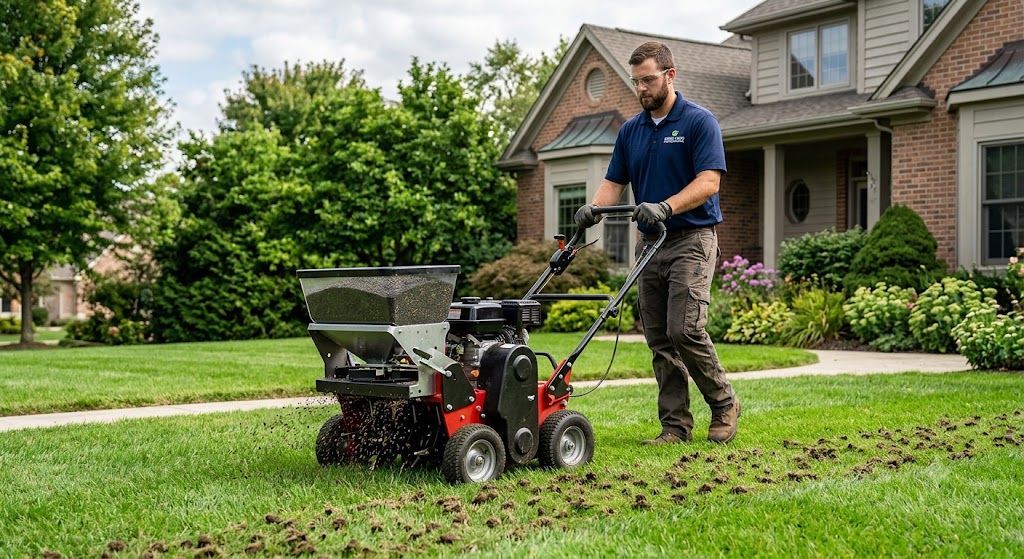
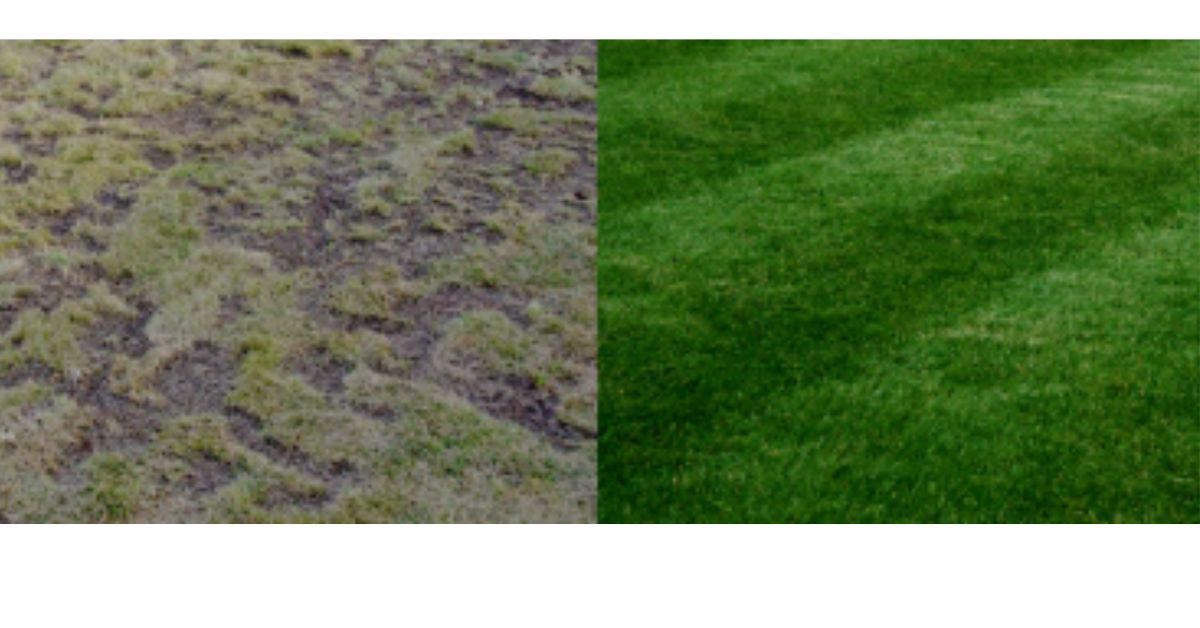
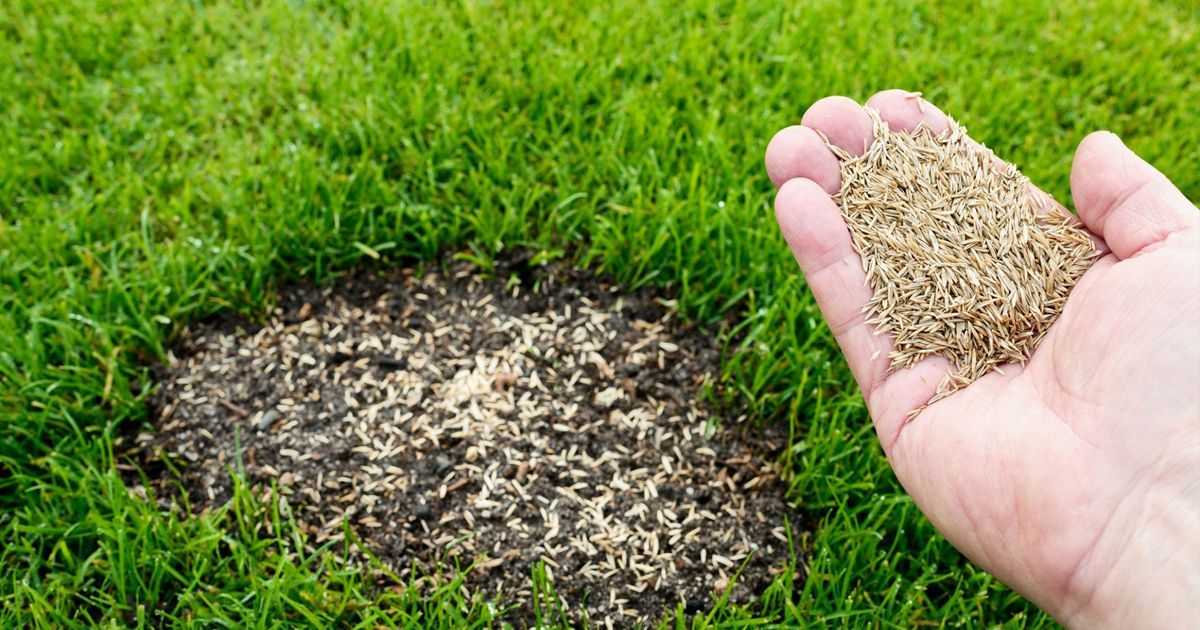
If you're a Kansas City homeowner with a thin, patchy lawn, overseeding is one of the most effective ways to transform your turf into a thick, lush carpet of grass. But timing is everything when it comes to overseeding. Plant your seed at the wrong time of year, and you'll waste money and effort with poor germination rates. By the end of this post, you will know exactly when to overseed your lawn in Kansas City, why timing matters, and how to prepare your lawn for the best possible results. The Best Time to Overseed in Kansas City: Quick Answer Optimal Window: Late August through mid-October (fall overseeding) Why Fall: Warm soil, cool air, and adequate moisture create ideal conditions for seed germination and establishment Secondary Window: Early spring (March-April) is a secondary option, but fall is superior Soil Temperature: Soil should be between 60-70°F for optimal germination Avoid Summer: Never overseed in summer when heat and drought stress the new seedlings Avoid Winter: Winter overseeding will fail because the seed won't germinate in cold soil Why Fall Is the Best Time to Overseed in Kansas City The fall season in Kansas City provides the perfect combination of environmental factors for successful overseeding. According to the University of Missouri Extension, "fall is the best time to seed new lawns or overseed existing lawns in Missouri because soil temperatures are warm enough for seed germination, but air temperatures are cool enough to reduce stress on seedlings." [1] During late August through October, the soil temperature in Kansas City remains warm enough for grass seed to germinate quickly, typically between 60-70°F. At the same time, the cooler air temperatures (typically in the 60s-70s°F) reduce the stress on young seedlings. This combination is crucial because new grass seedlings are vulnerable to heat stress, and the cooler fall temperatures allow them to establish a strong root system before winter arrives. Additionally, fall typically brings more consistent moisture through rainfall, which is essential for seed germination and establishment. This natural moisture reduces your watering requirements and increases the likelihood of successful germination. By spring, your new grass will have had months to develop a deep, healthy root system, making it much more drought-tolerant and disease-resistant than spring-seeded grass. Signs Your Lawn Needs Overseeding Before you schedule your overseeding service, it's helpful to understand the signs that your lawn could benefit from this treatment. If you notice any of the following, overseeding should be on your to-do list: Thin or Patchy Grass: If you can see bare soil through your lawn, overseeding can help fill in those thin spots and create a denser turf. Weed Infestations: A thick, healthy lawn is the best defense against weeds. If your lawn is thin, weeds will quickly take over. Overseeding helps create a dense turf that naturally crowds out weeds. High Traffic Areas: Areas of your lawn that receive heavy foot traffic often become thin and worn. Overseeding these areas can help restore the turf. Disease or Insect Damage: If your lawn has suffered from disease or insect damage, overseeding can help repair the damage and restore the lawn's health. Age: If your lawn is more than 5-10 years old, it may benefit from overseeding to introduce new, improved grass varieties. The Step-by-Step Process for Overseeding in Kansas City Understanding the overseeding process will help you prepare your lawn and know what to expect. Here's how a professional overseeding service typically works: Step 1: Lawn Assessment and Preparation The first step is to assess the condition of your lawn. A lawn care professional will evaluate the soil, identify any problem areas, and determine the best approach. If your lawn has significant thatch buildup or soil compaction, aeration may be recommended before overseeding. Many homeowners choose to aerate and overseed together for maximum results. Step 2: Mowing and Cleanup Before overseeding, your lawn should be mowed short (about 2 inches) and all debris should be removed. This allows the seed to make good contact with the soil, which is essential for germination. Step 3: Seed Selection The type of seed you choose is critical for success. For Kansas City, tall fescue is the recommended grass type. According to K-State Research and Extension, "tall fescue is the most widely used cool-season grass in Kansas and is well-adapted to the state's climate." [2] A quality seed blend will include multiple varieties of tall fescue to provide genetic diversity and improved disease resistance. Step 4: Overseeding Application The seed is spread evenly over the lawn using a broadcast spreader or similar equipment. The goal is to achieve good seed-to-soil contact, which is why aeration before overseeding is so beneficial. The small holes created by aeration provide perfect pockets for the seed to nestle into. Step 5: Starter Fertilizer Application Immediately after overseeding, a starter fertilizer is applied. This fertilizer is high in phosphorus, which promotes root development in young seedlings. The starter fertilizer provides the new seed with the nutrients it needs to germinate and establish quickly. Common Mistakes to Avoid When Overseeding Overseeding at the Wrong Time: As we've discussed, timing is critical. Overseeding in summer or winter will result in poor germination and wasted money. Using Low-Quality Seed: Cheap seed often contains a high percentage of weed seeds and low germination rates. Invest in quality seed from a reputable source. Skipping Aeration: While overseeding alone can be beneficial, combining it with aeration significantly improves results by ensuring better seed-to-soil contact. Improper Watering: New seed requires consistent moisture. Many homeowners either underwater or overwater, both of which can result in poor germination. Mowing Too Soon: Mowing the new grass before it's established can damage the seedlings. Wait until the new grass is at least 3-4 inches tall before mowing. Applying Weed Control Too Early: Weed control products can prevent seed germination. Wait at least 4-6 weeks after overseeding before applying any weed control. DIY vs. Professional Overseeding: What You Need to Know While it is possible to overseed your lawn yourself, there are significant advantages to hiring a professional. Professional lawn care companies have access to commercial-grade equipment that provides more uniform seed distribution than consumer equipment. They also have access to premium seed blends that are specifically formulated for the Kansas City climate. Perhaps most importantly, professionals have the expertise to ensure the job is done correctly, which can save you from costly mistakes. If you do choose to DIY, you'll need to rent equipment, purchase seed and fertilizer, and invest significant time and effort. When you factor in the cost of rental equipment and premium seed, professional overseeding often costs less than you might expect, and the results are typically superior. Your Partner in Lawn Care At Lawnscape Specialists, we specialize in overseeding services designed to transform thin, patchy lawns into thick, healthy turf. We use premium seed blends specifically selected for the Kansas City climate, and we apply our services at the optimal time of year for maximum success. Contact us today for a free estimate and let us help you achieve the lawn of your dreams. Ready to transform your lawn with professional overseeding? Get Your Free Estimate Today Frequently Asked Questions What is the best time to overseed in Kansas City? The best time to overseed in Kansas City is from late August through mid-October. This timing provides warm soil for germination, cool air to reduce seedling stress, and typically adequate moisture from fall rains. Can I overseed my lawn in spring? While spring overseeding is possible, it is less ideal than fall overseeding. Spring-seeded grass is more susceptible to heat stress in summer and may not establish as well as fall-seeded grass. How long does it take for overseeded grass to grow? New grass seed typically germinates within 2-3 weeks, but it can take several months for the new grass to fully mature and blend in with your existing lawn. Do I need to aerate before overseeding? While aeration is not absolutely necessary, it significantly improves overseeding results by ensuring better seed-to-soil contact. Many homeowners choose to aerate and overseed together. How much does overseeding cost in Kansas City? The cost of overseeding varies depending on the size of your lawn, but you can typically expect to pay between $250 and $500 for professional overseeding services. What type of grass seed should I use in Kansas City? Tall fescue is the recommended grass type for Kansas City. Look for a quality seed blend that includes multiple varieties of tall fescue for genetic diversity and improved disease resistance. References University of Missouri Extension - Lawn Establishment and Renovation K-State Research and Extension - Turfgrass Species for Kansas
By Dave Hagedorn February 13, 2026
Lawn Care ROI: Kansas City Homeowner’s Guide to Cost-Effective Yard Care
“Design the outdoor oasis your Kansas home deserves” in Kansas.
By Dave Hagedorn January 14, 2026
Transform your property with expert landscaping in Kansas. See how professional design, installation, and maintenance can turn your yard into an outdoor oasis.
By Champagne Reid January 8, 2026
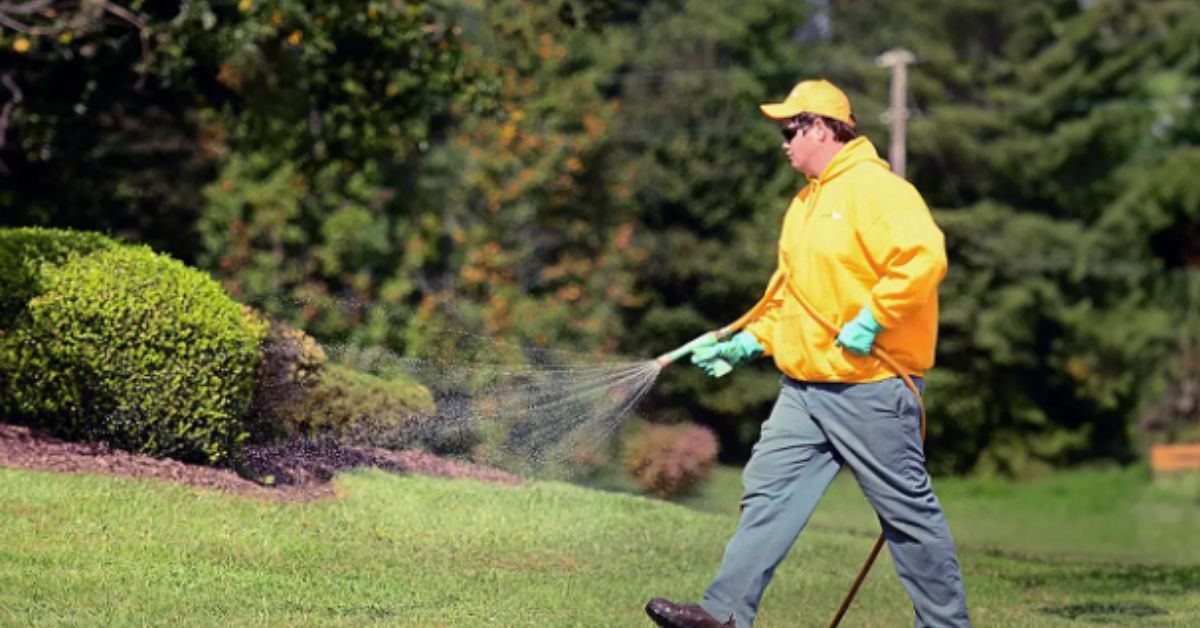
A beautiful, healthy lawn is the pride of any Kansas homeowner. It’s a space for relaxation, recreation, and creating lasting memories. However, nothing can ruin that idyllic scene faster than a full-blown pest invasion. From the unseen damage of root-eating grubs to the sudden devastation of an armyworm infestation, a variety of pests pose a significant threat to the health and beauty of your turf. For residents of the Kansas City metro area, understanding these threats and knowing when to call in the professionals for pest control in Kansas is crucial. At Lawnscape Specialists, we’ve seen firsthand the damage that common Kansas pests can inflict on a lawn. That’s why our comprehensive lawn care services include targeted lawn pest control for Kansas City and the surrounding areas. This guide will walk you through some of the most common and destructive lawn pests in our region, explain the damage they cause, and detail how our professional pest management services can protect your investment and keep your lawn looking its best. The Hidden Enemy: Understanding White Grubs One of the most insidious and damaging lawn pests in Kansas is the white grub. These C-shaped, milky-white larvae are the immature form of several species of beetles, most notably the Japanese beetle and the June beetle. Grubs live just below the soil surface and feed on the root systems of your grass. A small grub population is normal and generally not a cause for concern. However, when their numbers get out of control, they can cause widespread and severe damage to your lawn. Signs of a Grub Infestation In the early stages, a grub problem can be difficult to detect. As the grubs feed on the roots, you may notice a general thinning of your turf and a lack of vigor. As the infestation progresses, you’ll begin to see large, irregular patches of brown, dead grass. This is because the root system has been so severely damaged that the grass can no longer absorb the water and nutrients it needs to survive. A tell-tale sign of a severe grub infestation is the ability to roll back the turf like a carpet, revealing the grubs feeding underneath. Another sign of a grub problem is an increase in animal activity on your lawn. Moles, skunks, and raccoons all feed on grubs, and they will often dig up your lawn in search of a meal. If you notice an unusual number of small holes or tunnels in your yard, it’s a good indication that you may have a grub problem. Professional Grub Control in Kansas When it comes to grub control in Kansas, timing is everything. The most effective way to manage grubs is to treat them preventatively, before they have a chance to cause significant damage. At Lawnscape Specialists, our 6-step lawn care program includes a preventative grub control application in the early summer. This treatment targets the grubs when they are small and most vulnerable, effectively eliminating them before they can become a major problem. If you already have an existing grub infestation, we also offer curative treatments. These applications are designed to eliminate the grubs that are currently feeding on your lawn. However, it’s important to note that curative treatments are most effective when applied in the late summer or early fall, when the grubs are actively feeding near the surface. By trusting your lawn to the professionals at Lawnscape Specialists, you can be confident that you’re getting the right treatment at the right time for effective mole control and lawn pest management in Kansas. The Voracious Invader: Battling Armyworms While grubs work their destruction out of sight, armyworms are a much more visible and rapidly destructive pest. These striped caterpillars are the larvae of a non-descript brown moth. They get their name from their habit of moving in large groups, or “armies,” as they march across a lawn, consuming everything in their path. An armyworm infestation can appear seemingly overnight and can completely decimate a lawn in a matter of days. Identifying an Armyworm Problem Armyworms are most active in the late summer and early fall, particularly after a period of drought followed by rain. The first sign of an armyworm problem is often a collection of birds feeding on your lawn. The birds are attracted to the caterpillars and can be a good early indicator of an infestation. As the armyworms feed, you’ll notice small, circular bare spots in your lawn. These spots will quickly grow larger as the armyworms continue to feed. In a severe infestation, you may be able to see the caterpillars themselves, particularly in the early morning or late evening. Professional Armyworm Control in Kansas City Due to the speed at which armyworms can destroy a lawn, a quick response is essential. If you suspect you have an armyworm problem, it’s important to contact a professional lawn care company immediately. At Lawnscape Specialists, we have the products and expertise to quickly and effectively eliminate armyworms from your lawn. Our fast-acting treatments will stop the armyworms in their tracks, preventing further damage to your turf. Following an armyworm infestation, it’s often necessary to perform some level of lawn renovation. This may include core aeration and overseeding to help your lawn recover and fill in the bare spots. Our team can assess the damage and recommend the best course of action to get your lawn back to its former glory. When it comes to pest extermination in Kansas, a proactive and professional approach is always the best defense. Other Common Lawn Pests in Kansas While grubs and armyworms are two of the most destructive lawn pests in our area, there are several others that can cause problems for Kansas homeowners. Sod webworms are small, grayish-tan caterpillars that feed on the blades of your grass at night, creating small, brown patches in your lawn. They are most active in the summer and can be controlled with a targeted insecticide application. The damage from sod webworms can escalate quickly, so early detection and treatment are essential. Billbugs are weevils that lay their eggs in the stems of your grass. The larvae then tunnel down into the crown and roots, causing the grass to turn yellow and die. A preventative treatment in the spring is the most effective way to control billbugs. Unlike some other pests, billbugs can overwinter in your lawn, making year-round management important. Chinch bugs are tiny insects that feed on the sap of your grass, injecting a toxin that causes the grass to turn yellow and then brown. They are most active in the hot, dry parts of the summer and can be controlled with a targeted insecticide application. Chinch bug damage often appears in patches and can spread rapidly if left untreated. While mosquitoes do not damage your lawn directly, they can certainly make it difficult to enjoy your outdoor space. Our professional mosquito control services can significantly reduce the mosquito population in your yard, allowing you to take back your outdoor living space. Mosquito control is particularly important in the summer months when these pests are at their most active and problematic. The Importance of Integrated Pest Management One of the most effective approaches to lawn pest control is integrated pest management, or IPM. This strategy combines multiple tactics to manage pests in the most effective and environmentally responsible way possible. Rather than relying solely on chemical treatments, IPM uses a combination of cultural practices, preventative treatments, and targeted applications to keep pest populations under control. Cultural practices might include proper lawn maintenance, such as maintaining the correct mowing height and watering practices. These practices can help keep your lawn healthy and more resistant to pest damage. Preventative treatments, such as the grub control application in our 6-step lawn care program, can stop pests before they become a major problem. And when necessary, targeted treatments can be applied to address specific pest issues. This holistic approach not only protects your lawn but also minimizes the impact on beneficial insects and the environment. It is a philosophy that has guided our pest management practices for years. Your Partner in Professional Pest Control in Kansas City A healthy, beautiful lawn requires more than just regular mowing and watering. It also requires a proactive and professional approach to pest control. At Lawnscape Specialists, we have the knowledge, experience, and products to protect your lawn from the wide variety of pests that call Kansas home. Our integrated pest management approach focuses on prevention and targeted treatments, ensuring that we’re only applying products when and where they’re needed. If you’re tired of battling pests on your own, we’re here to help. Our team of experienced professionals is dedicated to providing the best pest control service in Kansas City. We’ll work with you to create a custom pest control program that meets your specific needs and helps you achieve the healthy, pest-free lawn you’ve always wanted. Ready to protect your lawn from damaging pests? Contact Lawnscape Specialists today for a free estimate!
By Champagne Reid January 3, 2026
As a homeowner in Kansas, you know that a lush, green lawn is more than just a patch of grass—it’s a symbol of pride and a backdrop for countless family memories. But achieving that perfect lawn in the unique Kansas climate can be a challenge. With fluctuating temperatures, unpredictable rainfall, and a variety of persistent weeds and pests, a one-size-fits-all approach simply won’t cut it. That’s where a specialized 6-step lawn care program for Kansas comes in, designed to give your turf exactly what it needs, right when it needs it. At Lawnscape Specialists, we’ve spent years perfecting our approach to lawn care in the Kansas City metro area. We understand the local soil, the common turf types, and the specific challenges that Kansas lawns face throughout the year. Our 6-step lawn care program is more than just a service; it’s a comprehensive, year-round strategy to ensure your lawn is not just surviving, but thriving. This guide will walk you through each step of our proven program, explaining the science behind what we do and why it’s the best way to achieve the healthy, beautiful lawn you’ve always wanted. Step 1: Early Spring Pre-Emergent and Fertilization (February-March) The first step in our 6-step lawn care program for Kansas is all about giving your lawn a strong start to the growing season. As the last of the winter frost melts away, your grass begins to wake up from dormancy, hungry for nutrients. At the same time, notorious weeds like crabgrass are preparing to germinate just below the surface. This is a critical window of opportunity to get ahead of the game. We apply a balanced, slow-release fertilizer that provides a steady supply of essential nutrients to your turf's root system. This encourages vigorous top growth and helps your lawn green up quickly. But just as importantly, we apply a pre-emergent herbicide. This creates a barrier in the soil that prevents weed seeds from sprouting. By stopping weeds before they even have a chance to grow, we can significantly reduce the need for post-emergent herbicides later in the season. This proactive approach is a cornerstone of our philosophy for weed control in Kansas lawns. The timing of this first application is critical. Too early, and the pre-emergent may break down before the main flush of weed germination. Too late, and you've missed the window. Our experienced technicians know exactly when to apply these treatments based on soil temperature and weather patterns. This expertise is what separates a professional lawn care service in Kansas City from a do-it-yourself approach. Step 2: Late Spring Weed Control and Fertilization (April-May) As we move into late spring, your lawn is in full growth mode. This is also when broadleaf weeds like dandelions, clover, and chickweed tend to make their appearance. Step two of our program focuses on tackling these invaders while continuing to nourish your grass. We apply a second round of slow-release fertilizer to sustain the healthy growth we initiated in early spring. This ensures your lawn has the energy it needs to thicken up and naturally crowd out weeds. Alongside the fertilizer, we apply a targeted post-emergent weed control treatment. This application is specifically designed to eliminate any broadleaf weeds that may have broken through the pre-emergent barrier. Our experienced technicians are trained to identify and treat a wide variety of common Kansas weeds, ensuring that your lawn remains pristine. This combination of fertilization and weed control while nourishing lawns is what sets our program apart. Step 3: Early Summer Grub Control and Fertilization (June-July) Summer in Kansas can be tough on lawns. The heat and potential for drought can put stress on your turf, making it more susceptible to pests. One of the most destructive lawn pests in our area is the white grub. These beetle larvae feed on the roots of your grass, causing large, irregular brown patches that can be devastating to your lawn. Step three of our 6-step lawn care program for Kansas is a preventative grub control application. We apply a specialized treatment that targets grubs before they have a chance to cause significant damage. This is a crucial step in protecting your investment and ensuring the long-term health of your lawn. We also apply a summer-blend fertilizer that is lower in nitrogen to avoid stressing the grass during the hot summer months. This helps your lawn maintain its color and vigor without promoting excessive growth that would require more water. Step 4: Late Summer Lawn Evaluation and Spot Treatment (August) Late summer is a time for assessment and targeted action. The stresses of summer—heat, drought, foot traffic, and pests—can take a toll on even the most well-cared-for lawns. Step four is all about identifying and addressing any specific issues that may have arisen. Our technicians will carefully inspect your lawn for signs of stress, disease, or insect activity. We’ll also look for any breakthrough weeds that may have appeared. Based on this evaluation, we’ll apply targeted spot treatments as needed. This might include a fungicide to control a developing disease, an insecticide to address a specific pest problem, or a post-emergent herbicide to eliminate any stubborn weeds. This customized approach ensures that we’re only applying treatments where they’re needed, which is both effective and environmentally responsible. This is a key part of our custom lawn care program in Kansas. Step 5: Early Fall Core Aeration and Overseeding (September-October) As the temperatures begin to cool down in the fall, we enter what is arguably the most important time of year for lawn care in Kansas. The soil is still warm, but the air is cooler, creating the perfect conditions for root growth. Step five of our program is designed to take full advantage of this optimal growing window. We perform core aeration, which is the process of pulling small plugs of soil from your lawn. This helps to relieve soil compaction, allowing air, water, and nutrients to penetrate deeper into the root zone. It also stimulates new root growth, which is essential for a thick, healthy lawn. Following aeration, we overseed your lawn with a high-quality blend of turf-type tall fescue seed. This helps to fill in any thin or bare spots and introduces new, improved grass varieties into your lawn. Lawn aeration and seeding in Kansas are critical for building a resilient and beautiful lawn. Step 6: Late Fall Winterizer Fertilization (November-December) The final step of our 6-step lawn care program for Kansas is all about preparing your lawn for the long winter ahead. Just because the top growth has slowed down doesn't mean your lawn's roots have stopped working. In fact, late fall is a crucial time for root development and nutrient storage. We apply a winterizer fertilizer that is high in potassium. This nutrient helps to improve your lawn's cold hardiness and disease resistance, allowing it to better withstand the stresses of winter. It also provides a final boost of nutrients that your lawn will store in its roots and use to green up quickly next spring. This final application is the key to ensuring that your lawn emerges from winter healthy, strong, and ready for another year of beautiful growth. The winterizer application also helps to strengthen the turf and prepare it for the freeze-thaw cycles that are common in Kansas winters. A well-nourished lawn is much more resilient and can better recover from winter damage. By completing the full 6-step lawn care program for Kansas, you're setting your lawn up for success year after year. Why Choose a Professional 6-Step Lawn Care Program? You might be wondering if a professional 6-step lawn care program for Kansas is really necessary. After all, you can purchase fertilizers and weed control products at any garden center and apply them yourself. However, there are several compelling reasons why working with a professional lawn care company is the smarter choice. First, professionals have access to higher-quality products that are not available to the general public. These products are often more effective and longer-lasting than consumer-grade alternatives. Second, timing is everything in lawn care. Applying treatments at the wrong time of year can be ineffective or even harmful to your lawn. Our team knows the exact window for each application based on soil temperature, weather patterns, and the growth cycle of both your grass and common weeds. Third, we can customize the program to your specific lawn's needs. Not all lawns are the same. Soil type, sun exposure, existing turf conditions, and other factors all play a role in determining the best approach. Finally, by investing in a professional lawn care program, you're not just getting treatments—you're getting peace of mind. You can trust that your lawn is in the hands of experts who are committed to its health and beauty. Your Partner in Professional Lawn Care in Kansas City Achieving a beautiful lawn in Kansas is a year-round commitment, but it doesn't have to be a chore. With the right knowledge, the right products, and the right timing, you can have the lush, green lawn you've always dreamed of. Our 6-step lawn care program for Kansas is the result of years of experience and a deep understanding of the local environment. We take the guesswork out of lawn care, so you can spend less time working on your lawn and more time enjoying it. If you're ready to transform your lawn, we're here to help. Our team of experienced professionals is dedicated to providing the best lawn care service in Kansas City. We'll work with you to create a custom lawn care program that meets your specific needs and helps you achieve your goals. Whether you're dealing with a thin, struggling lawn or simply want to take your already-healthy turf to the next level, our comprehensive program has the solution. Ready for a greener, healthier lawn? Contact Lawnscape Specialists today for a free estimate!
By Dave Hagedorn December 30, 2025
It’s December 30th, and the year is almost over. As homeowners across the Kansas City Metro prepare for the new year, this final week of December offers a perfect opportunity to evaluate how your lawn handled early winter — and what it may need heading into 2026. Even though your grass is dormant, the signs you see today can tell you a lot about root health, soil condition, moisture levels, and the type of care your yard will benefit from in the months ahead. At LawnScape Specialists, we spend this time every year helping homeowners in Parkville, Liberty, Gladstone, Platte Woods, and Weatherby Lake identify early indicators of winter stress. A simple end-of-year lawn review now can prevent surprises in spring and make planning easier once temperatures begin to rise. This guide walks you through the most important factors to evaluate during this final week of 2025 — with practical steps you can take to protect your lawn through the coldest weeks of winter. When appropriate, we’ll reference LawnScape’s 6-Step Lawn Care Program, which provides the long-term structure lawns rely on for seasonal resilience. Why December 30th Is the Ideal Moment for a Winter Lawn Check Between Christmas and New Year’s, the lawn experiences a unique combination of conditions: Freeze–thaw cycles create expansion and contraction in Kansas City’s clay soils. Dry winds pull moisture from the soil surface. Foot traffic increases during holiday gatherings. Decorations remain in place longer than usual. Short daylight hours slow soil drying after frost. This mix of stressors makes late December the perfect time to evaluate how your lawn is coping — and to determine what support it may need during January’s deepest cold. End-of-Year Lawn Evaluation Checklist This practical, homeowner-friendly inspection helps you understand the current condition of your lawn quickly and clearly. 1. Look for Pale, Thin, or Weak Spots Even though dormancy naturally produces a brown color, extremely pale or thinning areas often point to: previous frost damage, compaction, shade-related stress, or mold development beneath the surface. 2. Check for Matted Grass or Debris Pockets Leaf mats or compacted grass in shaded zones can indicate early-stage winter mold — especially near fences, under decorations, or around tree drip lines. 3. Assess Soil Moisture Use a screwdriver to check the top 2–3 inches. Kansas City’s dry winter air often leads to surface dehydration, which weakens the turf crown. Light watering (only during above-freezing windows) may help stabilize moisture. 4. Inspect High-Traffic Patterns Frozen turf that has been repeatedly walked on often shows pressed areas or “footprint trails.” These areas need protection during January’s freeze. 5. Look for Uneven Freezing or Drainage Issues Low spots may appear wetter or icy, while high spots may appear dry and brittle. Both indicate areas that will need early-spring attention. How to Strengthen Your Lawn Before January’s Deep Freeze Based on what we typically see across Kansas City in late December, these steps offer the most protection heading into the coldest weeks of winter: 1. Remove All Moisture-Trapping Debris Lift holiday decorations, remove leaf mats, and clear any spots where moisture has collected. This prevents mold from forming in January. 2. Reduce Foot Traffic on Frozen Turf Frozen grass blades crack easily. Protect weakened zones by guiding people toward paved paths. 3. Apply Light Watering — Only When Conditions Allow If soil is extremely dry and temperatures stay safely above freezing for several hours, moisture support can help prevent winter desiccation. 4. Mark Sensitive Areas Use flags, stakes, or small décor markers to indicate where foot traffic should be avoided, especially around patchy or shaded spots. 5. Make a Spring Plan Based on What You See Notes you take today will help guide early-spring decisions related to: aeration, overseeding, fertilization timing, soil improvement, and pest prevention needs. These tasks are foundational parts of the 6-Step Lawn Care Program , which aligns your lawn’s needs with seasonal timing. How to Decide What Your Lawn Needs Most Going Into 2026 Use this end-of-year decision framework to prioritize the areas that will impact your lawn the most in the coming months. 1. Do you have heavy shade? Your biggest risk is mold. Keep shaded areas clear and avoid all foot pressure. 2. Is your soil clay-dense? Kansas City’s clay expands aggressively when frozen. Focus on moisture stability and limiting compaction. 3. Was fall aeration or overseeding skipped? Your lawn may enter spring weaker. Planning early for turf recovery is essential. 4. Did your lawn experience holiday traffic? Prioritize protecting stressed areas heading into January. 5. Are you seeing pale or patchy spots today? This may point to early winter stress — note these areas for early spring care. Related Seasonal Insight For a deeper understanding of how fall preparation impacts winter lawn health, visit the related LawnScape Specialists blog: how to prepare your lawn for fall in the Kansas City Metro . It connects many of today’s observations to earlier-season care. When to Bring in a Lawn Care Professional If your lawn appears stressed — or if you’d like clarity about what to expect heading into 2026 — a winter lawn evaluation can give you a clear roadmap. Our team examines drainage, freeze patterns, soil structure, shaded areas, and early stress signs unique to your property. Many homeowners use this final week of December to secure their place in next year’s 6-Step Lawn Care Program , ensuring their yard receives consistent, seasonal care from early spring onward. Start the New Year With a Healthier, More Resilient Lawn Your lawn may be dormant, but your planning doesn’t have to be. If you’d like guidance on winter protection, spring preparation, or long-term lawn health, we’re here to support you as you head into a new year. Contact LawnScape Specialists to schedule a winter evaluation or begin planning your 2026 lawn care strategy.
By Dave Hagedorn December 29, 2025
It’s December 18th, and with only days left until Christmas, lawns across the Kansas City Metro are facing one of the quietest but most damaging winter threats: lawn mold . While your grass may look safely dormant, December moisture levels, shaded areas, and debris accumulation create the perfect conditions for winter fungal activity — especially as temperatures hover between freezing and thawing. Across Parkville, Gladstone, Liberty, Platte Woods, and Weatherby Lake, we see the same pattern every year: homeowners finish their fall cleanup, the weather turns colder, and then hidden pockets of moisture begin to settle into the lawn. When this moisture gets trapped under leaves, pine needles, snow dustings, or even holiday décor, mold can develop quickly and won’t be noticeable until spring — when it appears as dead, matted, greyish patches. Today’s guide explains how winter lawn mold develops, how to identify the early warning signs during the week of December 18th, and what you can do now to protect your grass before winter fully sets in. Where useful, we’ll refer to LawnScape Specialists’ 6-Step Lawn Care Program , which strengthens soil and turf resilience year-round. Why Mold Risk Spikes in Mid-December December 18th is an important tipping point. By now, we’ve had several freezes–thaw cycles, holiday foot traffic, reduced sunlight, and a mix of dry days followed by moisture. These conditions create an environment where mold thrives under the surface. Here’s why mold risk increases right now: Shaded areas stay frozen longer , trapping moisture beneath the surface. Wet leaves or pine needles insulate the lawn, reducing airflow. Holiday decorations compress grass and restrict drying. Shorter daylight hours slow evaporation of morning frost. Kansas City’s clay soil retains moisture longer after thawing. Once mold begins forming in winter, it typically sits unnoticed until spring — when homeowners find large circular dead patches that require repair. But with the right prevention steps this week, you can minimize the risk dramatically. How to Identify Early Signs of Winter Lawn Mold Even though mold often develops beneath surface debris, early clues are visible if you know what to look for. 1. Matted, “Spongy” Patches If any section of your lawn looks pressed down, wet, or sponge-like, it may be developing mold beneath the surface layer. 2. Pale or Greyish Tint on Dormant Grass Dormant grass should look golden-brown. Grey, dull, or ashy tones can indicate fungal activity. 3. Areas That Never Fully Thaw North-facing zones, shaded corners, or areas near fences often hold frost all day — a classic mold hotspot. 4. Leaf Buildup or Moisture Traps Areas under inflatables, lights, or snowed-over decorations tend to develop mold faster than open lawn space. Mid-December Mold Prevention: What to Do Right Now Below are the steps our team recommends taking during the week of December 18th to protect your lawn from mold heading into the deep freeze. 1. Clear All Moisture-Trapping Debris Lift holiday decorations, check around light stakes, and remove any wet leaves or pine needles. Mold forms fastest under compacted debris. 2. Gently Loosen Any Matted Grass Use a light touch — just enough to let air flow through the crown. Avoid aggressive raking, which can damage dormant grass. 3. Improve Airflow in Shaded Areas Trim back any low-hanging branches or remove objects blocking airflow in shaded sections. Even a small improvement in airflow reduces mold risk. 4. Avoid All Foot Traffic on Frozen Grass Footsteps on frost-damaged turf weaken the crown and increase vulnerability to mold spread. 5. Water Sparingly and Only When Conditions Permit If your soil is extremely dry and temperatures stay above freezing, light watering can stabilize the turf. But avoid watering before a predicted freeze. 6. Move Heavy Holiday Decorations Every Few Days This prevents weight-related compaction and stops moisture from settling beneath large ornaments or inflatables. How to Decide if Your Lawn Is High-Risk for Mold This decision framework helps Kansas City homeowners determine whether mold prevention should be a top priority this week. 1. Do you have heavy shade in winter? If parts of your lawn remain frozen until afternoon, mold risk is high. 2. Do you have dense leaf or needle drop? Homes with oak, maple, or evergreen trees see more mold formation. 3. Do you have clay soil? Kansas City's clay-rich soil retains moisture, increasing mold susceptibility. 4. Was fall cleanup late or incomplete? Mold often forms where leaf mats were not fully cleared. 5. Have you seen pale patches already? Early discoloration often signals developing mold beneath the surface. Related Seasonal Insight For additional context on how fall preparation influences winter fungal resistance, see LawnScape Specialists’ blog: how to prepare your lawn for fall in the Kansas City Metro . When to Call a Professional If you’re seeing early signs of mold — or if past winters have left your lawn patchy or thin — a professional evaluation can prevent those issues from returning. Our team assesses drainage, shade patterns, moisture levels, and soil structure to build a prevention plan that fits your property. Many homeowners use this week to begin planning for next year’s 6-Step Lawn Care Program, ensuring their lawn has stronger year-round protection against mold, drought, and freeze–thaw stress. Keep Your Lawn Healthy Through the Rest of Winter With Christmas approaching and temperatures fluctuating, now is the perfect moment to take a few simple steps that protect your lawn from mold growth. Catching problems early prevents long-term damage and helps your yard bounce back stronger in spring. Contact LawnScape Specialists to schedule a winter mold assessment or plan your lawn care strategy for the new year.
December 25, 2025
It’s December 9th, and the Kansas City Metro is settling into colder, sharper weather as we move closer to the holidays. This is the point in the month when sudden temperature swings — freezing nights followed by brief midday thaws — can put real stress on your lawn. Even though your grass is dormant, the root system is still active beneath the soil, and the way it handles mid-December conditions will influence how well it rebounds in spring. One of the most common issues we see across Parkville, Platte City, Gladstone, Liberty, and Weatherby Lake this time of year is winter crown damage : the visible thinning, discoloration, or weakening of grass caused by freeze–thaw cycles. Today’s blog explains how these temperature fluctuations affect your lawn and what you can do right now to minimize winter injury. Where helpful, we’ll reference LawnScape Specialists’ 6-Step Lawn Care Program , which provides the year-round structure that helps lawns stay strong through winter stress. Why Mid-December Is a Critical Stress Point for Kansas City Lawns The Kansas City area is known for quick, unpredictable temperature changes in December. A cold front can drop temperatures into the teens overnight and then bounce back into the 40s the next afternoon. While humans adjust easily, lawns do not. Here’s what these swings do to your turf: Freeze–thaw cycles expand and contract the soil , stressing root systems. Frozen grass blades become brittle , breaking under foot traffic. Rapid thaws trigger moisture runoff , which can dry out the soil surface. Certain areas — like shaded zones — stay frozen for days , increasing the risk of winter mold. These challenges are especially common in clay soils found throughout the Kansas City Metro. Without proper winter protection, lawns often emerge in spring looking weak or patchy. How to Protect Your Lawn During Freeze–Thaw Weather Fortunately, mid-December lawn care focuses on simple but highly effective steps that homeowners can apply quickly. 1. Avoid Walking on Frosted Grass This is the #1 cause of winter blade damage. Frozen grass snaps easily under pressure, leaving visible tracking patterns that last into spring. Encourage kids and pets to stick to sidewalks or mulched areas during frosty mornings. 2. Keep Debris Off the Lawn During early December winds, branches, leaves, and yard debris blow into lawn areas and trap moisture. Clearing this prevents mold development and allows sunlight to warm the soil surface naturally. 3. Strengthen Soil Moisture Before Cold Fronts Dry soil freezes harder and expands more aggressively. Light watering — only when temperatures remain safely above freezing — can help stabilize sensitive areas. If you’re unsure how to water safely in winter, review our recent article on seasonal lawn preparation . 4. Protect High-Traffic Zones Side yard paths, pet routes, or shortcut walkways become brittle when frozen. Consider laying temporary stepping stones or redirecting foot traffic to avoid winter compaction and blade damage. 5. Inspect for Areas That Stay Frozen Longer Shaded sections on the north side of homes or beneath evergreen trees often freeze early and remain frozen even during warmer afternoons. These areas need special protection because grass crowns are more likely to break under pressure. How to Know If Your Lawn Is at Risk of Mid-December Damage Below is an evaluation framework based on patterns we commonly see in Kansas City lawns. This helps homeowners understand whether their yard needs additional winter protection. 1. Sun Exposure Pattern Lawns with limited winter sun — especially shaded by fences or tall trees — are more prone to frost and mold. These areas require stricter traffic restrictions. 2. Soil Type & Compaction If your soil is clay-heavy or hasn’t been aerated recently, it will expand more aggressively during freeze cycles. You’ll see early signs of stress in high-traffic areas first. This is exactly why our 6-Step Lawn Care Program includes aeration and soil-building steps. 3. Drainage Patterns Low spots that stay wet are more likely to freeze solid. Conversely, raised areas dry out quickly and can become brittle. Both require different winter care strategies. 4. Fall Preparation Level If your fall fertilization or leaf removal was delayed, your lawn may enter winter slightly weakened. This increases sensitivity to freeze–thaw stress. Related Insight: How Fall Preparation Reduces Winter Damage Much of your lawn’s winter strength is built during fall. If you’d like to understand why certain lawns survive winter stress better than others, revisit LawnScape Specialists’ article how to prepare your lawn for fall in the Kansas City Metro . This resource explains how aeration, overseeding, and balanced fertilization set up a stronger winter foundation. Common Mistakes Homeowners Make During Mid-December Walking across frosted grass (leads to long-lasting “frost tracks”). Leaving leaf piles in shaded corners (creates ideal mold conditions). Watering too close to freezing temperatures (risks ice formation). Allowing pets to use the same frost-covered route daily (causes compaction and crown breakage). Avoiding these mistakes protects your lawn during its most vulnerable weeks. When to Call a Professional If your yard has uneven freezing, visible thinning, or chronic drainage issues, a professional inspection can prevent small winter problems from becoming spring repair projects. Our team evaluates soil condition, moisture levels, freeze patterns, and previous season treatments to build a protection plan tailored to your property. This is also a great time to discuss enrolling in our 6-Step Lawn Care Program so your lawn enters next winter with stronger soil structure and deeper resilience. Keep Your Lawn Protected Through the Coldest Weeks Winter stress is normal in Kansas City, but with the right December protection steps, your lawn can withstand freeze–thaw cycles and emerge in spring stronger than ever. If you’d like personalized guidance based on your yard’s soil, shade pattern, and freeze exposure, we’re here to help. Contact LawnScape Specialists for a winter assessment and early-spring planning consultation.
By Dave Hagedorn December 25, 2025
Merry Christmas from all of us at LawnScape Specialists! As families across the Kansas City Metro gather to celebrate, your lawn is experiencing one of the coldest weeks of the winter season. While today is all about relaxing, enjoying time with loved ones, and creating memories, a few small, low-effort habits can help protect your lawn during the holiday celebrations — especially with increased foot traffic, frozen turf, and shifts in temperature. Across Parkville, Platte City, Gladstone, Liberty, and Weatherby Lake, we often hear from homeowners in early spring who are surprised by lawn damage that traces back to Christmas week. Frozen grass blades, compacted areas beneath decorations, and hidden leaf mats trapped under snow or moisture commonly appear right after December 25th. This Christmas Day guide is simple, gentle, and practical — no chores, just small awareness-based steps you can take to keep your lawn healthy while enjoying the holiday. Why Christmas Day Can Be Hard on Your Lawn Christmas Day brings unique lawn conditions across Kansas City: Frozen grass during morning gift-opening hours when kids run outside. Increased foot traffic from guests, delivery drivers, or holiday photos. Decorations sitting in place for weeks , compressing turf. Moisture trapped under snow dustings or overnight frost. Sunny but dry afternoons that pull moisture from the soil. Managing these conditions doesn’t require heavy work — just mindful holiday habits. Christmas Day Lawn-Friendly Habits These are simple, no-effort adjustments you can make during your celebration today. 1. Keep Foot Traffic on Sidewalks & Driveways Frozen turf snaps easily beneath footsteps. Create a natural flow for guests by placing pathway lighting, lanterns, or décor that gently guides people away from the lawn. 2. Avoid Walking on Frosted Grass Christmas morning frost is common in Kansas City. Even one or two footsteps can create lasting “frost tracks” that appear as brown streaks in spring. 3. Lift or Shift Heavy Decorations If you’re outside today, take a moment to gently lift and reset inflatables, nativity sets, or light props. This prevents prolonged compaction that weakens turf crowns. 4. Check for Leaf Mats Under Decorations Leaf debris often hides under cords or displays. Clearing even small patches helps prevent winter mold. 5. Keep Pets on Designated Paths Dormant grass is more fragile than it looks. Guiding pets to use the same walkway extends turf protection when the soil is frozen. How to Decide Which Steps Matter Most Today 1. Hosting Guests? Focus on protecting frozen turf by keeping traffic on hard surfaces. 2. Lots of Holiday Decorations? Lift and shift heavy décor items — this prevents compaction and moisture traps. 3. Shaded or North-Facing Lawn? These areas stay frozen all day. Avoid foot traffic entirely. 4. Pets or Kids Running Outside? Frozen grass plus high activity = spring damage. Set easy boundaries. 5. Clay Soil (very common in KC)? Your lawn is more prone to soil expansion and crown injury — prioritize keeping people off frozen zones. Related Seasonal Insight To understand how fall preparation strengthens your lawn for winter resilience, visit our related article: how to prepare your lawn for fall in the Kansas City Metro . It explains why lawns that were aerated, fertilized, and properly cleaned up in the fall tend to experience less winter stress. A Christmas Message From LawnScape Specialists Winter lawn care doesn’t need to be complicated — especially not on Christmas Day. Simple awareness goes a long way in protecting your lawn during the coldest weeks of the year. Our Kansas City team is grateful for the trust homeowners place in us all year long, and we’re committed to keeping your lawn strong, healthy, and ready for spring. If you’d like help evaluating winter conditions or planning next year’s care, our 6-Step Lawn Care Program is designed to give your lawn what it needs at every stage of the year. Wishing You a Merry Christmas and a Healthy Lawn for the New Year If you’d like expert advice tailored to your property or want to begin planning your 2026 lawn care strategy, we’re here to support you. Contact LawnScape Specialists anytime — and enjoy a wonderful Christmas with your family.
December 23, 2025
It’s December 4th, and the Kansas City Metro is entering that familiar stretch of cold nights, dry air, and unpredictable daytime temperatures. This is the time of year when homeowners frequently ask us a surprising question: “Should I still be watering my lawn in early December?” The answer is more important than most people realize. Even though your lawn is dormant, moisture levels in December directly impact how well your grass survives winter stress and how quickly it greens up in spring. In fact, one of the most common issues we see across Parkville, Liberty, Platte City, and Gladstone is winter root dehydration — a problem that often starts right now, in the early December dryness. This guide explains exactly when winter watering matters, how to do it safely, and how to decide whether your lawn needs it based on Kansas City’s local conditions. For services tied to year-round lawn health, we reference our 6-Step Lawn Care Program , which addresses the underlying soil needs that affect winter hydration. Why Early December Can Cause Winter Lawn Dehydration Most homeowners think frozen soil is the biggest winter risk. In reality, the biggest danger in early December is dryness . Cold air has extremely low humidity, and wind patterns in the Kansas City Metro strip moisture from the soil quickly. Here’s what we repeatedly observe this time of year: Dry air pulls water from soil faster than most people expect . Cool, sunny days evaporate moisture even when the grass isn’t growing. No recent rainfall creates a 2–3 inch dry layer that weakens root systems. Evergreen trees and shrubs compete for moisture , increasing stress around their root zones. These conditions — especially when combined with compacted clay soils common in the KC area — leave lawns vulnerable to winter desiccation. A dehydrated lawn often emerges in March looking pale, patchy, or thin, even if it was healthy in fall. How to Water Your Lawn Safely in Early December Winter watering must be done differently than during the growing season. These steps ensure you support your lawn without causing ice-related damage. 1. Water Only When Temperatures Are Above Freezing Choose days when the temperature is at least **40°F** during the watering period and stays above freezing for several hours afterward. This prevents water from freezing on the lawn’s surface and damaging the crown of the grass. 2. Water During Midday Midday sunlight helps water soak into the soil before temperatures drop again in the evening. 3. Use a Light, Even Application You’re not trying to saturate the lawn — just restore moisture to the top few inches of soil. A light 10–15 minute cycle is usually sufficient. 4. Check Sloped Areas and High Spots These areas dry out faster than flat zones. Pay special attention to them, as they often require slightly more water than lower-lying sections. 5. Avoid Watering Before a Freeze Wet soil that freezes rapidly can damage grass roots. Always check the forecast for overnight lows. How to Decide If Your Lawn Needs December Watering Here’s a simple evaluation framework based on what our team sees in the Kansas City Metro. These decision rules help you assess your lawn’s actual condition instead of guessing. 1. Check Soil Moisture With the Screwdriver Test Push a screwdriver into the soil. If it penetrates easily 2–3 inches, the moisture level is acceptable. If it feels dry or resists penetration, the topsoil likely needs water. 2. Evaluate Sunny vs. Shaded Spots South-facing areas dry out quickly and often need water earlier than shaded areas. Late fall/early winter sunlight in KC is intense enough to pull moisture from these zones. 3. Consider Recent Weather Patterns Dry, windy weeks = water sooner. Cloudy, damp periods = water less. Snow cover (not common in early December) = no watering. 4. Review Your Fall Lawn Care Routine If your fall lawn preparation included aeration, fertilization, or overseeding, your soil may be better equipped to retain moisture. This ties into the long-term benefits of the 6-Step Lawn Care Program , which strengthens soil structure and improves water retention. Related Insight: Fall Prep Impacts Your Winter Watering Needs Understanding how fall work influences winter watering can be helpful. The existing LawnScape Specialists blog offers a detailed breakdown in the article how to prepare your lawn for fall in the Kansas City Metro , which explains how aeration and soil health decisions made earlier in the year change what your lawn needs right now. Common Winter Watering Mistakes to Avoid To protect your lawn this winter, avoid these frequently observed homeowner errors: Watering heavily — excess moisture can freeze and damage the crown. Watering too late in the day — increases freeze risk. Assuming dormant turf needs no care — roots are still active. Ignoring high-traffic areas — dry soil becomes brittle and compacts easily. Winter watering is a protective measure, not a growth tool. Done correctly, it supports deeper resilience and a faster spring recovery. When It’s Best to Call a Professional Some lawns enter winter already stressed from compaction, shade patterns, drought, or poor soil structure. If you’re unsure what your lawn needs this month, our team can evaluate moisture levels, inspect vulnerable areas, and help build a plan grounded in local Kansas City conditions and long-term care practices. Many homeowners pair winter evaluations with enrollment in our 6-Step Lawn Care Program to ensure their lawn gets consistent, season-appropriate care year-round. Plan Ahead for a Strong Spring Lawn If you’d like support preparing your lawn for the coldest months or want expert advice based on your soil type and property conditions, our team is ready to help. Contact LawnScape Specialists to schedule a winter moisture assessment or build your spring lawn readiness plan now.