The Truth About Spring Overseeding (And Why Most Homeowners Make It Harder Than It Needs to Be)
If you’ve ever tried to overseed your lawn in spring and thought, “Why does this never turn out like the pictures?”, you’re not alone. Homeowners across the Midwest repeat the same yearly ritual: buy the seed, throw it down when the sun feels warm again, water for a week, cross fingers… then spend summer wondering why the lawn still looks patchy.
Here’s the thing most people don’t know: spring overseeding does work — it just needs a different approach than the old “wait until it feels warm” advice we all grew up on.
Let’s talk through it like real people who want a nice looking lawn without turning into full-time botanists.
Why Spring Overseeding Feels Hit-or-Miss
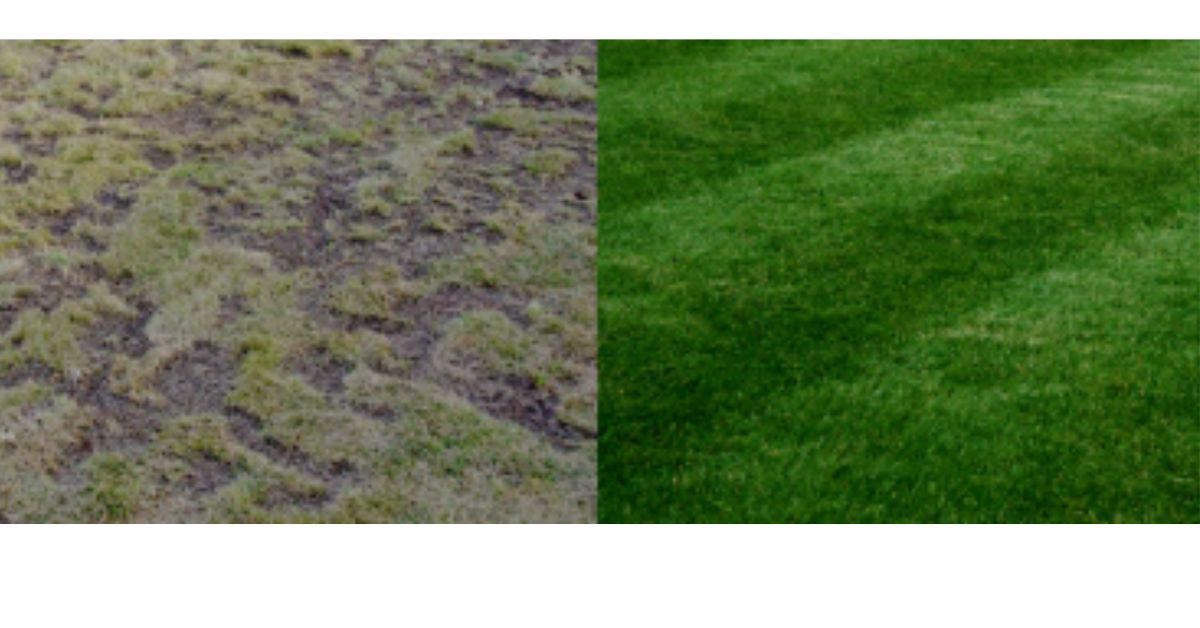
Picture this: you put seed down in April. It sprouts, looks pretty for a minute… then June hits, and suddenly the lawn looks tired, thin, or spotty again. Sound familiar?
This doesn’t happen because you “did it wrong” — it happens because spring is a very particular season for new grass. The weather is all over the place. Some weeks feel like March, then suddenly it’s July. Your grass seed is trying to figure out its life while the weather keeps switching moods.
What homeowners really need is a simple way to understand what conditions help seed settle in before summer stress arrives.
The Three Things That Actually Matter for Spring Seeding
Forget the confusing charts and data. Your seed mainly needs:
- Moisture that sticks around long enough for roots to get comfortable
- Soil that isn’t jumping from cold to warm to cold again
- Existing grass that isn’t bullying the new seedlings
You don’t need to be a lawn scientist to assess these — just a homeowner who knows their yard. When spring weather settles into a steady pattern (not perfect, just steady), that’s usually your green light.
Why Timing Makes Summer Easier
Think of overseeding like giving your lawn a head start before the big summer test. You want seedlings to grow enough roots that they can handle heat, dry spells, and the occasional kid/dog/BBQ traffic without collapsing.
When seed goes down too late in spring, the lawn never gets this head start. And that’s when you start seeing:
- Thin patches popping up in June
- Weeds slipping into gaps
- Hot spots that dry out faster than the rest of the yard
- That “my lawn just looks stressed” vibe
Early overseeding helps your grass be the boss of its own lawn instead of playing catch-up all summer.
What Makes Our Midwest Lawns Special
Our local soils have a reputation. If you’ve ever tried to dig a hole in August, you know exactly what I mean. In spring, though? They’re surprisingly helpful. Cool-season grasses love consistent spring moisture — and our soil naturally hangs onto water early in the season.
So if you overseed while the soil is still in its “helpful” mood, you get stronger root growth and deeper, healthier turf by the time summer rolls around.
This is exactly why timing matters — you want to work with your soil, not against it.
A Simple Spring Overseeding Plan Homeowners Can Actually Follow
Here’s a much more human, no-nonsense way to approach spring overseeding:
1. Early Spring: Take Stock
Walk your yard. Notice thin areas, compacted soil, shady sections. If weeds from last year are already poking through, that’s good information — not a problem. Knowing what you’re working with helps you time things right.
2. Pick a Calm Weather Window
You don’t need perfect temperatures — just a stretch where weather looks somewhat steady. Not drastic cold swings, not sudden heatwaves. “Normal spring” is good enough.
3. Seed Smart
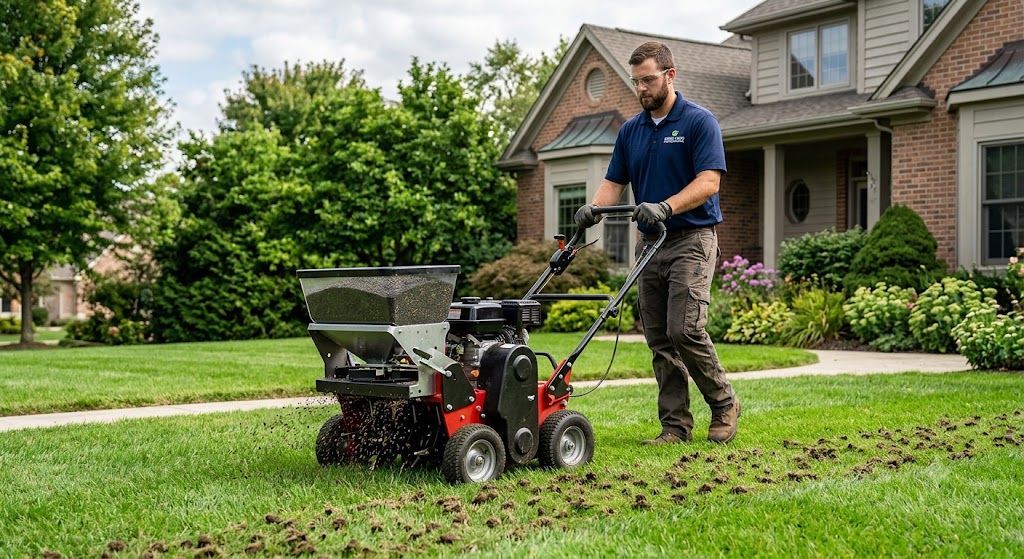
Put seed down when the ground feels consistently soft and workable. Pairing overseeding with the right treatments helps protect those seedlings while they’re getting started. (Our team can help guide you on that as part of our
professional lawn care and overseeding services.)
4. Gentle Care (Not Constant Fussing)
A light, regular watering routine is perfect. No need to drown the lawn. And definitely avoid mowing until seedlings look steady and well-rooted.
Why Many Homeowners Eventually Call a Pro
Most people are absolutely capable of overseeding themselves — if they have time, tools, and the patience to monitor weather patterns. But for a lot of homeowners, spring gets busy fast. Sports, events, family commitments, work… suddenly that small window of “ideal timing” passes without warning.
That’s where professional support makes things easier. A lawn care team that understands local soil, weather quirks, and weed patterns can time overseeding precisely and pair it with the right treatments so you’re not fighting a losing battle all summer.
The Real Goal: A Lawn That Thrives All Year
Spring overseeding isn’t about perfection. It’s about giving your lawn a healthy base so you’re not constantly patching and repairing for the next six months. With the right timing and care, you set yourself up for:
- Thicker turf
- Fewer weeds
- Better summer color
- Less watering stress
- A lawn you actually enjoy looking at
Ready for a Better Spring Season?
If you’re tired of guessing, hoping, or redoing the same lawn projects every year, we can help you build a spring overseeding plan that actually works for your yard — not just one that works “in theory.”
Our
lawn care services are built around local conditions, real homeowner needs, and results that last through summer — without the stress.
Whenever you're ready, we’ll walk your yard, talk through your goals, and create a timing strategy that your lawn (and your sanity) will thank you for.