Lawn Care ROI in Kansas City: How Quality Service Pays You Back
Lawn Care ROI: Kansas City Homeowner’s Guide to Cost-Effective Yard Care

Lawn Care ROI: Kansas City Homeowner’s Guide to Cost-Effective Yard Care
Planning spring lawn care on a budget? You’re not alone. Many Kansas City homeowners wonder if spending money on lawn services or supplies is really worth it. Lawn care ROI (return on investment) isn’t just about dollars and cents – it’s about spending wisely so your lawn stays healthy and problems are avoided later. In practical terms, get your lawn on the right schedule now and you can save on expensive fixes, plus enjoy a yard that looks great. A healthy, green lawn not only feels good to step on, it also makes your home look more attractive, which could help if you ever sell or refinance.
A structured approach – something like a six-step seasonal plan – can help make that investment pay off. Instead of randomly applying treatments or fixing issues as they pop up, focusing on key tasks at the right time covers your lawn’s needs efficiently. In this guide, we’ll explain what lawn care ROI really means for you, then walk through a budget-friendly, six-step lawn care plan to help you get a lush, weed-free yard without overspending.
What Is Lawn Care ROI?
When we say return on investment (ROI) for lawn care, we simply mean getting more value back from the money and time you put into your yard. Think of it like this: every dollar or minute you spend should help avoid bigger costs later or add value to your home. For example, if you apply the right fertilizer at the right time, you might spend less on weed control and watering later. If you fix a small problem before it grows, you save on a big repair or reseeding job down the road.
In Kansas City, a key part of lawn care ROI is avoiding wasted effort and money. For instance, skip an important step like soil testing, and you could guess wrong on what nutrients your grass needs – wasting money on fertilizer that won’t help. Or ignore early weeds, and you may spend more on weed treatments later and risk bare patches. By focusing on the right tasks at the right times (like spring prep, summer care, fall aeration, etc.), you keep your grass strong so it needs fewer repairs later. In other words, ROI in lawn care is about smart choices that make your yard thrive and your spending more effective.
Key Factors for Lawn Care ROI in Kansas City
Your lawn care ROI depends on several local factors. In Kansas City’s climate and soil, some things matter more than elsewhere. Keep these in mind to make the most of your lawn care budget:
- Spring and Seasonal Timing: Kansas City spring weather can change quickly. When the ground warms up, weeds can sprout fast. Applying weed preventative (pre-emergent) early can block spring weeds from popping up. That means you spend less later on pulling or spraying weeds. Likewise, fertilizing once plants start growing gives them a strong start, so they need fewer treatments later. Timing the right task for the season is one of the best ways to protect your investment.
- Soil Health: KC soils often have clay and varying pH. Testing your soil (often a DIY soil test kit or local extension service) tells you exactly what nutrients your yard needs. That way you buy only the right fertilizer instead of guessing. For example, if you learn from a soil test that your soil lacks nitrogen, you focus on that and avoid wasting money on unneeded nutrients. A well-balanced soil leads to healthier grass that resists weeds and disease – saving you work and money later.
- Watering and Mowing Habits: How you water and mow makes a big difference. In hot Kansas summers, watering deeply but only once or twice a week encourages roots to grow deep. That means your lawn stays greener longer without tiny frequent waterings. Use early mornings to water – it cuts evaporation, so you waste less water (and money on water bills). Mowing at the right height is also key. Setting your mower a bit higher shades the soil and helps hold moisture, which crowds out weeds and means the lawn needs less fertilizer or replacement. Proper mowing and watering help your grass outcompete weeds, saving money on herbicides and preserving a thicker yard over time.
- Weed and Pest Prevention: KC lawns are prone to weeds like crabgrass or clover, and sometimes pests like grubs. Preventing these problems is usually cheaper than fixing them after they spread. For example, using a targeted pre-emergent in spring can stop crabgrass from ever appearing. If you see a few weeds later in the season, pull or spot-treat them early so they don’t turn into a big patch. Catching a pest or fungus problem early (or preventing it by mowing at the right height and not overwatering) saves you from a costly and time-consuming restoration job.
By matching your lawn care to these local conditions, you protect your budget. You get a healthier lawn faster because you’re doing the right thing at the right time, not wasting money on extra treatments or fixes.
6 Steps to a Healthy, Budget-Friendly Lawn
A simple six-step plan can cover the essentials each season. Below is a six-step lawn care program you could follow. Each step helps build a lush, weed-free yard over the year. (No need to tackle everything all at once – you can work through these steps as the season goes on.)
- Early Spring Soil Test and Prep – As soon as the ground dries enough in early spring, start with a soil test. This can be a kit from a garden store or through a county extension. The test tells you pH levels and what nutrients your grass needs most. Then do any basic prep: rake up leftover debris, clear out old leaves if you didn’t over-winter them, and fix any bare spots by leveling the soil. Having a healthy soil base saves money by making all other treatments more effective. For example, if the pH is too low, adding lime now will help your spring fertilizer work properly later, instead of spending on fertilizer that washes away.
- Pre-emergent Weed Control – Kansas City lawns often see crabgrass and other weeds germinate in early spring as soil warms. Applying a pre-emergent herbicide (weed blocker) around the right time can prevent weed seeds from ever sprouting. That means fewer weeds to pull or spray later. Ask a local store or pro when exactly to apply (it’s often when forsythia bushes bloom). Investing a little in a pre-emergent now can pay off by cutting next-summer weed growth, which saves on both time and weed-removal chemicals down the road.
- Regular Mowing and Watering Routine – Once your grass starts growing, set up a good routine. Mow often enough so you never cut off more than one-third of the blade at a time (this is often around once a week in spring, slowing to every other week in summer). Keep your mower at a moderate height for your grass type (often around 3 inches). Taller grass shades the soil and keeps moisture in, which crowds out weeds and reduces the need for watering and treatments. Water deeply about once a week (unless it rains) – better to give a long drink infrequently so roots grow deeper, rather than daily sprinkling. Deep roots mean a greener lawn with less stress in hot weather, which means fewer problems and less need for emergency fixes. (Don’t mow wet grass or too short – that can tear up grass and create weak spots that let weeds invade.) By sticking to this schedule, you make sure all your other steps work well, maximizing the return on everything you do.
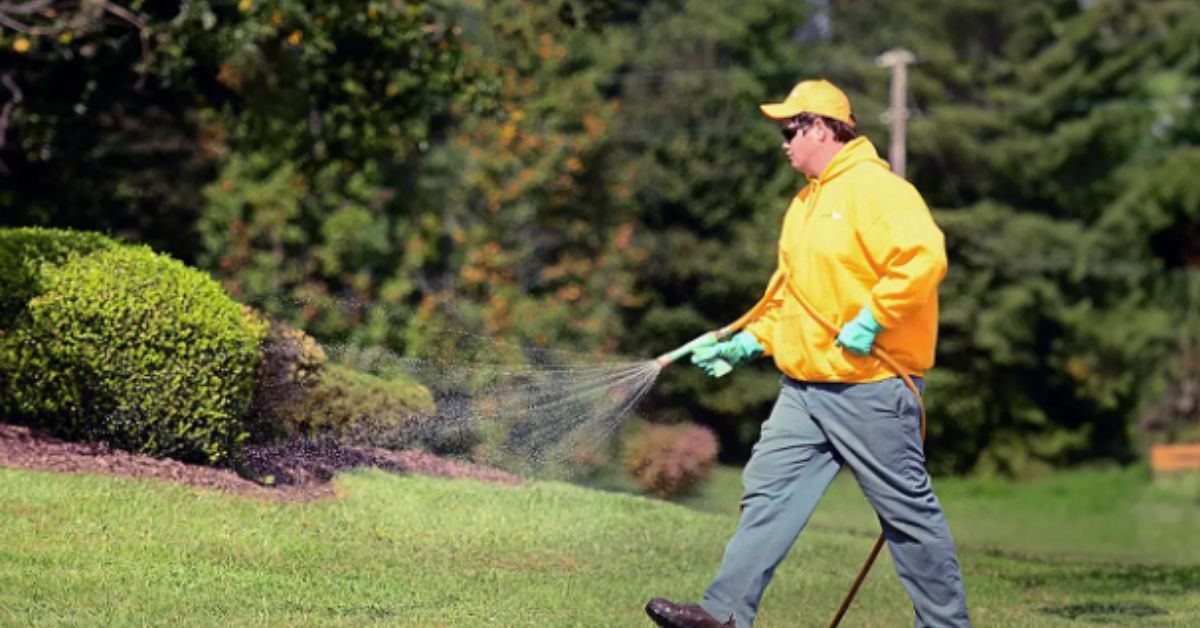
- Targeted Weed and Pest Control – If small patches of weeds or pest damage appear, deal with them promptly. At mid-spring and mid-summer, walk your yard and look for trouble spots. Pull or spot-spray weeds like dandelions or clover by hand if they’re few and far between (hand-weeding is free and avoids killing grass around them). For larger infestations, a measured dose of post-emergent herbicide on trouble spots is more cost-effective than treating the whole yard. If you spot pests (like a patch of dead grass that could be grubs or fungal warm-season spots), treat just that area. This focused approach uses fewer chemicals overall and keeps costs down. It also stops small issues from growing into big (and pricey) problems. Catching a weed or pest early means your lawn stays thicker, which itself helps prevent future weeds, further boosting your ROI.
- Seasonal Fertilization and Overseeding – Feeding your lawn at the right times keeps it strong. In Kansas City, a light fertilizer in early summer (after it’s green and growing) can boost growth, and another application in early fall helps grass store energy before winter. Use a fertilizer balanced for your soil test results. Some experts recommend products with slow-release nitrogen – these feed grass over weeks and reduce the chance of burning it or needing repeat applications. Also, if your lawn has thin or brown spots, overseeding (spreading grass seed) in late summer or fall helps fill them in. A thicker lawn is more weed-resistant and looks nicer. While seed and fertilizer cost money, doing these steps on a schedule usually keeps the lawn in good shape for longer, meaning less money spent on re-sodding or extra treatments later.
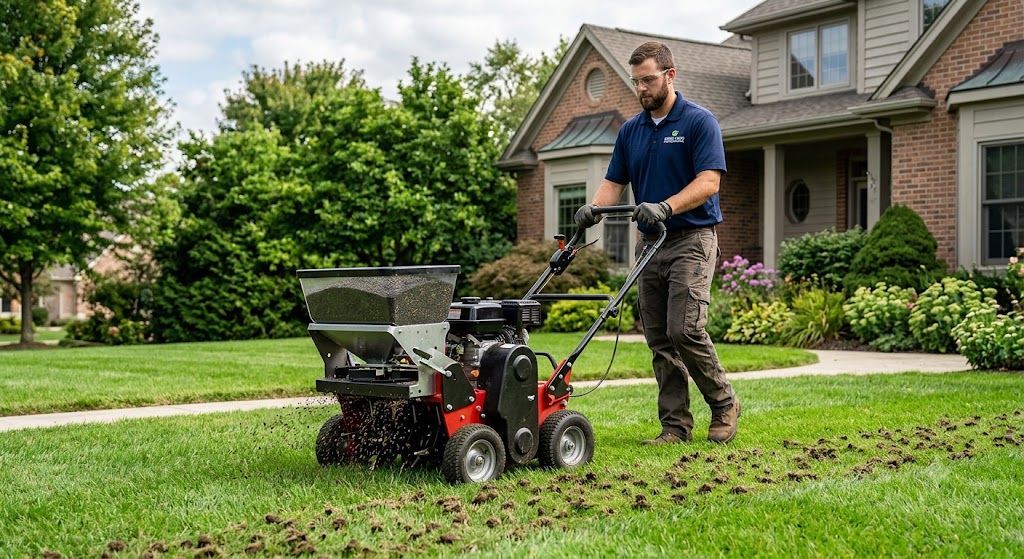
- Fall Aeration and Cleanup – When the intense heat is over, it’s time to prep for next year. Aerating (using a core aerator to pull small plugs of soil) helps loosen compacted ground, especially in clay-heavy Kansas soil. This lets air, water, and nutrients reach the roots more easily. Aerating in the fall, followed by another round of fertilizer, can strengthen grass roots before winter. Also, clear or mulch fallen leaves instead of letting them smother grass. Doing these fall tasks means your lawn bounces back faster in spring, with fewer dead spots to fix. In terms of ROI, it’s much cheaper to spend a little time and maybe rental equipment on aeration now than to pay to rebuild a damaged lawn next year.
Following these six steps organizes your lawn care into clear tasks. Each step aims to prevent big problems and keep costs down. By the end of the year, a lawn that”s been cared for this way will usually be thicker, greener, and harder for weeds to invade – giving you the look you want without wasteful spending.
Maximizing Savings on Lawn Care
Besides following the right steps, there are ways to stretch your lawn care dollars further:
- DIY for Some Tasks: Doing what you can yourself will save money. Simple tasks like mowing, hand-weeding, raking leaves, and spot-treatment of small weed patches can all be done without hiring help. If you enjoy hands-on work and have the time, this can greatly cut costs. Just be sure to do them properly (for example, don’t scalp the lawn when mowing or ignore weeds for weeks).
- Combine Services: If you hire a professional, see if they offer bundle pricing. For instance, bundling fertilizer and weed control in one visit often costs less than two separate visits. Even without a pro, plan to do related tasks at once: for example, aerate and fertilize on the same weekend. This reduces any equipment rental or effort costs.
- Buy Smart: If you need products like fertilizer or grass seed, bulk or off-season sales can help. Compare prices at local stores or buy from community co-ops. Only buy what you need (hence the value of that soil test to know exactly what nutrients are missing).
- Value Your Time: Remember, your time has value too. A service that handles basic upkeep might be worth it if it frees you up for other things. For some homeowners, paying a bit for mowing frees time for family or other DIY home projects. Think about where you get the most benefit. If doing it yourself causes stress or takes time you don’t have, outsourcing to a reliable local lawn service (even for just a few tasks) can still be part of a smart budget.
- Prevent, Don’t Repair: This is key for savings. An ounce of prevention is worth a pound of cure. A small fertilizer or weed control step now might seem like a cost, but it often prevents much larger costs later. For example, it’s usually cheaper to keep grass looking good than to reseed a bare or patchy lawn in full summer heat. Plan out your year and stick to it – this consistency avoids emergency fixes that often cost more.
- Use Quality Over Cheap Shortcuts: It might sound counterintuitive, but using a slightly better (but not necessarily brand-name) fertilizer or sharper mower blades actually saves money in the long run. Cheaper products can mean more frequent applications. A dull mower can tear grass and stress it. The goal is overall efficiency – sometimes spending a moderate amount now avoids paying double later due to repeats or damage control.
Smart Budgeting for Your Lawn
Even on a tight budget, you can plan ahead. Here are some budget-friendly tips:
- Plan a Small Monthly Budget: Instead of thinking of lawn care as an emergency expense, treat it like a subscription. Imagine setting aside a little each month. For example, the cost of one movie night out or a couple of coffees per month could cover a basic lawn service plan. When spring comes, you’ll already have funds built up for fertilizer, weed control, or a professional visit without feeling the hit all at once.
- Prioritize High-ROI Tasks: Spend your money where it counts most. For many Kansas City lawns, that means soil testing first, then a good fertilizer or overseeding in fall. Make your list from most to least important and tackle them in order of what will keep your grass healthiest.
- Shop Local and Off-Peak: Some lawn care companies have off-season specials or early-bird discounts if you sign up before spring. Talking to a few local providers can reveal package deals that actually save you money versus weekday visits. Even if you don’t hire out, stores often discount bags of fertilizer or seed in late winter.
- Borrow or Rent Tools: Instead of buying, rent or borrow big equipment for one-off jobs. Items like a power aerator, a lawn spreader, or a pressure washer can usually be rented for a day. This way you complete a step like aeration correctly without a big purchase.
- Volunteer for Community Resources: Some communities have tool libraries, or your county extension might loan soil test kits or offer free lawn workshops. Use these resources. Learning from experts (like Master Gardeners in your area) can give you tips that save you money by avoiding mistakes.
Frequently Asked Questions
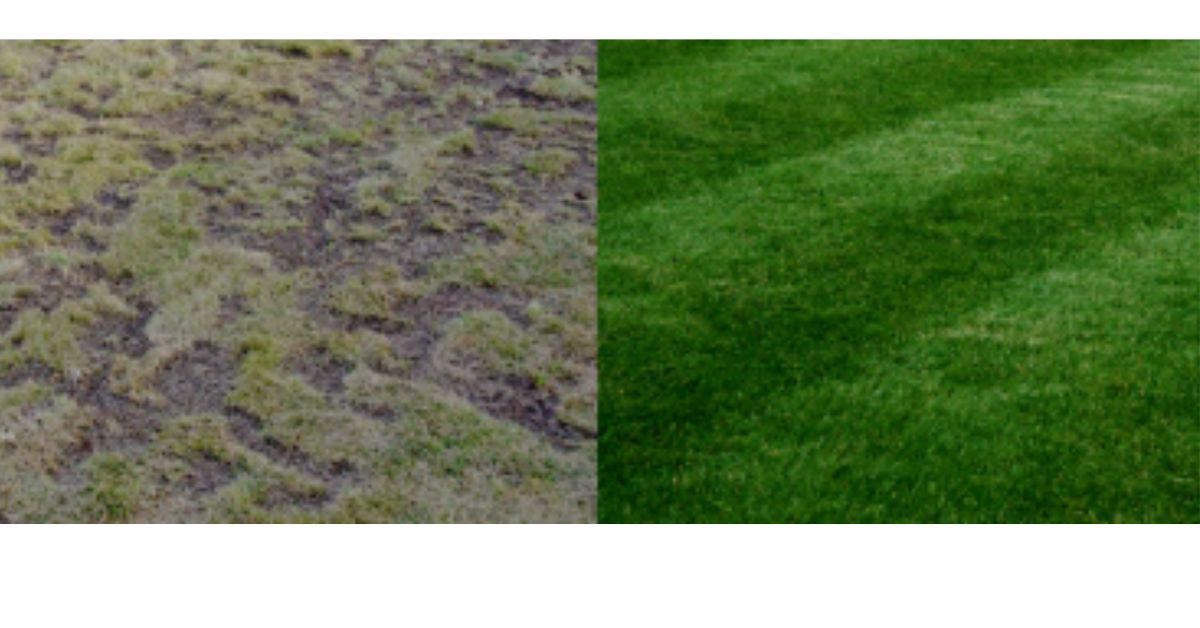
Q: How do I measure if my lawn care investment paid off? A: Look at your lawn’s condition after a full season of care. Did you have fewer weeds? Are grass patches filling in? A lush, uniformly green lawn means you likely got a good return. Also, check if you spent less time or money on extra fixes. If you had to replace less grass or buy fewer treatments than in a previous year, that’s a sign of good ROI. Finally, consider how your lawn’s appearance might improve your home’s look—if a better lawn helped you sell your home faster or for a better price, that’s a tangible return too.
Q: Should I hire a lawn care company or DIY? A: It depends on your time, comfort, and budget. DIY can save money if you do tasks yourself properly. However, a reputable local lawn service can be worth the cost for busy homeowners or large yards. Some people find hiring for one annual aeration or a spray job lets them focus on mowing and weeding themselves. On a budget, you might decide to DIY simpler tasks (like mowing and watering) and still have a pro handle technical jobs (like aeration or heavy weed control). Weigh the cost of your time and equipment against the cost of a service visit.
Q: How much should I expect to pay for lawn care in Kansas City? A: Costs can vary, but think of it this way: a basic lawn care plan (covering fertilizer and weed visits at key times) is often comparable to a monthly utility bill. Some companies offer seasonal plans that break the cost into manageable payments. If you’re on a tight budget, do side-by-side quotes with different providers, or consider paying per service. Also, small yards and off-peak times can cost less. For absolute budgeting, talk to a local lawn expert for a ballpark. Just remember, a higher-quality fertilizer or a bit of expert advice can pay back by reducing problems.
Q: What lawn care tasks should I prioritize for the best results? A: Focus first on the basics: soil test, mowing, and water. Make sure you mow at the right height and water properly right away, because these everyday habits underpin everything else. Next, deal with weeds and fertilizer at the correct times (spring and fall). If you only do four things, let them be: test soil, mow/water routinely, control weeds early, and fertilize moderately. These give the biggest bang for the buck. Once you have those handled, the rest of your lawn fall into place more easily.
Q: Can a lawn really increase my home’s value? A: While it’s hard to attach an exact number, many real estate pros agree that good curb appeal (a nice green front yard) can make your home more attractive to buyers. A well-kept yard suggests the home is cared for. So in a tight market or hot neighborhood, living wih a neat lawn helps you stand out – potentially helping you sell faster or for a bit more. Even if you aren’t selling soon, think of it as “saving up” that appeal. A yard cared for also often means homeowners can avoid problems that hurt value, like dead spots or invasive weeds. So in practical terms, spending on lawn care now can pay off when it’s time to sell.
Q: Anything I absolutely shouldn’t do? A: Avoid skipping the important steps above – for example, never ignore soil health or expect one miracle treatment to fix everything. Also, be careful with chemicals: don’t overapply weed killer or fertilizer, as that wastes money and can harm your lawn. Another trap is inconsistent care: spraying weeds once but then not mowing right, for instance. Stick to a simple schedule. And don’t underestimate preparation: failing to clear debris or not raking leaves can smother grass. Small neglects can turn into big costs, so steady, consistent care is the best way to keep ROI high.
Have more questions? Looking for local advice? Feel free to message us for more practical Kansas City lawn care tips. We’re happy to help you navigate your options (feel free to comment below). Here’s to a green, healthy lawn that pays off for your home and your budget!