The Real Truth About Tick Control (And Why Most Homeowners Overcomplicate It)

If you’ve ever stepped into your backyard and wondered, “How do I keep ticks away without turning my whole summer into a science project?”, you’re definitely not alone. Most people want the same thing: a yard their family and pets can enjoy without worry — but the internet makes it sound like you need lab equipment, weekly charts, and a master’s degree in entomology just to do it right.

Here’s the good news: tick control doesn’t need to be overwhelming or dramatic. With the right approach (and the right timing), you can keep your yard comfortable and enjoyable without turning it into a full-time job.

This guide breaks it all down in a way that’s friendly, practical, and actually doable — whether you’re a DIY fan or someone who prefers to have professionals handle the details.

Why Tick Control Feels So Confusing


Most homeowners start thinking about tick control only when they see one — but by then, the conditions that attract ticks have usually been building for weeks. That’s why tick prevention works best when you think about your yard the way ticks do: they love shade, moisture, tall grass, and spots where animals travel.

The trick isn’t doing ten complicated things. It’s doing a few simple things consistently.

The Three Things That Make the Biggest Difference


There are a lot of opinions out there about what works and what doesn’t, but in real yards, with real families, these are the factors that matter most:

  • How much shaded, overgrown space your yard has
  • How close those areas are to where your family spends time
  • Whether the property is treated during the busy warm-weather season


If you can manage those three, you’ll be far ahead of most homeowners.

A Friendly, Practical Tick Control Plan for Your Yard


Let’s keep this simple. Here’s an approach that’s easy to maintain and doesn’t require memorizing complex charts.

1. Keep the Lawn Maintained

Ticks prefer taller grass and shady patches, so one of the best things you can do is just stay on top of mowing and trimming. You don’t have to keep it golf-course short — just avoid letting it get overgrown.

2. Focus on the Edges

The transition areas — where lawn meets trees, fences, mulch beds, or tall shrubs — are where ticks tend to hang out. A quick tidy-up in these zones works wonders.

3. Clear the Clutter

Piles of leaves, brush, and unused wood are basically five-star resorts for ticks. If you can remove these regularly, you take away some of their favorite hiding spots.

4. Pet Paths Matter

If your dog has a favorite trail around the yard, that’s usually where ticks gather too. Keeping that path trimmed and treated is one of the simplest and most effective steps you can take.

When Should You Start Treating Your Yard?


Spring is the time to get ahead of things. Once you’re into warm weather, ticks become more active, so early-season treatments give you the strongest start. After that, most homeowners stick to a regular schedule through summer and early fall to keep things comfortable.

The exact timing depends on your property and how much wooded or shaded space you have — but a “start early and stay consistent” approach always works better than playing catch-up later.

DIY vs. Professional Tick Control: What’s the Difference?


You can definitely handle basic yard cleanup yourself — mowing, trimming, clearing brush, and keeping the yard tidy go a long way. Some homeowners also use over-the-counter treatments with decent success.

Where professionals shine is in:

  • Treating the right areas of the yard (especially the edges and transition zones)
  • Knowing the best timing for maximum effectiveness
  • Providing consistent coverage through the busy warm-weather months
  • Using professional-grade products and techniques
  • Saving you hours of time and guesswork


Most homeowners eventually choose a mix of both: they handle the yard maintenance, and they let a professional team take care of seasonal treatments that keep the property comfortable.

What to Expect From a Professional Tick Control Service


Every company is different, but in general, a solid tick control service will:

  • Walk the property with you to identify problem areas
  • Focus on the parts of the yard where ticks are most likely to gather
  • Apply treatments at key points throughout the warm-weather season
  • Adjust the plan based on your yard’s unique needs


If you have a lot of shaded areas, wildlife activity, or thick landscaping, a professional plan can make a noticeable difference in how comfortable your outdoor spaces feel.

Want a Yard That Feels Great All Season?


Tick control isn’t about being scared of your backyard — it’s about making your outdoor spaces feel relaxed, safe, and enjoyable. A bit of regular maintenance plus a reliable treatment schedule makes a huge difference.


If you’d like help creating a simple, effective plan for your yard, our team at
Lawnscape Specialists can walk your property, answer your questions, and recommend a seasonal approach that fits your lifestyle.

Your yard should be a place you can enjoy — without overthinking it. We’re here to make that easy.

By Champagne Reid June 10, 2026
Summer in Kansas City hits hard. The heat, humidity, and seasonal pest pressure combine to create some of the most damaging conditions your lawn will face all year. Grubs hatch underground and quietly destroy root systems. Moles follow those grubs, tunneling through your yard and uprooting healthy turf. Mosquitoes and fleas make your outdoor space feel unusable. The good news? Most of this damage is entirely preventable, but only if you act at the right time. Waiting until you see brown patches, raised tunnels, or bare spots often means the damage is already done. This guide walks you through exactly what's happening beneath and above your lawn this summer, and what steps protect it before the situation gets out of hand. Why Summer Is the Most Critical Window for Pest Prevention Summer is not just when pests are active. It is when the most destructive phase of their life cycle takes place. Japanese beetle grubs, for example, hatch from eggs laid in midsummer and immediately begin feeding on grass roots just below the soil surface. By late July and August, they can chew through root systems across large sections of your lawn without a single visible warning sign above ground. The tricky part is timing. Grub control treatments work best when applied before the larvae establish deep in the soil, typically between late June and early August. Once grubs mature past their early larval stage, most preventive products become far less effective. That narrow window is why so many Kansas City homeowners end up with turf damage despite their best intentions. Pest activity also compounds. A grub infestation attracts moles, which then attract additional predators. Acting early disrupts that chain reaction before it ever starts. What Grubs Actually Do to Your Lawn (And How to Spot Them Early) Grubs are the larvae of beetles, most commonly Japanese beetles and masked chafers, both of which are common across the Kansas City metro area. They live in the top two to four inches of soil and feed on grass roots throughout summer and into early fall. Here is the problem most homeowners do not realize: your lawn can lose up to 50% of its root system before showing any visible symptoms. By the time you notice turf that peels back like a loose carpet or large patches of brown grass that do not respond to watering, the population underground may already be in the dozens per square foot. Early warning signs are subtle. Look for: Spongy turf that feels soft underfoot in areas that have not been watered Increased bird, skunk, or raccoon activity digging at the surface Irregular brown patches that do not follow drought or shade patterns A simple test: grab a section of discolored turf and pull gently. If it lifts away from the soil without resistance, grubs have likely severed the root system below. Our Lawn Grub Control treatment, applied as part of Step 3 of our 6-Step Lawn Care Program, targets grubs during this exact vulnerable window, before they can do serious damage. Moles Are a Symptom, Not the Root Problem
Professional lawn renovation and seeding services in Platte City by experts
June 1, 2026
Transform your yard with professional Lawn Renovation and Seeding in Platte City. Trust Lawnscape Specialists for healthier turf, expert care, and a free estimate today!
Residential Weed Control Liberty MO by Lawnscape Specialists lawn care
By Champagne Reid June 1, 2026
Protect your lawn with Residential Weed Control Liberty MO from Lawnscape Specialists. Get seasonal weed prevention and healthier, greener turf.
Seasonal Lawn Maintenance Platte Woods MO by Lawnscape Specialists
June 1, 2026
Get expert Seasonal Lawn Maintenance Platte Woods MO from Lawnscape Specialists for greener lawns, weed control, and healthier turf. Call today!
June 1, 2026
Discover Turf Management Services Platte Woods MO from Lawnscape Specialists for healthier, greener lawns with expert fertilization and weed control.
By Champagne Reid May 19, 2026
Mosquitoes and fleas peak in Kansas City summers. Learn why early professional treatment works better, what health risks are involved, and how to protect your yard all season.
Lawn Pest Maintenance Kansas City MO pest control healthy green lawn Lawnscape Specialists
May 12, 2026
Get expert Lawn Pest Maintenance Kansas City MO. From grubs to seasonal care, Lawnscape Specialists keeps your lawn healthy. Call now!
Professional Lawn Fertilization Parkville MO healthy green lawn service Lawnscape Specialists
May 12, 2026
Get expert Professional Lawn Fertilization Parkville MO. Lawnscape Specialists offers custom plans & Lawn Pest Maintenance Kansas City MO. Call today!
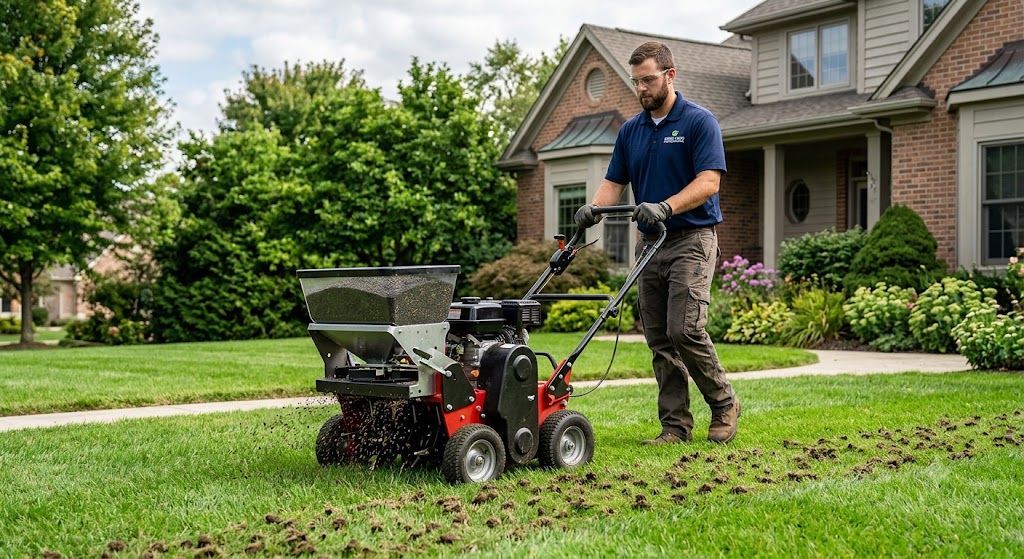
A worker preparing for Core aeration lawn service in Gladstone, MO by Lawnscape Specialists
May 12, 2026
Boost lawn health with Core Aeration Services, Gladstone, MO, by Lawnscape Specialists. Improve soil, roots, and growth. Schedule your service today!
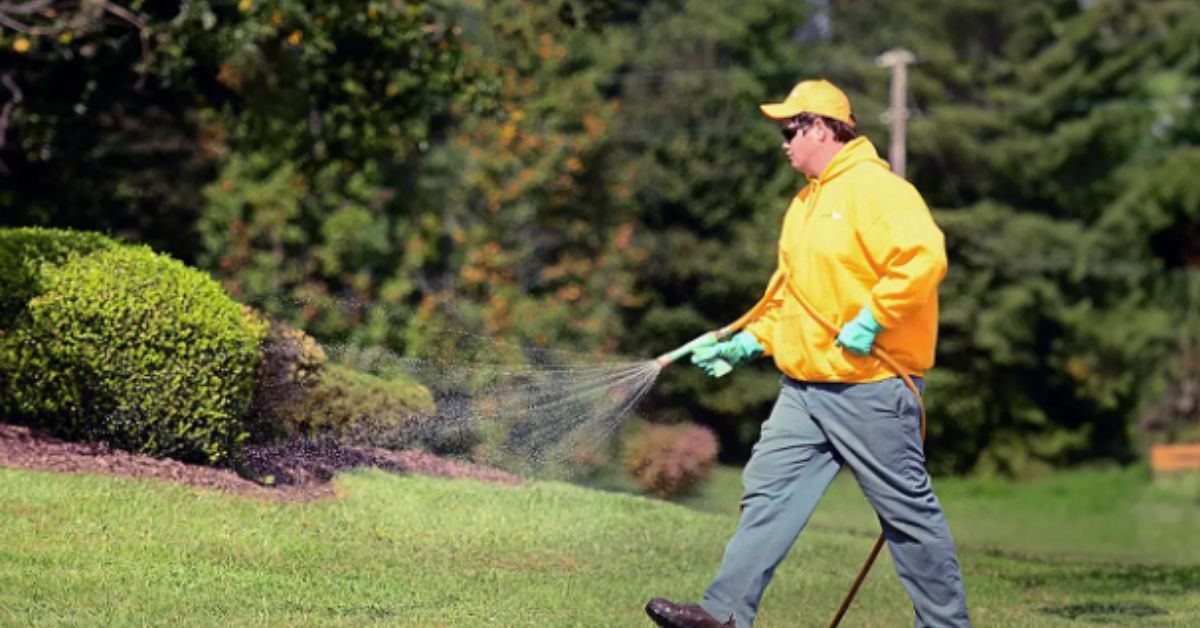
Technician applying lawn fertilization treatment in Parkville MO yard – Lawnscape Specialist
May 12, 2026
Is your lawn struggling? Discover warning signs you need lawn fertilization in Parkville, MO. Trust Lawnescape Specialists for professional results—call now!