Protecting Your Kansas Lawn: A Homeowner’s Guide to Professional Pest Control

A beautiful, healthy lawn is the pride of any Kansas homeowner. It’s a space for relaxation, recreation, and creating lasting memories. However, nothing can ruin that idyllic scene faster than a full-blown pest invasion. From the unseen damage of root-eating grubs to the sudden devastation of an armyworm infestation, a variety of pests pose a significant threat to the health and beauty of your turf. For residents of the Kansas City metro area, understanding these threats and knowing when to call in the professionals for pest control in Kansas is crucial.


At Lawnscape Specialists, we’ve seen firsthand the damage that common Kansas pests can inflict on a lawn. That’s why our comprehensive lawn care services include targeted lawn pest control for Kansas City and the surrounding areas. This guide will walk you through some of the most common and destructive lawn pests in our region, explain the damage they cause, and detail how our professional pest management services can protect your investment and keep your lawn looking its best.


The Hidden Enemy: Understanding White Grubs

One of the most insidious and damaging lawn pests in Kansas is the white grub. These C-shaped, milky-white larvae are the immature form of several species of beetles, most notably the Japanese beetle and the June beetle. Grubs live just below the soil surface and feed on the root systems of your grass. A small grub population is normal and generally not a cause for concern. However, when their numbers get out of control, they can cause widespread and severe damage to your lawn.


Signs of a Grub Infestation

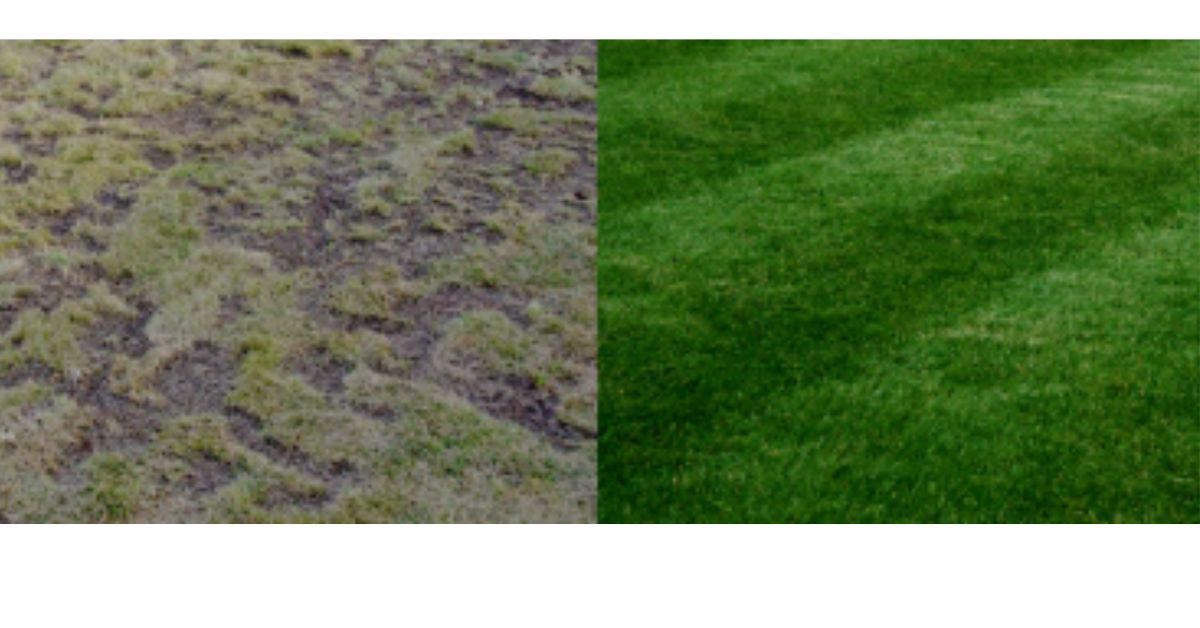
In the early stages, a grub problem can be difficult to detect. As the grubs feed on the roots, you may notice a general thinning of your turf and a lack of vigor. As the infestation progresses, you’ll begin to see large, irregular patches of brown, dead grass. This is because the root system has been so severely damaged that the grass can no longer absorb the water and nutrients it needs to survive. A tell-tale sign of a severe grub infestation is the ability to roll back the turf like a carpet, revealing the grubs feeding underneath.


Another sign of a grub problem is an increase in animal activity on your lawn. Moles, skunks, and raccoons all feed on grubs, and they will often dig up your lawn in search of a meal. If you notice an unusual number of small holes or tunnels in your yard, it’s a good indication that you may have a grub problem.


Professional Grub Control in Kansas

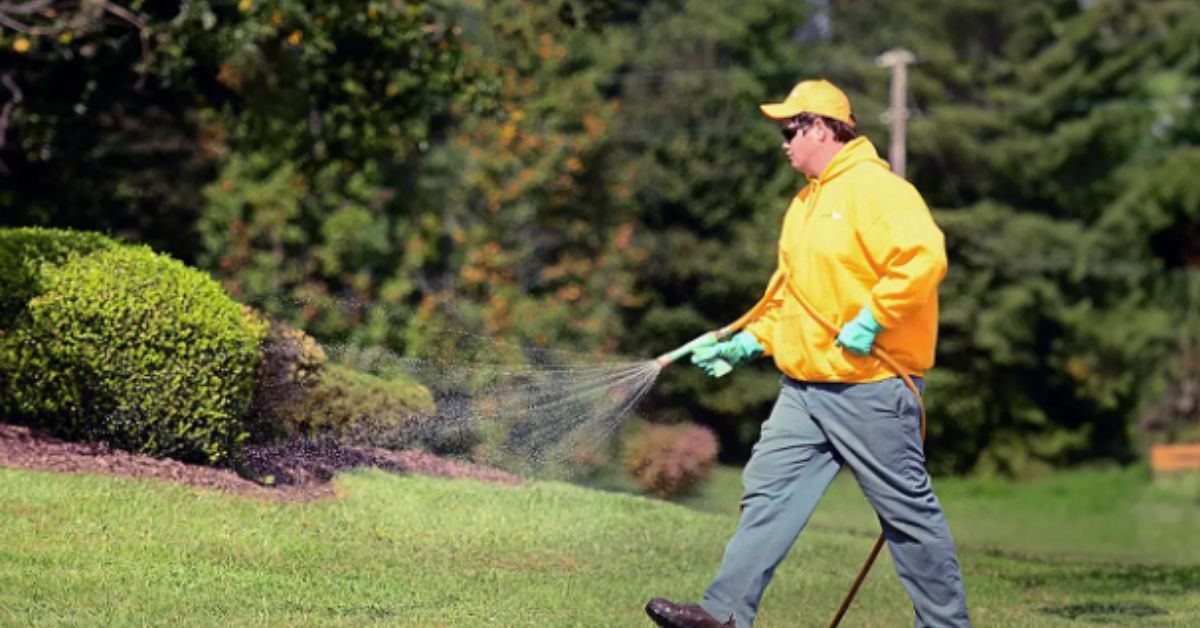
When it comes to grub control in Kansas, timing is everything. The most effective way to manage grubs is to treat them preventatively, before they have a chance to cause significant damage. At Lawnscape Specialists, our 6-step lawn care program includes a preventative grub control application in the early summer. This treatment targets the grubs when they are small and most vulnerable, effectively eliminating them before they can become a major problem.


If you already have an existing grub infestation, we also offer curative treatments. These applications are designed to eliminate the grubs that are currently feeding on your lawn. However, it’s important to note that curative treatments are most effective when applied in the late summer or early fall, when the grubs are actively feeding near the surface. By trusting your lawn to the professionals at Lawnscape Specialists, you can be confident that you’re getting the right treatment at the right time for effective mole control and lawn pest management in Kansas.


The Voracious Invader: Battling Armyworms

While grubs work their destruction out of sight, armyworms are a much more visible and rapidly destructive pest. These striped caterpillars are the larvae of a non-descript brown moth. They get their name from their habit of moving in large groups, or “armies,” as they march across a lawn, consuming everything in their path. An armyworm infestation can appear seemingly overnight and can completely decimate a lawn in a matter of days.


Identifying an Armyworm Problem

Armyworms are most active in the late summer and early fall, particularly after a period of drought followed by rain. The first sign of an armyworm problem is often a collection of birds feeding on your lawn. The birds are attracted to the caterpillars and can be a good early indicator of an infestation. As the armyworms feed, you’ll notice small, circular bare spots in your lawn. These spots will quickly grow larger as the armyworms continue to feed. In a severe infestation, you may be able to see the caterpillars themselves, particularly in the early morning or late evening.


Professional Armyworm Control in Kansas City

Due to the speed at which armyworms can destroy a lawn, a quick response is essential. If you suspect you have an armyworm problem, it’s important to contact a professional lawn care company immediately. At Lawnscape Specialists, we have the products and expertise to quickly and effectively eliminate armyworms from your lawn. Our fast-acting treatments will stop the armyworms in their tracks, preventing further damage to your turf.


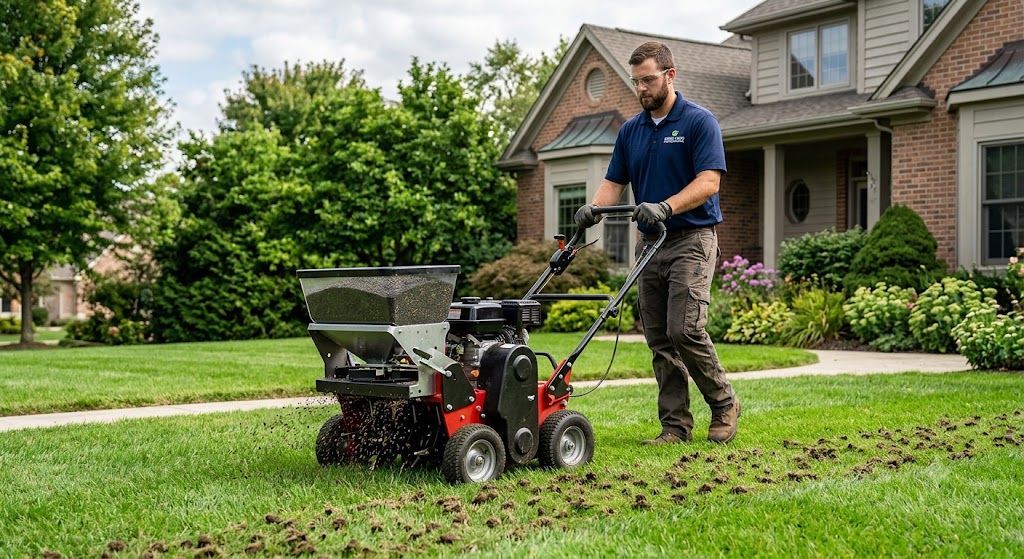
Following an armyworm infestation, it’s often necessary to perform some level of lawn renovation. This may include core aeration and overseeding to help your lawn recover and fill in the bare spots. Our team can assess the damage and recommend the best course of action to get your lawn back to its former glory. When it comes to pest extermination in Kansas, a proactive and professional approach is always the best defense.


Other Common Lawn Pests in Kansas

While grubs and armyworms are two of the most destructive lawn pests in our area, there are several others that can cause problems for Kansas homeowners. Sod webworms are small, grayish-tan caterpillars that feed on the blades of your grass at night, creating small, brown patches in your lawn. They are most active in the summer and can be controlled with a targeted insecticide application. The damage from sod webworms can escalate quickly, so early detection and treatment are essential.


Billbugs are weevils that lay their eggs in the stems of your grass. The larvae then tunnel down into the crown and roots, causing the grass to turn yellow and die. A preventative treatment in the spring is the most effective way to control billbugs. Unlike some other pests, billbugs can overwinter in your lawn, making year-round management important.


Chinch bugs are tiny insects that feed on the sap of your grass, injecting a toxin that causes the grass to turn yellow and then brown. They are most active in the hot, dry parts of the summer and can be controlled with a targeted insecticide application. Chinch bug damage often appears in patches and can spread rapidly if left untreated.


While mosquitoes do not damage your lawn directly, they can certainly make it difficult to enjoy your outdoor space. Our professional mosquito control services can significantly reduce the mosquito population in your yard, allowing you to take back your outdoor living space. Mosquito control is particularly important in the summer months when these pests are at their most active and problematic.


The Importance of Integrated Pest Management

One of the most effective approaches to lawn pest control is integrated pest management, or IPM. This strategy combines multiple tactics to manage pests in the most effective and environmentally responsible way possible. Rather than relying solely on chemical treatments, IPM uses a combination of cultural practices, preventative treatments, and targeted applications to keep pest populations under control.


Cultural practices might include proper lawn maintenance, such as maintaining the correct mowing height and watering practices. These practices can help keep your lawn healthy and more resistant to pest damage. Preventative treatments, such as the grub control application in our 6-step lawn care program, can stop pests before they become a major problem. And when necessary, targeted treatments can be applied to address specific pest issues.


This holistic approach not only protects your lawn but also minimizes the impact on beneficial insects and the environment. It is a philosophy that has guided our pest management practices for years.


Your Partner in Professional Pest Control in Kansas City

A healthy, beautiful lawn requires more than just regular mowing and watering. It also requires a proactive and professional approach to pest control. At Lawnscape Specialists, we have the knowledge, experience, and products to protect your lawn from the wide variety of pests that call Kansas home. Our integrated pest management approach focuses on prevention and targeted treatments, ensuring that we’re only applying products when and where they’re needed.


If you’re tired of battling pests on your own, we’re here to help. Our team of experienced professionals is dedicated to providing the best pest control service in Kansas City. We’ll work with you to create a custom pest control program that meets your specific needs and helps you achieve the healthy, pest-free lawn you’ve always wanted.


Ready to protect your lawn from damaging pests? Contact Lawnscape Specialists today for a free estimate!

By Champagne Reid May 19, 2026
Mosquitoes and fleas peak in Kansas City summers. Learn why early professional treatment works better, what health risks are involved, and how to protect your yard all season.
Lawn Pest Maintenance Kansas City MO pest control healthy green lawn Lawnscape Specialists
May 12, 2026
Get expert Lawn Pest Maintenance Kansas City MO. From grubs to seasonal care, Lawnscape Specialists keeps your lawn healthy. Call now!
Professional Lawn Fertilization Parkville MO healthy green lawn service Lawnscape Specialists
May 12, 2026
Get expert Professional Lawn Fertilization Parkville MO. Lawnscape Specialists offers custom plans & Lawn Pest Maintenance Kansas City MO. Call today!
A worker preparing for Core aeration lawn service in Gladstone, MO by Lawnscape Specialists
May 12, 2026
Boost lawn health with Core Aeration Services, Gladstone, MO, by Lawnscape Specialists. Improve soil, roots, and growth. Schedule your service today!
Technician applying lawn fertilization treatment in Parkville MO yard – Lawnscape Specialist
May 12, 2026
Is your lawn struggling? Discover warning signs you need lawn fertilization in Parkville, MO. Trust Lawnescape Specialists for professional results—call now!
By Champagne Reid April 27, 2026
Struggling with Northland clay? Learn how to fix your lawn with our expert guide to soil, grass types, and seasonal care from Platte City to Olathe.
By Champagne Reid March 23, 2026
Pest problems often grow fast when preventive treatments are skipped. Many insects reproduce quickly and spread through lawns, soil, and nearby landscaping before visible damage appears. In the Kansas City metro area, seasonal weather patterns create ideal conditions for pests to multiply, which means early prevention plays a major role in protecting healthy lawns. Preventive pest care helps stop infestations before they grow into larger problems that require extensive treatment. Homeowners who delay these services often notice sudden lawn damage, increased insect activity, and higher repair costs later in the season. Understanding why pest problems escalate so quickly can help property owners protect their landscapes more effectively. Why Do Pest Problems Grow So Quickly Without Preventive Treatments? Pest populations increase quickly because most insects reproduce at high rates and remain hidden during early stages of growth. Preventive treatments interrupt their life cycles before they multiply and spread across lawns and garden beds. When these treatments are skipped, pests continue reproducing without interruption. Insects such as grubs, chinch bugs, and armyworms can develop in soil long before visible lawn damage appears. By the time brown patches or thinning turf become noticeable, the population may already be large enough to require more aggressive solutions. In areas like Kansas City, where warm temperatures support rapid insect development, early treatment helps control populations before they reach damaging levels. What Happens Beneath the Lawn When Pests Go Untreated? Many destructive lawn pests spend a large portion of their life cycle underground. Preventive treatments target these insects during vulnerable stages, often before they surface or begin feeding heavily on grass roots. Grubs are a clear example. These larvae feed on turf roots beneath the soil surface, weakening grass plants and causing large sections of turf to lift easily from the ground. Without preventive applications, these pests remain undetected until significant damage occurs. Soil-dwelling insects also attract secondary problems. Birds, raccoons, and skunks may dig through lawns searching for grubs and larvae, creating additional damage beyond what the pests cause themselves. Early pest control helps prevent this chain reaction. Why Seasonal Timing Matters for Lawn Pest Prevention Preventive pest treatments are most effective when applied at the correct time in the insect life cycle. Many lawn pests follow predictable seasonal patterns based on temperature and soil conditions. Missing these windows allows pest populations to establish themselves before treatments begin. For example, grub prevention typically works best when applied before eggs hatch and larvae begin feeding on turf roots. Once grubs mature, treatments become less effective, and lawns may already show damage. Kansas City homeowners benefit from pest programs that follow local seasonal patterns. Professionals monitor weather conditions and pest activity to determine when treatments should be applied for the best results. Early Pest Activity Often Goes Unnoticed by Homeowners Most pest problems start quietly. Early signs are subtle and easy to overlook without routine monitoring or professional inspection. Preventive services help identify early activity before it spreads. Some early indicators include slight discoloration in grass blades, uneven turf growth, or increased insect presence near soil surfaces. These warning signs often appear weeks before visible lawn damage develops. Regular preventive care allows lawn care professionals to detect these early signals and apply targeted treatments before infestations expand. This proactive approach protects lawns while reducing the need for heavier pesticide use later. Why Small Pest Populations Become Major Infestations A small pest population can expand rapidly when conditions support reproduction. Many lawn insects lay dozens or even hundreds of eggs at once. Within a short period, a manageable issue can turn into widespread turf damage. When preventive treatments are skipped, several insect generations may develop during a single growing season. Each new generation increases the population and the amount of plant material being consumed. When preventive treatments are skipped, several insect generations may develop during a single growing season. Each new generation increases the population and the amount of plant material being consumed. The Hidden Costs of Delaying Pest Control Skipping preventive treatments may appear to save money in the short term, yet it often leads to larger expenses later. Once pests damage root systems, lawns may require reseeding, sod replacement, or soil repair. Severely damaged turf struggles to recover even after pests are eliminated. Grass that loses a large portion of its root system may fail to regrow, leaving bare soil that encourages weed growth. Property owners may also face increased irrigation needs, soil amendments, and multiple corrective treatments to restore lawn health. Preventive programs usually cost far less than repairing widespread turf damage.
thicker grass
By Champagne Reid March 13, 2026
Learn how consistent lawn care programs strengthen turf, improve soil health, and create thicker grass that stays resilient and attractive through every season.
By Dave Hagedorn February 16, 2026
If you're a Kansas City homeowner with a thin, patchy lawn, overseeding is one of the most effective ways to transform your turf into a thick, lush carpet of grass. But timing is everything when it comes to overseeding. Plant your seed at the wrong time of year, and you'll waste money and effort with poor germination rates. By the end of this post, you will know exactly when to overseed your lawn in Kansas City, why timing matters, and how to prepare your lawn for the best possible results. The Best Time to Overseed in Kansas City: Quick Answer Optimal Window: Late August through mid-October (fall overseeding) Why Fall: Warm soil, cool air, and adequate moisture create ideal conditions for seed germination and establishment Secondary Window: Early spring (March-April) is a secondary option, but fall is superior Soil Temperature: Soil should be between 60-70°F for optimal germination Avoid Summer: Never overseed in summer when heat and drought stress the new seedlings Avoid Winter: Winter overseeding will fail because the seed won't germinate in cold soil Why Fall Is the Best Time to Overseed in Kansas City The fall season in Kansas City provides the perfect combination of environmental factors for successful overseeding. According to the University of Missouri Extension, "fall is the best time to seed new lawns or overseed existing lawns in Missouri because soil temperatures are warm enough for seed germination, but air temperatures are cool enough to reduce stress on seedlings." [1] During late August through October, the soil temperature in Kansas City remains warm enough for grass seed to germinate quickly, typically between 60-70°F. At the same time, the cooler air temperatures (typically in the 60s-70s°F) reduce the stress on young seedlings. This combination is crucial because new grass seedlings are vulnerable to heat stress, and the cooler fall temperatures allow them to establish a strong root system before winter arrives. Additionally, fall typically brings more consistent moisture through rainfall, which is essential for seed germination and establishment. This natural moisture reduces your watering requirements and increases the likelihood of successful germination. By spring, your new grass will have had months to develop a deep, healthy root system, making it much more drought-tolerant and disease-resistant than spring-seeded grass. Signs Your Lawn Needs Overseeding Before you schedule your overseeding service, it's helpful to understand the signs that your lawn could benefit from this treatment. If you notice any of the following, overseeding should be on your to-do list: Thin or Patchy Grass: If you can see bare soil through your lawn, overseeding can help fill in those thin spots and create a denser turf. Weed Infestations: A thick, healthy lawn is the best defense against weeds. If your lawn is thin, weeds will quickly take over. Overseeding helps create a dense turf that naturally crowds out weeds. High Traffic Areas: Areas of your lawn that receive heavy foot traffic often become thin and worn. Overseeding these areas can help restore the turf. Disease or Insect Damage: If your lawn has suffered from disease or insect damage, overseeding can help repair the damage and restore the lawn's health. Age: If your lawn is more than 5-10 years old, it may benefit from overseeding to introduce new, improved grass varieties. The Step-by-Step Process for Overseeding in Kansas City Understanding the overseeding process will help you prepare your lawn and know what to expect. Here's how a professional overseeding service typically works: Step 1: Lawn Assessment and Preparation The first step is to assess the condition of your lawn. A lawn care professional will evaluate the soil, identify any problem areas, and determine the best approach. If your lawn has significant thatch buildup or soil compaction, aeration may be recommended before overseeding. Many homeowners choose to aerate and overseed together for maximum results. Step 2: Mowing and Cleanup Before overseeding, your lawn should be mowed short (about 2 inches) and all debris should be removed. This allows the seed to make good contact with the soil, which is essential for germination. Step 3: Seed Selection The type of seed you choose is critical for success. For Kansas City, tall fescue is the recommended grass type. According to K-State Research and Extension, "tall fescue is the most widely used cool-season grass in Kansas and is well-adapted to the state's climate." [2] A quality seed blend will include multiple varieties of tall fescue to provide genetic diversity and improved disease resistance. Step 4: Overseeding Application The seed is spread evenly over the lawn using a broadcast spreader or similar equipment. The goal is to achieve good seed-to-soil contact, which is why aeration before overseeding is so beneficial. The small holes created by aeration provide perfect pockets for the seed to nestle into. Step 5: Starter Fertilizer Application Immediately after overseeding, a starter fertilizer is applied. This fertilizer is high in phosphorus, which promotes root development in young seedlings. The starter fertilizer provides the new seed with the nutrients it needs to germinate and establish quickly. Common Mistakes to Avoid When Overseeding Overseeding at the Wrong Time: As we've discussed, timing is critical. Overseeding in summer or winter will result in poor germination and wasted money. Using Low-Quality Seed: Cheap seed often contains a high percentage of weed seeds and low germination rates. Invest in quality seed from a reputable source. Skipping Aeration: While overseeding alone can be beneficial, combining it with aeration significantly improves results by ensuring better seed-to-soil contact. Improper Watering: New seed requires consistent moisture. Many homeowners either underwater or overwater, both of which can result in poor germination. Mowing Too Soon: Mowing the new grass before it's established can damage the seedlings. Wait until the new grass is at least 3-4 inches tall before mowing. Applying Weed Control Too Early: Weed control products can prevent seed germination. Wait at least 4-6 weeks after overseeding before applying any weed control. DIY vs. Professional Overseeding: What You Need to Know While it is possible to overseed your lawn yourself, there are significant advantages to hiring a professional. Professional lawn care companies have access to commercial-grade equipment that provides more uniform seed distribution than consumer equipment. They also have access to premium seed blends that are specifically formulated for the Kansas City climate. Perhaps most importantly, professionals have the expertise to ensure the job is done correctly, which can save you from costly mistakes. If you do choose to DIY, you'll need to rent equipment, purchase seed and fertilizer, and invest significant time and effort. When you factor in the cost of rental equipment and premium seed, professional overseeding often costs less than you might expect, and the results are typically superior. Your Partner in Lawn Care At Lawnscape Specialists, we specialize in overseeding services designed to transform thin, patchy lawns into thick, healthy turf. We use premium seed blends specifically selected for the Kansas City climate, and we apply our services at the optimal time of year for maximum success. Contact us today for a free estimate and let us help you achieve the lawn of your dreams. Ready to transform your lawn with professional overseeding? Get Your Free Estimate Today Frequently Asked Questions What is the best time to overseed in Kansas City? The best time to overseed in Kansas City is from late August through mid-October. This timing provides warm soil for germination, cool air to reduce seedling stress, and typically adequate moisture from fall rains. Can I overseed my lawn in spring? While spring overseeding is possible, it is less ideal than fall overseeding. Spring-seeded grass is more susceptible to heat stress in summer and may not establish as well as fall-seeded grass. How long does it take for overseeded grass to grow? New grass seed typically germinates within 2-3 weeks, but it can take several months for the new grass to fully mature and blend in with your existing lawn. Do I need to aerate before overseeding? While aeration is not absolutely necessary, it significantly improves overseeding results by ensuring better seed-to-soil contact. Many homeowners choose to aerate and overseed together. How much does overseeding cost in Kansas City? The cost of overseeding varies depending on the size of your lawn, but you can typically expect to pay between $250 and $500 for professional overseeding services. What type of grass seed should I use in Kansas City? Tall fescue is the recommended grass type for Kansas City. Look for a quality seed blend that includes multiple varieties of tall fescue for genetic diversity and improved disease resistance. References University of Missouri Extension - Lawn Establishment and Renovation K-State Research and Extension - Turfgrass Species for Kansas
By Dave Hagedorn February 13, 2026
Lawn Care ROI: Kansas City Homeowner’s Guide to Cost-Effective Yard Care