End-of-Year Lawn Assessment: What Kansas City Homeowners Should Review Before Heading Into 2026
It’s December 30th, and the year is almost over. As homeowners across the Kansas City Metro prepare for the new year, this final week of December offers a perfect opportunity to evaluate how your lawn handled early winter — and what it may need heading into 2026. Even though your grass is dormant, the signs you see today can tell you a lot about root health, soil condition, moisture levels, and the type of care your yard will benefit from in the months ahead.
At LawnScape Specialists, we spend this time every year helping homeowners in Parkville, Liberty, Gladstone, Platte Woods, and Weatherby Lake identify early indicators of winter stress. A simple end-of-year lawn review now can prevent surprises in spring and make planning easier once temperatures begin to rise.
This guide walks you through the most important factors to evaluate during this final week of 2025 — with practical steps you can take to protect your lawn through the coldest weeks of winter. When appropriate, we’ll reference LawnScape’s 6-Step Lawn Care Program, which provides the long-term structure lawns rely on for seasonal resilience.
Why December 30th Is the Ideal Moment for a Winter Lawn Check
Between Christmas and New Year’s, the lawn experiences a unique combination of conditions:
- Freeze–thaw cycles create expansion and contraction in Kansas City’s clay soils.
- Dry winds pull moisture from the soil surface.
- Foot traffic increases during holiday gatherings.
- Decorations remain in place longer than usual.
- Short daylight hours slow soil drying after frost.
This mix of stressors makes late December the perfect time to evaluate how your lawn is coping — and to determine what support it may need during January’s deepest cold.
End-of-Year Lawn Evaluation Checklist
This practical, homeowner-friendly inspection helps you understand the current condition of your lawn quickly and clearly.
1. Look for Pale, Thin, or Weak Spots
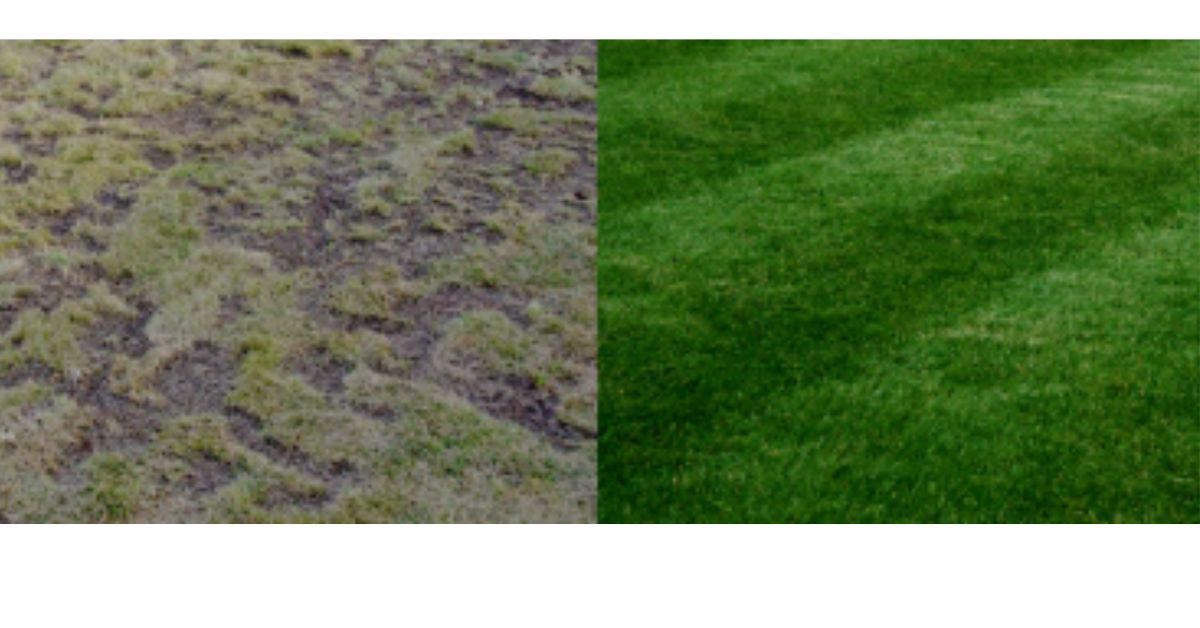
Even though dormancy naturally produces a brown color, extremely pale or thinning areas often point to:
- previous frost damage,
- compaction,
- shade-related stress, or
- mold development beneath the surface.
2. Check for Matted Grass or Debris Pockets
Leaf mats or compacted grass in shaded zones can indicate early-stage winter mold — especially near fences, under decorations, or around tree drip lines.
3. Assess Soil Moisture
Use a screwdriver to check the top 2–3 inches. Kansas City’s dry winter air often leads to surface dehydration, which weakens the turf crown. Light watering (only during above-freezing windows) may help stabilize moisture.
4. Inspect High-Traffic Patterns
Frozen turf that has been repeatedly walked on often shows pressed areas or “footprint trails.” These areas need protection during January’s freeze.
5. Look for Uneven Freezing or Drainage Issues
Low spots may appear wetter or icy, while high spots may appear dry and brittle. Both indicate areas that will need early-spring attention.
How to Strengthen Your Lawn Before January’s Deep Freeze
Based on what we typically see across Kansas City in late December, these steps offer the most protection heading into the coldest weeks of winter:
1. Remove All Moisture-Trapping Debris
Lift holiday decorations, remove leaf mats, and clear any spots where moisture has collected. This prevents mold from forming in January.
2. Reduce Foot Traffic on Frozen Turf
Frozen grass blades crack easily. Protect weakened zones by guiding people toward paved paths.
3. Apply Light Watering — Only When Conditions Allow
If soil is extremely dry and temperatures stay safely above freezing for several hours, moisture support can help prevent winter desiccation.
4. Mark Sensitive Areas
Use flags, stakes, or small décor markers to indicate where foot traffic should be avoided, especially around patchy or shaded spots.
5. Make a Spring Plan Based on What You See
Notes you take today will help guide early-spring decisions related to:
- aeration,
- overseeding,
- fertilization timing,
- soil improvement, and
- pest prevention needs.
These tasks are foundational parts of the
6-Step Lawn Care Program, which aligns your lawn’s needs with seasonal timing.
How to Decide What Your Lawn Needs Most Going Into 2026
Use this end-of-year decision framework to prioritize the areas that will impact your lawn the most in the coming months.
1. Do you have heavy shade?
Your biggest risk is mold. Keep shaded areas clear and avoid all foot pressure.
2. Is your soil clay-dense?
Kansas City’s clay expands aggressively when frozen. Focus on moisture stability and limiting compaction.
3. Was fall aeration or overseeding skipped?
Your lawn may enter spring weaker. Planning early for turf recovery is essential.
4. Did your lawn experience holiday traffic?
Prioritize protecting stressed areas heading into January.
5. Are you seeing pale or patchy spots today?
This may point to early winter stress — note these areas for early spring care.
Related Seasonal Insight
For a deeper understanding of how fall preparation impacts winter lawn health, visit the related LawnScape Specialists blog:
how to prepare your lawn for fall in the Kansas City Metro. It connects many of today’s observations to earlier-season care.
When to Bring in a Lawn Care Professional
If your lawn appears stressed — or if you’d like clarity about what to expect heading into 2026 — a winter lawn evaluation can give you a clear roadmap. Our team examines drainage, freeze patterns, soil structure, shaded areas, and early stress signs unique to your property.
Many homeowners use this final week of December to secure their place in next year’s
6-Step Lawn Care Program, ensuring their yard receives consistent, seasonal care from early spring onward.
Start the New Year With a Healthier, More Resilient Lawn
Your lawn may be dormant, but your planning doesn’t have to be. If you’d like guidance on winter protection, spring preparation, or long-term lawn health, we’re here to support you as you head into a new year.
Contact LawnScape Specialists to schedule a winter evaluation or begin planning your 2026 lawn care strategy.