Why Summer Is the Right Time for Mosquito & Flea Control
Mosquitoes and fleas do not wait for a convenient time to show up. In Kansas City, summer creates the ideal breeding environment for both. Warm temperatures, humidity, and standing water from spring rains give these pests exactly what they need to multiply fast. By the time most homeowners notice the problem, populations are already large enough to disrupt outdoor living and put family members and pets at risk. Getting ahead of mosquitoes and fleas before peak season hits is not just smart, it is the most effective approach available.
What Makes Kansas City Summers So Ideal for Mosquitoes and Fleas?
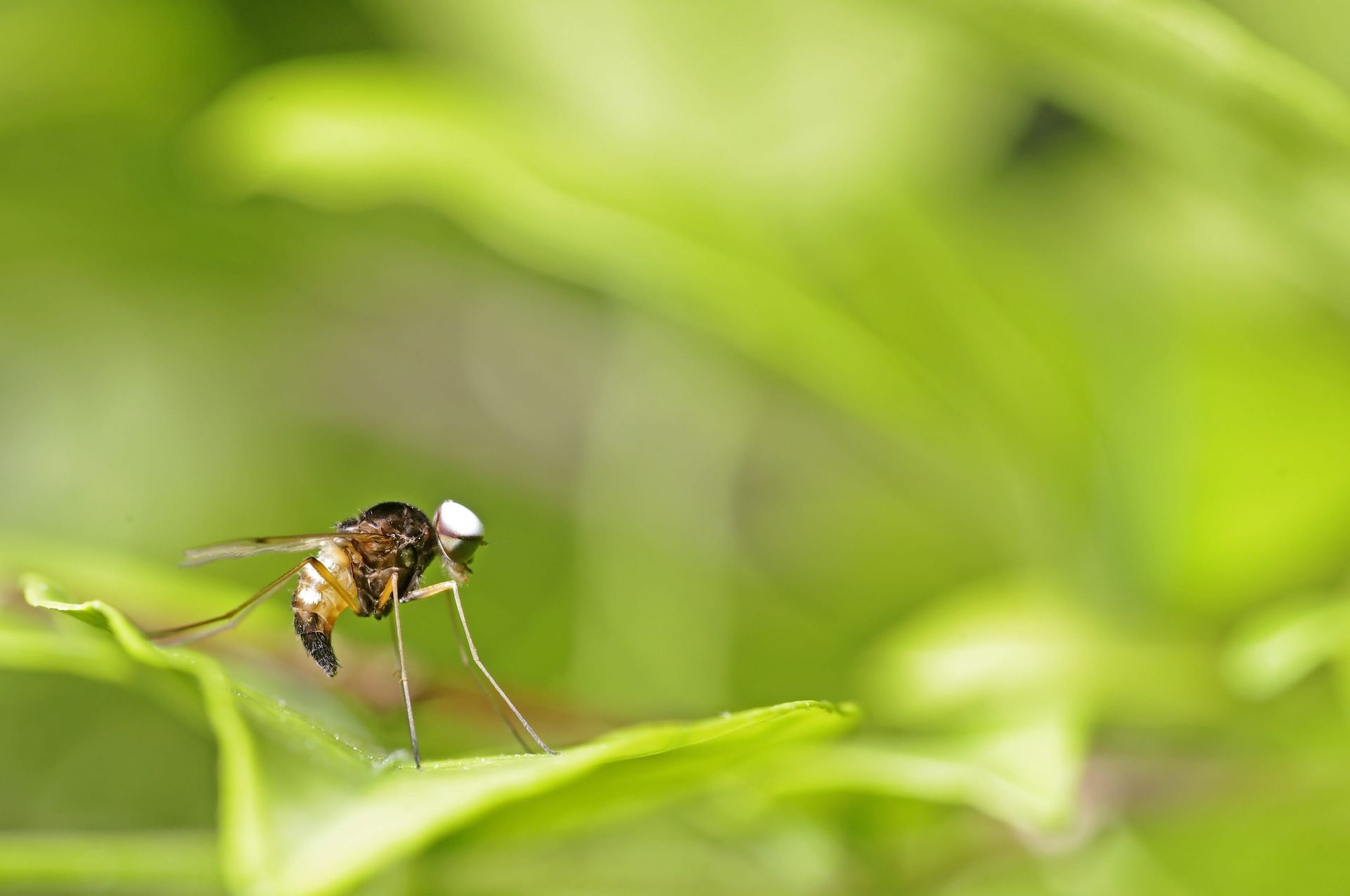
Kansas City summers are warm, humid, and frequently punctuated by rain. These conditions are precisely what mosquitoes and fleas need to thrive. Mosquitoes breed in standing water, and even a small amount collected in a flower pot, clogged gutter, or low-lying yard area is enough to support a new generation. Fleas, on the other hand, prefer warm soil and shaded grass, which are both plentiful across Kansas City's residential neighborhoods from June through August.
What most homeowners do not realize is that flea eggs can survive in soil for months. They hatch when temperatures consistently stay above 70°F, which in Kansas City typically begins in late spring and continues well into fall. This means the flea activity you notice in July often started developing in May. Similarly, mosquito larvae can complete their full development cycle in as little as seven to ten days in warm water, allowing populations to double and triple within a single summer month.
The combination of these two pests during the same season creates compounding pressure on your yard. Treating one without addressing the other leaves gaps that pests quickly fill.
Why Waiting Until You See Pests Is Already Too Late
One of the most common mistakes homeowners make is treating pest control as a reactive task. By the time mosquitoes are ruining a backyard gathering or a pet is scratching constantly from fleas, the infestation has already matured. Preventive treatment targets pests at vulnerable points in their life cycle, before populations reach levels that are genuinely difficult to manage.
Flea infestations are a useful example here. A single female flea can lay up to 50 eggs per day. Those eggs fall off pets and into carpet, furniture, and yard soil. Within weeks, what began as a minor nuisance becomes a full infestation both inside and outside the home. Outdoor flea control applied early in summer interrupts this cycle before it accelerates.
Mosquitoes present a similar pattern. Early season treatments reduce the breeding population before it peaks, which means fewer mosquitoes throughout the entire summer rather than playing catch-up once the season is underway.
What Diseases and Health Risks Are Actually Involved?
This is not just about comfort. Mosquitoes in the Kansas City region are known carriers of West Nile Virus, and tick-adjacent pests like fleas can transmit diseases including murine typhus and act as hosts for tapeworm larvae that affect both pets and people. Fleas are also a leading cause of flea allergy dermatitis in dogs and cats, which causes significant and persistent skin irritation.
Children and pets who spend time in the yard during summer are the most frequently exposed. A yard that looks clean and well-maintained can still harbor thousands of flea eggs in shaded soil along fence lines or beneath shrubs. Mosquitoes tend to rest in tall vegetation and shaded areas during the day, emerging aggressively at dawn and dusk.
Our flea and tick control treatments are applied specifically to address these resting and breeding zones, creating a treated perimeter that significantly reduces exposure.
How Do Professional Mosquito and Flea Treatments Actually Work?
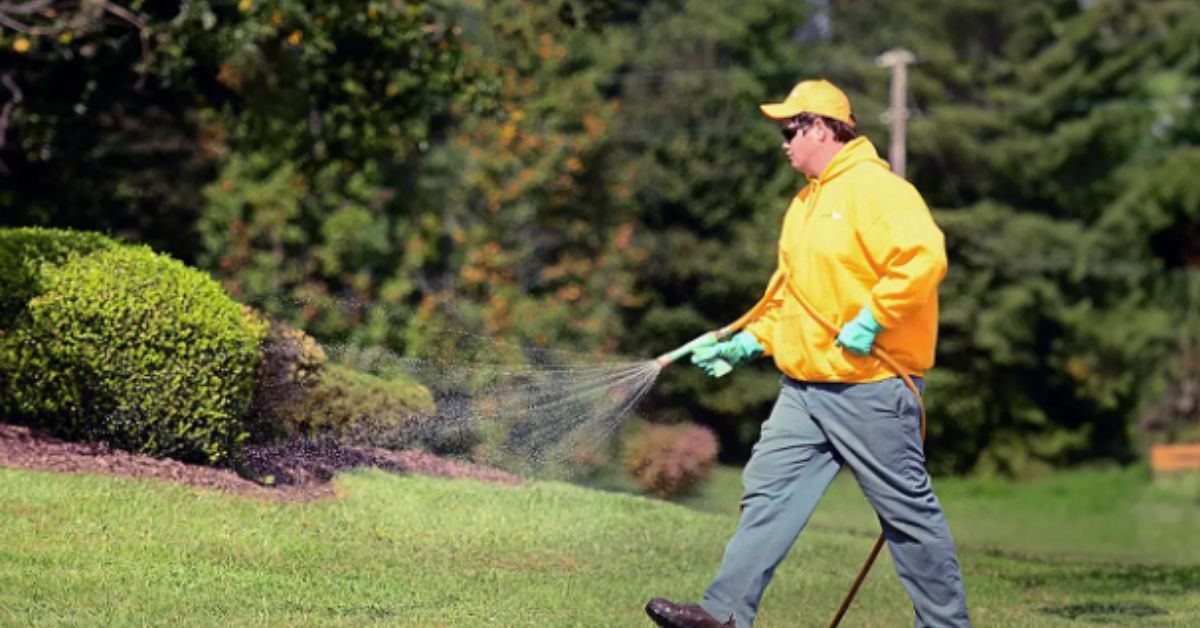
Understanding what professional treatment involves helps set realistic expectations. A broadcast spray approach alone is not sufficient for lasting results. Effective mosquito control targets the areas where mosquitoes rest and breed, including vegetation, shaded ground cover, and any moisture-retaining landscape features.
Our mosquito control treatments are designed to reduce mosquito populations without harming flowering plants or other vegetation. This distinction matters for homeowners who invest in landscaped beds, pollinators, or garden spaces. The treatment is carefully applied to reduce mosquito pressure while protecting the surrounding plant life.
For flea control, the approach focuses on yard-wide treatment with emphasis on shaded zones and areas where pets frequently roam. A single treatment provides a period of protection, but because flea eggs in the soil can hatch in waves, a scheduled multi-visit program through the summer delivers significantly better results than a one-time application.
Our home insect barrier adds an additional layer of protection by treating the exterior perimeter of your home, reducing the likelihood of pests moving from the yard into your living space. It is safe for pets and children after it has dried.
Can a Lawn Care Program Support Pest Control Results?
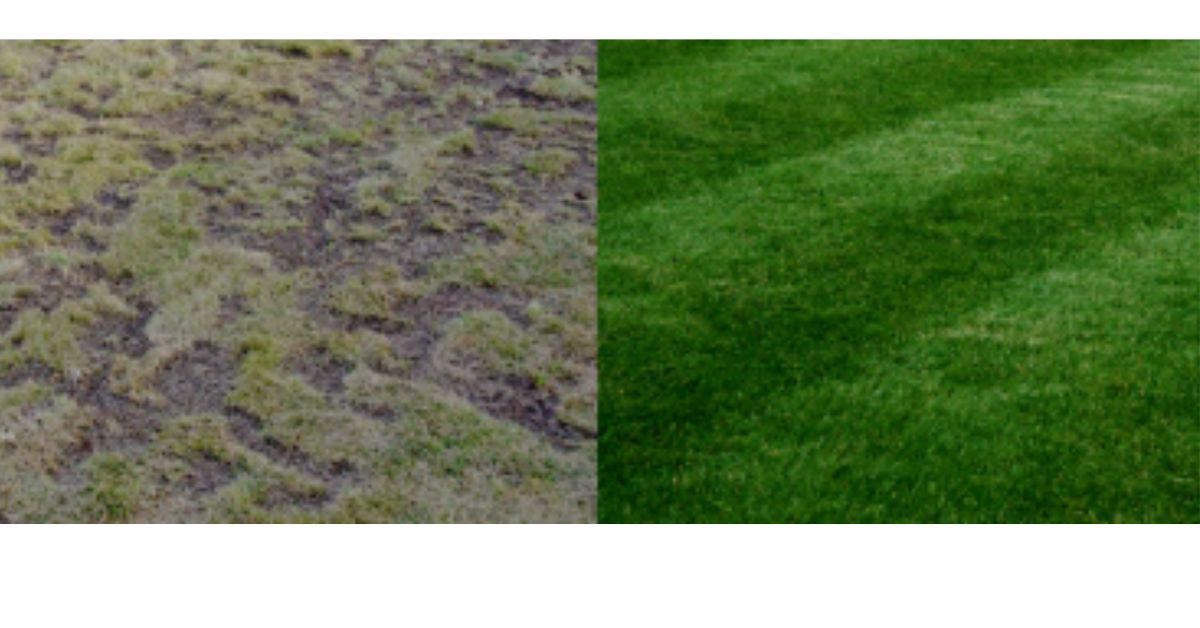
A healthy, well-maintained lawn actually plays a role in pest management. Thick, properly fertilized turf creates conditions that are less hospitable to fleas. Dense grass at the right height dries more quickly after rain, reducing the moist soil conditions that flea larvae prefer.
Our 6-Step Lawn Care Program is built specifically for Kansas City's climate and soil conditions. When paired with seasonal pest treatments, it supports a yard environment that is both visually impressive and structurally less inviting to common pests. A lawn that is properly aerated and fertilized on schedule maintains better drainage, which directly reduces standing water and the mosquito breeding opportunities that come with it.
This is one of the less obvious connections between lawn health and pest pressure. Homeowners who invest in both tend to see compounding benefits across the full season.
What About Moles and Rodents During Summer?
While mosquitoes and fleas are the most visible summer pests, moles and rodents also ramp up activity during warmer months. Moles tunnel in search of grubs and soil insects, and their activity increases in summer as soil insects become more active near the surface.
If your yard shows signs of raised tunnels or disturbed soil, addressing it early prevents the structural damage moles cause to root systems and turf. Our mole control program and rodent control services are available as part of a broader seasonal pest management approach.
Frequently Asked Questions
When should mosquito treatment start in Kansas City?
Treatment should begin in late spring, ideally before temperatures consistently reach the mid-70s. In Kansas City, this typically means starting in May. Beginning treatment early reduces the breeding population before summer peaks, delivering better results throughout the full season.
How many flea treatments does a yard need each summer?
For most properties, multiple treatments spaced several weeks apart provide the best protection. This approach accounts for flea eggs already present in the soil that may hatch after the initial treatment. A professional assessment of your yard helps determine the right schedule.
Are mosquito and flea treatments safe for children and pets?
Yes, when applied by trained professionals using properly labeled products. Our treatments are designed with family safety in mind. We recommend keeping children and pets off treated areas until the application has fully dried, typically within a few hours.
Does mosquito control harm beneficial insects like bees?
Our mosquito treatments are targeted to resting areas in vegetation and are not applied directly to flowering plants or active pollinator zones. When applied correctly, the impact on beneficial insects is minimal. We take care to protect the surrounding landscape during every treatment.
Can pests come back after treatment?
Pests can re-enter a treated yard from neighboring properties, and flea eggs already in the soil may hatch between treatments. This is why a scheduled seasonal program delivers more consistent results than a single application. Ongoing treatments maintain the protective barrier throughout the summer months.
Conclusion
Summer in Kansas City moves fast, and so do mosquitoes and fleas. The most effective window for pest control is before populations peak, not after they have already taken over your yard. Combining professional mosquito and flea treatments with a strong lawn care foundation gives your property the best possible protection through the full season.
At
Lawnscape Specialists, we offer targeted pest control services built around Kansas City's seasonal patterns, helping homeowners stay ahead of summer pests so the yard stays enjoyable from June through fall. Call us today at 816-284-8097 to get started.