The Real Reason Your Lawn Isn’t Draining Properly (And What Most People Get Wrong About Weed Control)
The Real Reason Your Lawn Isn’t Draining Properly (And What Most People Get Wrong About Weed Control)
If you’ve ever looked out at your yard after a rainstorm and thought, “Why is my grass always soggy?” or “Why do weeds always take over the same spots every year?”, you’re definitely not alone.
Drainage problems and weed issues often show up together, and most homeowners assume they’re unrelated — one is a “water problem,” the other is a “weed problem.” But in reality, both have the same underlying cause far more often than people realize: tired, compacted soil that simply isn’t able to do its job anymore.
The good news? Once you understand what’s happening beneath the surface, the solutions become much easier (and much more effective).
Why Soil Compaction Matters More Than You Think
Your lawn’s soil is supposed to have tiny pockets of air and space. That’s how water drains, roots grow, and nutrients move around. But over time — with foot traffic, pets, lawn equipment, and unpredictable weather — the soil gets pressed down and loses those spaces.
When that happens:
- Water can’t move through the ground properly
- Grass roots have less space to grow
- Weeds sneak into the weak spots
- The lawn starts feeling soft, mushy, or constantly damp
If you’ve ever noticed certain areas of your yard getting soggy after every rain or sprinkler cycle, chances are good that soil compaction is part of the problem.
Why Standard Weed Control Doesn’t Fix the Real Issue
Most homeowners try to tackle weeds by treating what they can see above ground — which makes sense on the surface. But treating weeds without addressing compacted soil is kind of like putting a bandage on the same cut over and over again without ever stopping what caused the cut in the first place.
You might see some short-term improvement, but if the soil underneath is struggling, weeds will be right back where they started.
A healthier lawn begins below the surface, not on top of it.
The Compaction–Weed Cycle (In Plain English)
Here’s the simplest way to understand it:
- Compacted soil stresses your grass
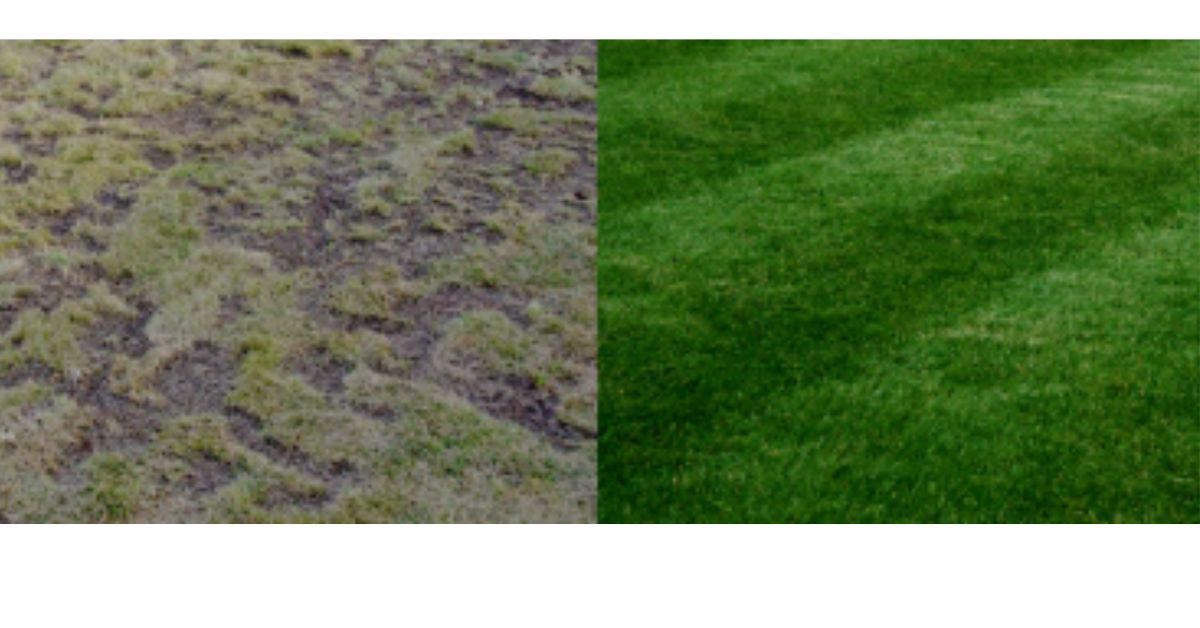
- Stressed grass leaves thin patches
- Thin patches become welcome mats for weeds
- Weeds take advantage… and suddenly, you have a yard full of them
Breaking this cycle isn’t about stronger weed control — it’s about giving your soil what it needs so your grass can take the lead again.
Why This Year Has Been Especially Tough on Lawns
If your yard has felt especially unpredictable lately, you’re not imagining it. Our region's recent weather swings — heavy rains followed by quick dry spells — put a lot of strain on lawns.
Wet soil gets soft. Then it dries out suddenly. Then it gets wet again. Over time, that back-and-forth creates the perfect recipe for soil compaction.
And when soil gets compacted, drainage slows down… and weeds show up like they’ve been waiting for the invitation.
So… What Actually Works?
Homeowners who want lasting results (not just a better-looking lawn for a week or two) usually combine two things:
1. Soil Improvement
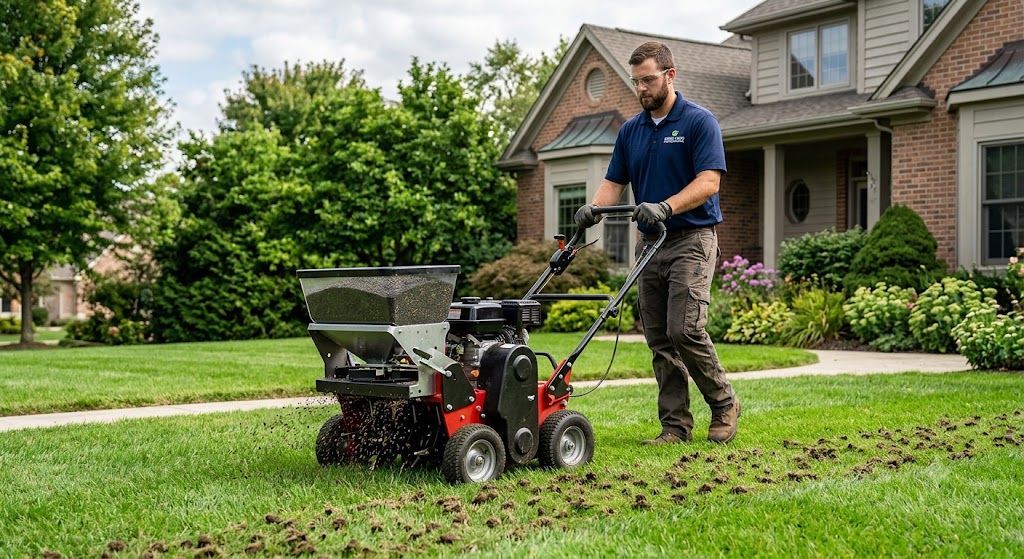
This could include aeration, treatments that help loosen the soil, or seasonal adjustments that help restore healthy structure. Once your soil can breathe and drain again, your grass can finally do what it’s meant to do.
2. Targeted Weed Control
When soil health improves, weed control doesn’t have to work as hard. Your grass becomes more resilient, weeds have fewer openings, and treatments become far more effective.
Many of our lawn care clients start seeing improvement simply by pairing these strategies together — especially when done at the right time of year.
How Homeowners Are Staying Ahead of the Problem
We’ve noticed a clear trend among homeowners who want a better lawn without constant stress:
- They get a soil assessment before jumping into treatments
- They repair drainage and soil structure early in the season
- They combine overseeding, lawn care, and treatment timing strategically
- They focus on prevention instead of constant chasing
You don’t need to overhaul your whole yard — just understand what your soil needs and build your lawn care around that.
Why Timing Matters (More Than People Realize)
Fall is one of the best seasons to work on soil structure. The conditions are mild, the soil is still workable, and your lawn gets time to recover before winter. Doing soil improvement now often makes the following spring and summer dramatically easier.
If you’ve been dealing with soggy areas, stubborn weeds, or patchy growth, this is the perfect window to get ahead of it.
Thinking About Making a Change?
You don’t have to fight the same lawn battles every year. When you start with the soil, everything else becomes easier — weed control, drainage, seeding, even mowing.
Our team at Lawnscape Specialists can walk your yard, check your soil health, and help build a plan that addresses the root cause instead of just the symptoms.
A lawn that drains well is a lawn that grows well — and we’d love to help you get there.