Preparing Your Lawn for Winter: Early December Steps Every Kansas City Homeowner Should Take
It’s December 2nd, and winter has fully arrived in the Kansas City Metro—bringing freezing nights, dormant grass, and the kind of unpredictable weather that can stress even the healthiest lawns. While most people assume their yard “shuts down” until spring, this early-December window is one of the most important moments of the year for long-term lawn health. A few targeted steps now can dramatically improve how your grass rebounds in March and how well it handles winter stress.
At LawnScape Specialists, we’ve seen hundreds of lawns across Parkville, Liberty, Platte City, Gladstone, and Weatherby Lake respond differently depending on how well they’re prepared before the coldest weeks hit. A common issue we see is homeowners thinking nothing can be done once the leaves fall—but in reality, early December is your last chance to set your lawn up for a strong spring.
This guide walks through the essential tasks to complete right now and explains how winter preparation fits into a healthy, year-round lawn strategy. We’ll also link to relevant services, including our
6-Step Lawn Care Program, to help you understand where these steps fit into a broader plan.
Why Early December Matters More Than You Think
Once soil temperatures drop below 50°F, your lawn enters dormancy—but it’s still highly responsive to proper care. Cold weather, winter winds, and dehydrated soil can all damage root systems that take months to recover in the spring. That’s why December preparation is less about growth and more about protection.
Here’s what we consistently observe across the Kansas City Metro each year:
- Root systems remain active even when the grass is not.
- Moisture levels drop quickly in early December due to cold, dry air.
- Snow and ice stress can break weakened turf crowns.
- Fungus and mold patches are more common when leaves and debris remain on the surface.
These local realities make early December the final opportunity to protect your lawn before the deepest winter freeze arrives.
Early December Lawn Preparation: Step-by-Step Checklist
Below is a simple, actionable sequence homeowners can complete right now. Each step is based on what our team sees most often during winter service calls across the KC region.
1. Remove Remaining Leaves and Debris
Even a thin layer of leaves can trap moisture, create mold, and suffocate dormant grass. By early December, fallen leaves are often wet, matted, and tightly packed—making removal extra important. Aim to completely clear the lawn so winter sunlight can reach the crown of the grass.
2. Lower Your Final Mow (But Not Too Short)
Keeping grass slightly shorter during the final mow helps reduce snow mold and prevents the blades from folding over under snow. For most Kansas City lawns, this means holding your mower around 2.5–3 inches. Cutting too short, however, exposes the crown to freeze damage, so moderation is key.
3. Inspect for Bare or Thinning Areas
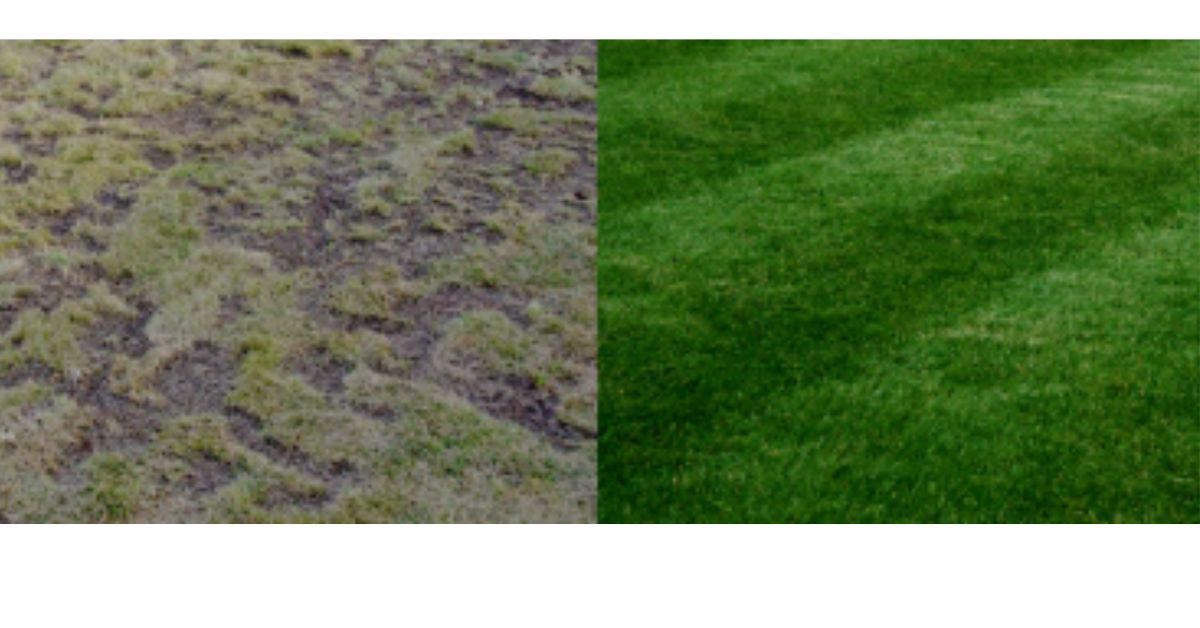
Patchiness now becomes weakness in spring. While overseeding is typically done earlier in the fall, homeowners should take notes now to plan for early-season corrections. Bare spots are often the first areas to dry out or develop disease as winter progresses.
4. Protect Your Lawn’s Moisture Levels
This is one area many homeowners overlook. December air is extremely dry, and extended periods without rainfall can lead to root dehydration. If the Kansas City area experiences a long dry stretch with above-freezing daytime temperatures, a light watering can prevent winter desiccation.
5. Apply a Winterizer Fertilizer (If Not Already Done)
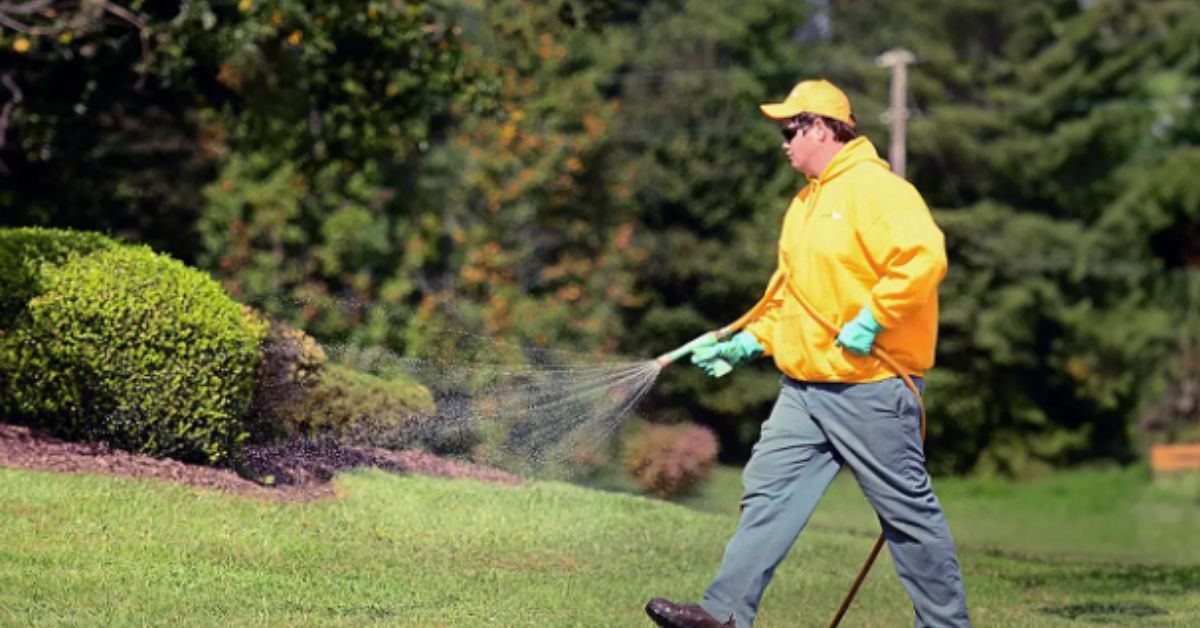
If you missed your November winterizer application, early December is often still a suitable window as long as the ground isn’t frozen. Winterizer helps strengthen the root system and fuels early spring green-up. This step ties directly into long-term lawn health and supports the foundation of our 6-Step Lawn Care Program.
6. Avoid Excessive Lawn Traffic
Frozen grass blades break easily under pressure. If you notice heavy frost on your lawn, avoid walking across it, as this can cause long-lasting damage that becomes visible once spring arrives.
How to Decide Which Winter Prep Steps Matter Most for Your Lawn
If your time is limited, here’s a simple framework to help you prioritize the tasks that will make the biggest difference for your specific property.
1. Start with Your Lawn's Sunlight Exposure
Areas with partial shade or tree coverage hold moisture longer. These zones benefit the most from leaf removal and avoiding traffic during frosty mornings.
2. Evaluate Your Grass Density
Thinner lawns need special attention before winter. If your yard has visible thinning or patchiness, making notes now will help you plan for early overseeding or aeration in spring.
3. Consider Your Soil Type
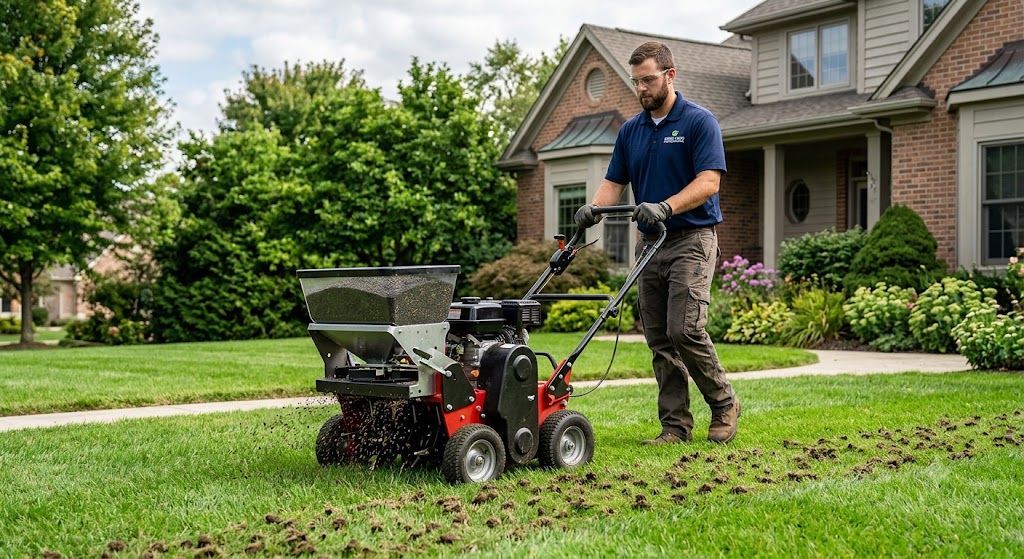
Clay-heavy soils, which are common throughout the Kansas City Metro, compact easily and retain moisture. These lawns typically benefit strongly from aeration in fall and careful winter moisture management.
4. Review When You Last Fertilized
If the final fertilization was skipped or delayed, applying a winterizer before the ground freezes becomes your top priority.
Using this simple decision-making approach ensures you’re not guessing—you’re choosing the right tasks based on the needs of your specific lawn.
Related Seasonal Insight: Preparing for the Fall-to-Winter Transition
If you missed some of the key fall steps, or want to understand how fall preparation influences winter health, you may find value in a related article on the LawnScape blog:
how to prepare your lawn for fall in the Kansas City Metro. It offers deeper detail on soil management, aeration timing, and overseeding strategy—topics that directly impact winter outcomes.
When Professional Help Makes a Difference
Some winter preparation tasks are simple for homeowners to handle, but others benefit from professional attention—especially when dealing with poor drainage, compaction, or recurring disease. Our team brings over 100 years of combined experience helping Kansas City lawns stay healthy through winter and rebound beautifully in spring.
If you’re unsure how your lawn is positioned heading into the coldest months, our specialists can assess soil conditions, identify stress factors, and recommend a tailored plan using services like our structured 6-Step Lawn Care Program.
Ready for a Healthier Spring Lawn? Here’s Your Next Step.
December is a strategic moment to protect your lawn before winter fully settles in. If you’d like personalized guidance based on your property’s soil, sunlight, or current condition, our team is here to help.
Contact LawnScape Specialists today to schedule a winter readiness review and begin planning for a stronger, greener spring lawn.