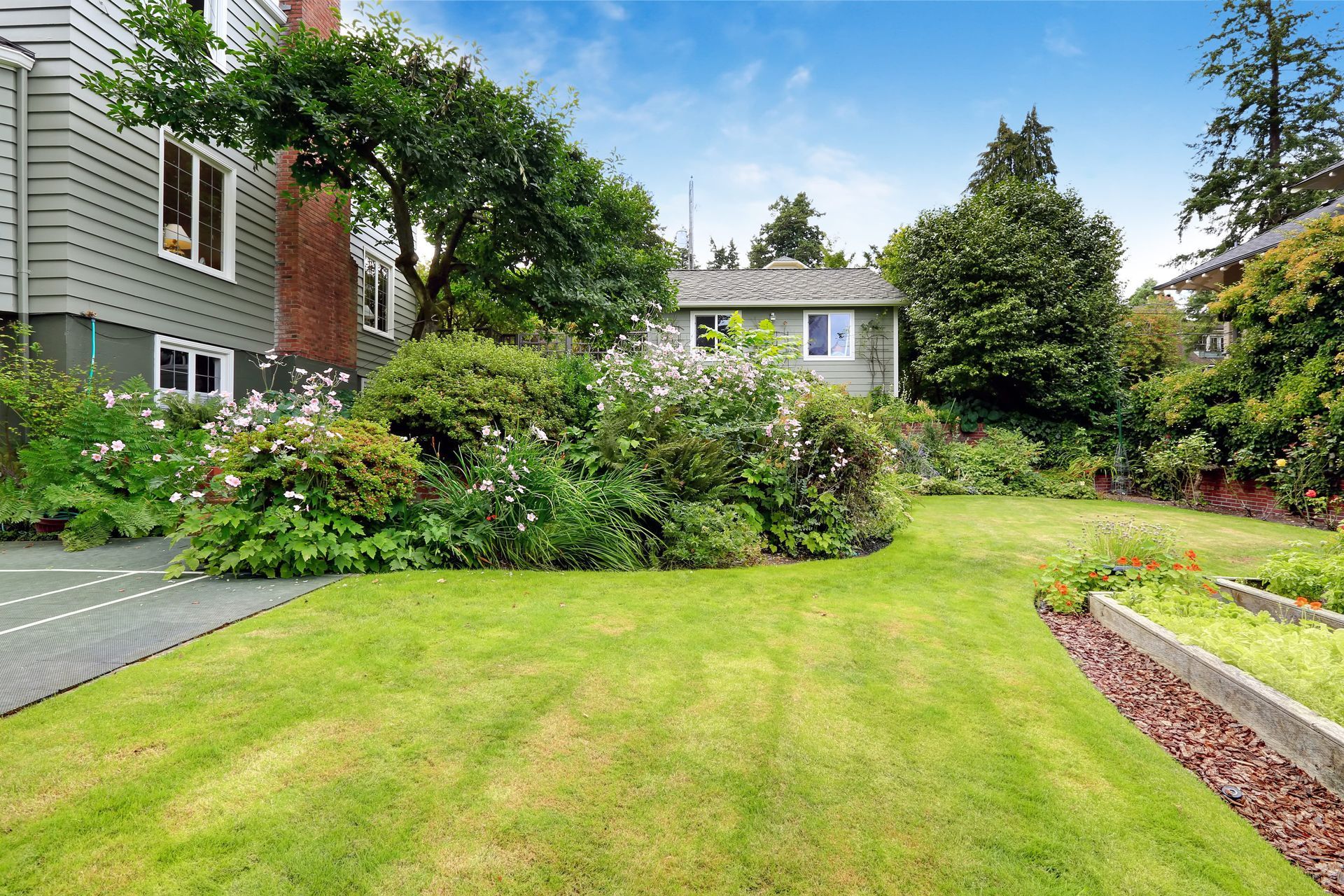
Tackling Fixed Income Challenges with Affordable Lawn Care

Affordable Luxury: How Lawnscape Specialists Makes Professional Lawn Care Accessible for Fixed Incomes

Maintaining a pristine lawn often seems like a luxury reserved for those with deep pockets. For many fixed-income households, professional lawn care appears financially out of reach—despite the long-term benefits of a well-kept property. With nearly 25% of American households living on fixed incomes, routine property maintenance can feel like an added strain. This article explores common challenges faced by fixed-income households, debunks myths about affordability, and presents real strategies that show how a healthy lawn is possible on a budget.

Understanding Fixed Income Challenges

Fixed-income households operate on predictable yet limited monthly budgets. Non-essential expenses like lawn care often take a backseat to immediate needs such as housing, utilities, and healthcare. Without proper upkeep, lawns can deteriorate, leading to expensive consequences later—from pest infestations to emergency landscaping costs.

Myths vs. Realities: Professional Lawn Care on a Budget

A common misconception is that professional lawn care always carries a premium price tag. Many homeowners assume that high quality equals high cost. But in reality, several service providers—including Lawnscape Specialists—offer customized service plans that balance value and affordability. Cost-effective maintenance doesn’t mean sacrificing quality—it means working smarter and choosing the right partner.

The Cost of Lawn Neglect


When lawns are ignored due to budget constraints, the long-term effects can be costly. Poor curb appeal impacts property value, and neglected landscapes invite pests and diseases. Regular care is not just cosmetic—it prevents future repair costs and preserves your home’s overall condition.

Why Costs Feel Out of Reach


Many traditional lawn care packages emphasize luxury features and extensive labor, creating the impression that high-end pricing is standard. Additionally, a lack of transparency around pricing leads homeowners to assume services are unaffordable. Fortunately, some companies, like Lawnscape Specialists, are shifting this model by providing flexible, transparent plans that focus on long-term lawn health without breaking the bank.


Budget-Friendly Lawn Care Plans That Work


For homeowners on fixed incomes, finding the right service partner makes all the difference. Lawnscape Specialists offers personalized care plans designed to fit a variety of budgets and property types. These plans emphasize value, reliability, and consistency—ensuring that your lawn stays healthy and beautiful over time without placing undue strain on your finances.


Modern Techniques That Keep Costs Down


Today’s lawn care services use efficient practices to reduce costs for customers. Instead of relying solely on outdated, labor-intensive approaches, providers now streamline their operations and focus on high-impact solutions that minimize time and expense. Lawnscape Specialists, for example, uses strategic scheduling and precise treatments to reduce unnecessary work and optimize results.


Homeowner Success Stories


Many fixed-income homeowners who’ve adopted budget-friendly service plans report noticeable improvements in lawn health and curb appeal. With consistent care, even modest plans can dramatically transform a lawn over the course of a year—boosting both property value and neighborhood pride. Regular maintenance proves far more cost-effective than reactive or emergency solutions.


How to Get Started with Affordable Lawn Care


Evaluate Your Lawn

Walk your property and note areas of concern: patchy growth, weeds, bare spots, or overgrowth. Think about seasonal needs and any physical limitations that make self-maintenance difficult.


Compare Service Providers


Look for local companies that emphasize affordability and customization. Avoid vague pricing or one-size-fits-all plans. Lawnscape Specialists provides detailed consultations to help you understand exactly what your lawn needs—and what it doesn’t.


Schedule a Free Consultation


Start with a simple conversation. Lawnscape Specialists offers no-obligation consultations to review your lawn’s current condition and propose a plan tailored to your goals and budget.


Monitor Progress


Once service begins, keep track of changes in your lawn’s health. A consistent approach combined with light DIY tasks—like basic weeding and cleanup—can amplify results without adding extra cost.


Tips for Lawn Care on a Budget

  • Preventive Care: Avoid large repair costs by sticking to a regular maintenance schedule—mow, edge, and treat small issues before they become major problems.
  • Seasonal Adjustments: Water less during cooler months and apply mulch or aerate during seasonal transitions to support long-term health.
  • DIY Where It Counts: Take on easy jobs like raking leaves or applying mulch, while letting professionals handle complex treatments or pest issues.

FAQs

Is professional lawn care really affordable for fixed-income households?

Yes. Many companies offer flexible service plans that prioritize essential maintenance without unnecessary costs. Lawnscape Specialists can help create a plan that works within your budget.

Can I combine DIY tasks with professional services?


Absolutely. Tasks like weeding, raking, and light trimming pair well with scheduled professional services—giving you the best of both worlds while keeping costs low.

What makes Lawnscape Specialists different?


Our team offers reliable, budget-conscious services backed by experience and a focus on long-term results. Whether you’re maintaining curb appeal or addressing specific challenges, we tailor plans that meet your needs—without added stress or hidden fees.

Conclusion

A well-maintained lawn doesn’t have to be expensive. For households managing fixed incomes, practical solutions and the right service provider make all the difference. Lawnscape Specialists is proud to support homeowners across the Kansas City Metro Area with affordable, effective lawn care that protects property value and creates beautiful outdoor spaces.

Ready to get started?


Schedule a consultation with Lawnscape Specialists today and discover how professional lawn care can work for your budget. We’re here to help you enjoy a healthier, more vibrant lawn—without financial stress.
By Dave Hagedorn December 30, 2025
It’s December 30th, and the year is almost over. As homeowners across the Kansas City Metro prepare for the new year, this final week of December offers a perfect opportunity to evaluate how your lawn handled early winter — and what it may need heading into 2026. Even though your grass is dormant, the signs you see today can tell you a lot about root health, soil condition, moisture levels, and the type of care your yard will benefit from in the months ahead. At LawnScape Specialists, we spend this time every year helping homeowners in Parkville, Liberty, Gladstone, Platte Woods, and Weatherby Lake identify early indicators of winter stress. A simple end-of-year lawn review now can prevent surprises in spring and make planning easier once temperatures begin to rise. This guide walks you through the most important factors to evaluate during this final week of 2025 — with practical steps you can take to protect your lawn through the coldest weeks of winter. When appropriate, we’ll reference LawnScape’s 6-Step Lawn Care Program, which provides the long-term structure lawns rely on for seasonal resilience. Why December 30th Is the Ideal Moment for a Winter Lawn Check Between Christmas and New Year’s, the lawn experiences a unique combination of conditions: Freeze–thaw cycles create expansion and contraction in Kansas City’s clay soils. Dry winds pull moisture from the soil surface. Foot traffic increases during holiday gatherings. Decorations remain in place longer than usual. Short daylight hours slow soil drying after frost. This mix of stressors makes late December the perfect time to evaluate how your lawn is coping — and to determine what support it may need during January’s deepest cold. End-of-Year Lawn Evaluation Checklist This practical, homeowner-friendly inspection helps you understand the current condition of your lawn quickly and clearly. 1. Look for Pale, Thin, or Weak Spots Even though dormancy naturally produces a brown color, extremely pale or thinning areas often point to: previous frost damage, compaction, shade-related stress, or mold development beneath the surface. 2. Check for Matted Grass or Debris Pockets Leaf mats or compacted grass in shaded zones can indicate early-stage winter mold — especially near fences, under decorations, or around tree drip lines. 3. Assess Soil Moisture Use a screwdriver to check the top 2–3 inches. Kansas City’s dry winter air often leads to surface dehydration, which weakens the turf crown. Light watering (only during above-freezing windows) may help stabilize moisture. 4. Inspect High-Traffic Patterns Frozen turf that has been repeatedly walked on often shows pressed areas or “footprint trails.” These areas need protection during January’s freeze. 5. Look for Uneven Freezing or Drainage Issues Low spots may appear wetter or icy, while high spots may appear dry and brittle. Both indicate areas that will need early-spring attention. How to Strengthen Your Lawn Before January’s Deep Freeze Based on what we typically see across Kansas City in late December, these steps offer the most protection heading into the coldest weeks of winter: 1. Remove All Moisture-Trapping Debris Lift holiday decorations, remove leaf mats, and clear any spots where moisture has collected. This prevents mold from forming in January. 2. Reduce Foot Traffic on Frozen Turf Frozen grass blades crack easily. Protect weakened zones by guiding people toward paved paths. 3. Apply Light Watering — Only When Conditions Allow If soil is extremely dry and temperatures stay safely above freezing for several hours, moisture support can help prevent winter desiccation. 4. Mark Sensitive Areas Use flags, stakes, or small décor markers to indicate where foot traffic should be avoided, especially around patchy or shaded spots. 5. Make a Spring Plan Based on What You See Notes you take today will help guide early-spring decisions related to: aeration, overseeding, fertilization timing, soil improvement, and pest prevention needs. These tasks are foundational parts of the 6-Step Lawn Care Program , which aligns your lawn’s needs with seasonal timing. How to Decide What Your Lawn Needs Most Going Into 2026 Use this end-of-year decision framework to prioritize the areas that will impact your lawn the most in the coming months. 1. Do you have heavy shade? Your biggest risk is mold. Keep shaded areas clear and avoid all foot pressure. 2. Is your soil clay-dense? Kansas City’s clay expands aggressively when frozen. Focus on moisture stability and limiting compaction. 3. Was fall aeration or overseeding skipped? Your lawn may enter spring weaker. Planning early for turf recovery is essential. 4. Did your lawn experience holiday traffic? Prioritize protecting stressed areas heading into January. 5. Are you seeing pale or patchy spots today? This may point to early winter stress — note these areas for early spring care. Related Seasonal Insight For a deeper understanding of how fall preparation impacts winter lawn health, visit the related LawnScape Specialists blog: how to prepare your lawn for fall in the Kansas City Metro . It connects many of today’s observations to earlier-season care. When to Bring in a Lawn Care Professional If your lawn appears stressed — or if you’d like clarity about what to expect heading into 2026 — a winter lawn evaluation can give you a clear roadmap. Our team examines drainage, freeze patterns, soil structure, shaded areas, and early stress signs unique to your property. Many homeowners use this final week of December to secure their place in next year’s 6-Step Lawn Care Program , ensuring their yard receives consistent, seasonal care from early spring onward. Start the New Year With a Healthier, More Resilient Lawn Your lawn may be dormant, but your planning doesn’t have to be. If you’d like guidance on winter protection, spring preparation, or long-term lawn health, we’re here to support you as you head into a new year. Contact LawnScape Specialists to schedule a winter evaluation or begin planning your 2026 lawn care strategy.
By Dave Hagedorn December 29, 2025
It’s December 18th, and with only days left until Christmas, lawns across the Kansas City Metro are facing one of the quietest but most damaging winter threats: lawn mold . While your grass may look safely dormant, December moisture levels, shaded areas, and debris accumulation create the perfect conditions for winter fungal activity — especially as temperatures hover between freezing and thawing. Across Parkville, Gladstone, Liberty, Platte Woods, and Weatherby Lake, we see the same pattern every year: homeowners finish their fall cleanup, the weather turns colder, and then hidden pockets of moisture begin to settle into the lawn. When this moisture gets trapped under leaves, pine needles, snow dustings, or even holiday décor, mold can develop quickly and won’t be noticeable until spring — when it appears as dead, matted, greyish patches. Today’s guide explains how winter lawn mold develops, how to identify the early warning signs during the week of December 18th, and what you can do now to protect your grass before winter fully sets in. Where useful, we’ll refer to LawnScape Specialists’ 6-Step Lawn Care Program , which strengthens soil and turf resilience year-round. Why Mold Risk Spikes in Mid-December December 18th is an important tipping point. By now, we’ve had several freezes–thaw cycles, holiday foot traffic, reduced sunlight, and a mix of dry days followed by moisture. These conditions create an environment where mold thrives under the surface. Here’s why mold risk increases right now: Shaded areas stay frozen longer , trapping moisture beneath the surface. Wet leaves or pine needles insulate the lawn, reducing airflow. Holiday decorations compress grass and restrict drying. Shorter daylight hours slow evaporation of morning frost. Kansas City’s clay soil retains moisture longer after thawing. Once mold begins forming in winter, it typically sits unnoticed until spring — when homeowners find large circular dead patches that require repair. But with the right prevention steps this week, you can minimize the risk dramatically. How to Identify Early Signs of Winter Lawn Mold Even though mold often develops beneath surface debris, early clues are visible if you know what to look for. 1. Matted, “Spongy” Patches If any section of your lawn looks pressed down, wet, or sponge-like, it may be developing mold beneath the surface layer. 2. Pale or Greyish Tint on Dormant Grass Dormant grass should look golden-brown. Grey, dull, or ashy tones can indicate fungal activity. 3. Areas That Never Fully Thaw North-facing zones, shaded corners, or areas near fences often hold frost all day — a classic mold hotspot. 4. Leaf Buildup or Moisture Traps Areas under inflatables, lights, or snowed-over decorations tend to develop mold faster than open lawn space. Mid-December Mold Prevention: What to Do Right Now Below are the steps our team recommends taking during the week of December 18th to protect your lawn from mold heading into the deep freeze. 1. Clear All Moisture-Trapping Debris Lift holiday decorations, check around light stakes, and remove any wet leaves or pine needles. Mold forms fastest under compacted debris. 2. Gently Loosen Any Matted Grass Use a light touch — just enough to let air flow through the crown. Avoid aggressive raking, which can damage dormant grass. 3. Improve Airflow in Shaded Areas Trim back any low-hanging branches or remove objects blocking airflow in shaded sections. Even a small improvement in airflow reduces mold risk. 4. Avoid All Foot Traffic on Frozen Grass Footsteps on frost-damaged turf weaken the crown and increase vulnerability to mold spread. 5. Water Sparingly and Only When Conditions Permit If your soil is extremely dry and temperatures stay above freezing, light watering can stabilize the turf. But avoid watering before a predicted freeze. 6. Move Heavy Holiday Decorations Every Few Days This prevents weight-related compaction and stops moisture from settling beneath large ornaments or inflatables. How to Decide if Your Lawn Is High-Risk for Mold This decision framework helps Kansas City homeowners determine whether mold prevention should be a top priority this week. 1. Do you have heavy shade in winter? If parts of your lawn remain frozen until afternoon, mold risk is high. 2. Do you have dense leaf or needle drop? Homes with oak, maple, or evergreen trees see more mold formation. 3. Do you have clay soil? Kansas City's clay-rich soil retains moisture, increasing mold susceptibility. 4. Was fall cleanup late or incomplete? Mold often forms where leaf mats were not fully cleared. 5. Have you seen pale patches already? Early discoloration often signals developing mold beneath the surface. Related Seasonal Insight For additional context on how fall preparation influences winter fungal resistance, see LawnScape Specialists’ blog: how to prepare your lawn for fall in the Kansas City Metro . When to Call a Professional If you’re seeing early signs of mold — or if past winters have left your lawn patchy or thin — a professional evaluation can prevent those issues from returning. Our team assesses drainage, shade patterns, moisture levels, and soil structure to build a prevention plan that fits your property. Many homeowners use this week to begin planning for next year’s 6-Step Lawn Care Program, ensuring their lawn has stronger year-round protection against mold, drought, and freeze–thaw stress. Keep Your Lawn Healthy Through the Rest of Winter With Christmas approaching and temperatures fluctuating, now is the perfect moment to take a few simple steps that protect your lawn from mold growth. Catching problems early prevents long-term damage and helps your yard bounce back stronger in spring. Contact LawnScape Specialists to schedule a winter mold assessment or plan your lawn care strategy for the new year.
December 25, 2025
It’s December 9th, and the Kansas City Metro is settling into colder, sharper weather as we move closer to the holidays. This is the point in the month when sudden temperature swings — freezing nights followed by brief midday thaws — can put real stress on your lawn. Even though your grass is dormant, the root system is still active beneath the soil, and the way it handles mid-December conditions will influence how well it rebounds in spring. One of the most common issues we see across Parkville, Platte City, Gladstone, Liberty, and Weatherby Lake this time of year is winter crown damage : the visible thinning, discoloration, or weakening of grass caused by freeze–thaw cycles. Today’s blog explains how these temperature fluctuations affect your lawn and what you can do right now to minimize winter injury. Where helpful, we’ll reference LawnScape Specialists’ 6-Step Lawn Care Program , which provides the year-round structure that helps lawns stay strong through winter stress. Why Mid-December Is a Critical Stress Point for Kansas City Lawns The Kansas City area is known for quick, unpredictable temperature changes in December. A cold front can drop temperatures into the teens overnight and then bounce back into the 40s the next afternoon. While humans adjust easily, lawns do not. Here’s what these swings do to your turf: Freeze–thaw cycles expand and contract the soil , stressing root systems. Frozen grass blades become brittle , breaking under foot traffic. Rapid thaws trigger moisture runoff , which can dry out the soil surface. Certain areas — like shaded zones — stay frozen for days , increasing the risk of winter mold. These challenges are especially common in clay soils found throughout the Kansas City Metro. Without proper winter protection, lawns often emerge in spring looking weak or patchy. How to Protect Your Lawn During Freeze–Thaw Weather Fortunately, mid-December lawn care focuses on simple but highly effective steps that homeowners can apply quickly. 1. Avoid Walking on Frosted Grass This is the #1 cause of winter blade damage. Frozen grass snaps easily under pressure, leaving visible tracking patterns that last into spring. Encourage kids and pets to stick to sidewalks or mulched areas during frosty mornings. 2. Keep Debris Off the Lawn During early December winds, branches, leaves, and yard debris blow into lawn areas and trap moisture. Clearing this prevents mold development and allows sunlight to warm the soil surface naturally. 3. Strengthen Soil Moisture Before Cold Fronts Dry soil freezes harder and expands more aggressively. Light watering — only when temperatures remain safely above freezing — can help stabilize sensitive areas. If you’re unsure how to water safely in winter, review our recent article on seasonal lawn preparation . 4. Protect High-Traffic Zones Side yard paths, pet routes, or shortcut walkways become brittle when frozen. Consider laying temporary stepping stones or redirecting foot traffic to avoid winter compaction and blade damage. 5. Inspect for Areas That Stay Frozen Longer Shaded sections on the north side of homes or beneath evergreen trees often freeze early and remain frozen even during warmer afternoons. These areas need special protection because grass crowns are more likely to break under pressure. How to Know If Your Lawn Is at Risk of Mid-December Damage Below is an evaluation framework based on patterns we commonly see in Kansas City lawns. This helps homeowners understand whether their yard needs additional winter protection. 1. Sun Exposure Pattern Lawns with limited winter sun — especially shaded by fences or tall trees — are more prone to frost and mold. These areas require stricter traffic restrictions. 2. Soil Type & Compaction If your soil is clay-heavy or hasn’t been aerated recently, it will expand more aggressively during freeze cycles. You’ll see early signs of stress in high-traffic areas first. This is exactly why our 6-Step Lawn Care Program includes aeration and soil-building steps. 3. Drainage Patterns Low spots that stay wet are more likely to freeze solid. Conversely, raised areas dry out quickly and can become brittle. Both require different winter care strategies. 4. Fall Preparation Level If your fall fertilization or leaf removal was delayed, your lawn may enter winter slightly weakened. This increases sensitivity to freeze–thaw stress. Related Insight: How Fall Preparation Reduces Winter Damage Much of your lawn’s winter strength is built during fall. If you’d like to understand why certain lawns survive winter stress better than others, revisit LawnScape Specialists’ article how to prepare your lawn for fall in the Kansas City Metro . This resource explains how aeration, overseeding, and balanced fertilization set up a stronger winter foundation. Common Mistakes Homeowners Make During Mid-December Walking across frosted grass (leads to long-lasting “frost tracks”). Leaving leaf piles in shaded corners (creates ideal mold conditions). Watering too close to freezing temperatures (risks ice formation). Allowing pets to use the same frost-covered route daily (causes compaction and crown breakage). Avoiding these mistakes protects your lawn during its most vulnerable weeks. When to Call a Professional If your yard has uneven freezing, visible thinning, or chronic drainage issues, a professional inspection can prevent small winter problems from becoming spring repair projects. Our team evaluates soil condition, moisture levels, freeze patterns, and previous season treatments to build a protection plan tailored to your property. This is also a great time to discuss enrolling in our 6-Step Lawn Care Program so your lawn enters next winter with stronger soil structure and deeper resilience. Keep Your Lawn Protected Through the Coldest Weeks Winter stress is normal in Kansas City, but with the right December protection steps, your lawn can withstand freeze–thaw cycles and emerge in spring stronger than ever. If you’d like personalized guidance based on your yard’s soil, shade pattern, and freeze exposure, we’re here to help. Contact LawnScape Specialists for a winter assessment and early-spring planning consultation.
By Dave Hagedorn December 25, 2025
Merry Christmas from all of us at LawnScape Specialists! As families across the Kansas City Metro gather to celebrate, your lawn is experiencing one of the coldest weeks of the winter season. While today is all about relaxing, enjoying time with loved ones, and creating memories, a few small, low-effort habits can help protect your lawn during the holiday celebrations — especially with increased foot traffic, frozen turf, and shifts in temperature. Across Parkville, Platte City, Gladstone, Liberty, and Weatherby Lake, we often hear from homeowners in early spring who are surprised by lawn damage that traces back to Christmas week. Frozen grass blades, compacted areas beneath decorations, and hidden leaf mats trapped under snow or moisture commonly appear right after December 25th. This Christmas Day guide is simple, gentle, and practical — no chores, just small awareness-based steps you can take to keep your lawn healthy while enjoying the holiday. Why Christmas Day Can Be Hard on Your Lawn Christmas Day brings unique lawn conditions across Kansas City: Frozen grass during morning gift-opening hours when kids run outside. Increased foot traffic from guests, delivery drivers, or holiday photos. Decorations sitting in place for weeks , compressing turf. Moisture trapped under snow dustings or overnight frost. Sunny but dry afternoons that pull moisture from the soil. Managing these conditions doesn’t require heavy work — just mindful holiday habits. Christmas Day Lawn-Friendly Habits These are simple, no-effort adjustments you can make during your celebration today. 1. Keep Foot Traffic on Sidewalks & Driveways Frozen turf snaps easily beneath footsteps. Create a natural flow for guests by placing pathway lighting, lanterns, or décor that gently guides people away from the lawn. 2. Avoid Walking on Frosted Grass Christmas morning frost is common in Kansas City. Even one or two footsteps can create lasting “frost tracks” that appear as brown streaks in spring. 3. Lift or Shift Heavy Decorations If you’re outside today, take a moment to gently lift and reset inflatables, nativity sets, or light props. This prevents prolonged compaction that weakens turf crowns. 4. Check for Leaf Mats Under Decorations Leaf debris often hides under cords or displays. Clearing even small patches helps prevent winter mold. 5. Keep Pets on Designated Paths Dormant grass is more fragile than it looks. Guiding pets to use the same walkway extends turf protection when the soil is frozen. How to Decide Which Steps Matter Most Today 1. Hosting Guests? Focus on protecting frozen turf by keeping traffic on hard surfaces. 2. Lots of Holiday Decorations? Lift and shift heavy décor items — this prevents compaction and moisture traps. 3. Shaded or North-Facing Lawn? These areas stay frozen all day. Avoid foot traffic entirely. 4. Pets or Kids Running Outside? Frozen grass plus high activity = spring damage. Set easy boundaries. 5. Clay Soil (very common in KC)? Your lawn is more prone to soil expansion and crown injury — prioritize keeping people off frozen zones. Related Seasonal Insight To understand how fall preparation strengthens your lawn for winter resilience, visit our related article: how to prepare your lawn for fall in the Kansas City Metro . It explains why lawns that were aerated, fertilized, and properly cleaned up in the fall tend to experience less winter stress. A Christmas Message From LawnScape Specialists Winter lawn care doesn’t need to be complicated — especially not on Christmas Day. Simple awareness goes a long way in protecting your lawn during the coldest weeks of the year. Our Kansas City team is grateful for the trust homeowners place in us all year long, and we’re committed to keeping your lawn strong, healthy, and ready for spring. If you’d like help evaluating winter conditions or planning next year’s care, our 6-Step Lawn Care Program is designed to give your lawn what it needs at every stage of the year. Wishing You a Merry Christmas and a Healthy Lawn for the New Year If you’d like expert advice tailored to your property or want to begin planning your 2026 lawn care strategy, we’re here to support you. Contact LawnScape Specialists anytime — and enjoy a wonderful Christmas with your family.
December 23, 2025
It’s December 4th, and the Kansas City Metro is entering that familiar stretch of cold nights, dry air, and unpredictable daytime temperatures. This is the time of year when homeowners frequently ask us a surprising question: “Should I still be watering my lawn in early December?” The answer is more important than most people realize. Even though your lawn is dormant, moisture levels in December directly impact how well your grass survives winter stress and how quickly it greens up in spring. In fact, one of the most common issues we see across Parkville, Liberty, Platte City, and Gladstone is winter root dehydration — a problem that often starts right now, in the early December dryness. This guide explains exactly when winter watering matters, how to do it safely, and how to decide whether your lawn needs it based on Kansas City’s local conditions. For services tied to year-round lawn health, we reference our 6-Step Lawn Care Program , which addresses the underlying soil needs that affect winter hydration. Why Early December Can Cause Winter Lawn Dehydration Most homeowners think frozen soil is the biggest winter risk. In reality, the biggest danger in early December is dryness . Cold air has extremely low humidity, and wind patterns in the Kansas City Metro strip moisture from the soil quickly. Here’s what we repeatedly observe this time of year: Dry air pulls water from soil faster than most people expect . Cool, sunny days evaporate moisture even when the grass isn’t growing. No recent rainfall creates a 2–3 inch dry layer that weakens root systems. Evergreen trees and shrubs compete for moisture , increasing stress around their root zones. These conditions — especially when combined with compacted clay soils common in the KC area — leave lawns vulnerable to winter desiccation. A dehydrated lawn often emerges in March looking pale, patchy, or thin, even if it was healthy in fall. How to Water Your Lawn Safely in Early December Winter watering must be done differently than during the growing season. These steps ensure you support your lawn without causing ice-related damage. 1. Water Only When Temperatures Are Above Freezing Choose days when the temperature is at least **40°F** during the watering period and stays above freezing for several hours afterward. This prevents water from freezing on the lawn’s surface and damaging the crown of the grass. 2. Water During Midday Midday sunlight helps water soak into the soil before temperatures drop again in the evening. 3. Use a Light, Even Application You’re not trying to saturate the lawn — just restore moisture to the top few inches of soil. A light 10–15 minute cycle is usually sufficient. 4. Check Sloped Areas and High Spots These areas dry out faster than flat zones. Pay special attention to them, as they often require slightly more water than lower-lying sections. 5. Avoid Watering Before a Freeze Wet soil that freezes rapidly can damage grass roots. Always check the forecast for overnight lows. How to Decide If Your Lawn Needs December Watering Here’s a simple evaluation framework based on what our team sees in the Kansas City Metro. These decision rules help you assess your lawn’s actual condition instead of guessing. 1. Check Soil Moisture With the Screwdriver Test Push a screwdriver into the soil. If it penetrates easily 2–3 inches, the moisture level is acceptable. If it feels dry or resists penetration, the topsoil likely needs water. 2. Evaluate Sunny vs. Shaded Spots South-facing areas dry out quickly and often need water earlier than shaded areas. Late fall/early winter sunlight in KC is intense enough to pull moisture from these zones. 3. Consider Recent Weather Patterns Dry, windy weeks = water sooner. Cloudy, damp periods = water less. Snow cover (not common in early December) = no watering. 4. Review Your Fall Lawn Care Routine If your fall lawn preparation included aeration, fertilization, or overseeding, your soil may be better equipped to retain moisture. This ties into the long-term benefits of the 6-Step Lawn Care Program , which strengthens soil structure and improves water retention. Related Insight: Fall Prep Impacts Your Winter Watering Needs Understanding how fall work influences winter watering can be helpful. The existing LawnScape Specialists blog offers a detailed breakdown in the article how to prepare your lawn for fall in the Kansas City Metro , which explains how aeration and soil health decisions made earlier in the year change what your lawn needs right now. Common Winter Watering Mistakes to Avoid To protect your lawn this winter, avoid these frequently observed homeowner errors: Watering heavily — excess moisture can freeze and damage the crown. Watering too late in the day — increases freeze risk. Assuming dormant turf needs no care — roots are still active. Ignoring high-traffic areas — dry soil becomes brittle and compacts easily. Winter watering is a protective measure, not a growth tool. Done correctly, it supports deeper resilience and a faster spring recovery. When It’s Best to Call a Professional Some lawns enter winter already stressed from compaction, shade patterns, drought, or poor soil structure. If you’re unsure what your lawn needs this month, our team can evaluate moisture levels, inspect vulnerable areas, and help build a plan grounded in local Kansas City conditions and long-term care practices. Many homeowners pair winter evaluations with enrollment in our 6-Step Lawn Care Program to ensure their lawn gets consistent, season-appropriate care year-round. Plan Ahead for a Strong Spring Lawn If you’d like support preparing your lawn for the coldest months or want expert advice based on your soil type and property conditions, our team is ready to help. Contact LawnScape Specialists to schedule a winter moisture assessment or build your spring lawn readiness plan now.
By Dave Hagedorn December 23, 2025
It’s December 23rd, just two days before Christmas, and lawns across the Kansas City Metro are entering the coldest, driest stretch of the year. With holiday gatherings, extra foot traffic, and unpredictable weather, this week can be surprisingly hard on your lawn. Even though the grass is dormant, the choices you make today can help prevent winter damage that only becomes visible in early spring. Across Parkville, Platte City, Gladstone, Liberty, and Weatherby Lake, we see the exact same pattern each year: holiday visitors walk across frozen turf, hidden leaf mats get trapped under decorations, and dry soil becomes brittle during the freeze–thaw cycle. Taking 10 minutes now to run a quick holiday readiness check on your yard can prevent months of spring recovery later. This blog outlines a simple, last-minute inspection and provides practical steps to keep your lawn protected during Christmas week. When relevant, we reference LawnScape Specialists’ 6-Step Lawn Care Program , which strengthens lawn health year-round. Why December 23rd Matters for Lawn Protection This is the point in winter when conditions change quickly. Mornings are frosty, afternoons may warm slightly, and evening temperatures drop rapidly again. These fluctuations can stress the crown of the grass — and foot traffic at the wrong moment can cause long-term injury. Here’s what commonly happens this week: Frozen grass blades snap under footsteps from guests or delivery drivers. Decorations settle into the lawn , compacting the turf. Moisture becomes trapped under extension cords, inflatables, or leaf debris. Soil dries out during windy Kansas City afternoons. Shaded spots never thaw , making them prone to mold and winter kill. If you’re hosting holiday gatherings or expecting extra foot traffic, this two-day window is your last chance to safeguard the lawn before Christmas Day activity begins. Last-Minute Pre-Christmas Lawn Inspection Checklist This is a quick, practical inspection you can complete in just a few minutes. 1. Check for Frost Before Anyone Walks on the Lawn If the grass is frosted, block off shortcuts and direct guests to paved pathways. Frozen grass blades break instantly under weight, leading to visible “trail marks” in spring. 2. Lift and Adjust Holiday Decorations Inflatables, nativity sets, stakes, and light props can trap moisture or flatten grass if left in one spot too long. Lift them gently and reposition if needed. 3. Remove Hidden Leaf Patches Look under cords, decorations, and shrubs. Matted leaves are one of the top causes of winter mold in the Kansas City area. 4. Check Soil Moisture If soil is extremely dry and temperatures allow it (above freezing for several hours), a light watering can help prevent winter desiccation — a common issue this time of year. 5. Inspect Shaded Corners North-facing patches that stayed frozen all day may be at risk for mold. Clean these areas carefully and avoid walking on them. How to Protect Your Lawn on Christmas Eve and Christmas Day 1. Keep All Foot Traffic on Hard Surfaces Use temporary markers, lantern stakes, or walkway lighting to guide guests along paved paths. This prevents winter wear and crown damage. 2. Spread Out Decorations Large ornaments, signs, and blow-ups should be moved every few days to avoid compaction. 3. Prevent Soil Dry-Out Kansas City’s holiday week is often dry and windy. If conditions permit, supplying a small amount of moisture can prevent root dehydration. 4. Maintain Airflow Under Decor Anything sitting flat on the lawn — boards, mats, yard art — should be lifted frequently to prevent trapped moisture. How to Decide What Matters Most for Your Lawn Use this simple decision-making framework to prioritize protection in the days before Christmas: 1. If your lawn has lots of shade → Focus on mold prevention. Shaded lawns hold moisture and freeze longer. 2. If your lawn gets heavy holiday traffic → Focus on frost protection. Frozen turf needs zero foot pressure to stay healthy. 3. If your soil is clay-heavy (common in KC) → Focus on moisture balance. Clay expands and contracts aggressively during freeze–thaw cycles. 4. If you recently aerated or overseeded → Protect young roots. Avoid foot traffic at all costs; young turf crowns are sensitive this week. Related Guidance for Seasonal Prep LawnScape Specialists also provides broader seasonal advice in the blog how to prepare your lawn for fall in the Kansas City Metro , which explains the foundation that supports winter resilience. When to Call a Professional If your lawn looks stressed, matted, or unusually pale heading into Christmas week, a winter health assessment can pinpoint what the grass needs. Our team evaluates winter traffic patterns, moisture levels, freeze exposure, and soil structure to create a tailored plan for your property. Many homeowners use the final weeks of December to begin planning their enrollment in the 6-Step Lawn Care Program for 2026, ensuring their lawn receives consistent, season-specific care throughout the year. Give Your Lawn a Strong Start Before the Holidays A few minutes of preparation today can prevent winter damage and keep your lawn healthier heading into the new year. If you’d like a professional opinion or want help planning your spring lawn care strategy, our Kansas City team is ready to assist. Contact LawnScape Specialists to schedule a winter lawn evaluation or begin planning your 2026 lawn care program.
By Dave Hagedorn December 21, 2025
It’s December 16th, and with just a week left until Christmas, most Kansas City homeowners are focused on holiday lights, weather forecasts, and the final push of winter preparations. But this week is also an important moment for your lawn. The upcoming stretch — late December through early January — is typically when the Kansas City Metro experiences its coldest, driest conditions of the year. In our experience working with homeowners throughout Parkville, Liberty, Gladstone, Platte Woods, and Weatherby Lake, the days leading up to Christmas can reveal early warning signs that your lawn may struggle through the deep freeze. Dry soil, frost stress, and debris buildup are the most common issues we diagnose this week. This guide explains what to look for during a quick December 16th inspection and the simple steps you can take right now to protect your lawn before winter fully settles in. Where helpful, we’ll reference LawnScape Specialists’ 6-Step Lawn Care Program , which reinforces year-round resilience. Why This Week Matters for Lawn Health December 16th marks a turning point between “early winter” and “deep winter.” Soil temperatures are dropping steadily, freeze–thaw cycles are more frequent, and humidity is low. These conditions amplify weaknesses in your lawn — especially if fall fertilization, leaf removal, or aeration were delayed. Here’s what we commonly see in mid-December: Dry soil and brittle turf from Kansas City’s wind patterns. Matted leaves hidden under ornament placement or décor setups. High-traffic markings near sidewalks, driveways, and pet routes. Frost-damaged blades from early-morning footsteps. Shaded areas staying frozen all day, increasing mold risk. Addressing these signs now — instead of in late January — prevents winter damage and reduces spring recovery time. What to Check on Your Lawn This Week 1. Look for Hidden Leaf Mats Holiday decorations often cover leaf buildup that went unnoticed in early December. Check around: light stakes and extension cords, inflatables, porch décor, fence lines, around evergreen trees. Matted leaves trap moisture and create fungus risk, especially on shaded north-facing areas. 2. Inspect for Dry Soil or Cracking Use a screwdriver test to check moisture depth. Dry soil in mid-December is extremely common in the Kansas City Metro due to wind and low humidity. Water only on days when temperatures remain above freezing. 3. Check High-Traffic Areas Look near walkways, driveways, and dog routes. Frozen grass breaks under pressure, leaving “paths” that become brown streaks in spring. 4. Look for Early Mold Spots Shaded or damp corners may show early signs of winter mold — a grayish mat or sponge-like texture. Remove debris immediately to improve airflow. 5. Check Drainage Zones Low spots retain water and freeze unevenly. Identifying these areas now helps you prepare for early-spring corrective work. How to Protect Your Lawn Before Christmas Week Here are the most effective mid-December protection steps based on patterns our technicians see every year: 1. Clear All Hidden Debris Lift decorations carefully and remove any leaf clusters before they freeze in place. This prevents moisture trapping and mold development. 2. Water Selectively and Safely If your soil is dry and daytime temperatures allow it, apply a light watering. Avoid watering within 4–6 hours of evening freezing temperatures. 3. Block Off Vulnerable Areas Use temporary markers, stepping stones, or alternative paths to guide foot traffic away from frozen sections. 4. Do Not Mow By December 16th, mowing should be completely finished for the season. Cutting now exposes crown tissue and increases risk of freeze injury. 5. Reduce Weight on the Lawn Move heavy inflatables, lawn ornaments, or décor every few days to prevent compaction patterns. How to Decide Which Task Matters Most for Your Lawn This decision framework helps you prioritize your mid-December tasks based on your yard’s unique conditions: 1. If your property gets heavy foot traffic → Protect frozen areas first. These lawns show winter injury earlier than any other type. 2. If you have many trees → Leaf and debris removal is the priority. Shaded lawns can quickly develop mold under leaf mats. 3. If your soil is clay-heavy → Moisture management is critical. Clay soils crack, expand, and stress roots during freeze–thaw cycles. 4. If your lawn was recently aerated or overseeded → Focus on root protection. You’re preserving the work done this fall — part of the long-term value of our 6-Step Lawn Care Program . Related Seasonal Insight For a deeper understanding of how fall preparation influences winter resilience, visit the related LawnScape Specialists blog article: how to prepare your lawn for fall in the Kansas City Metro . When to Call a Professional If your lawn is showing early signs of winter stress — pale patches, brittle areas, mold, or dryness — a professional evaluation now can prevent damage during the coldest stretch of winter. Our team assesses freeze exposure, soil moisture, compaction, and shaded-area risks to design a practical, localized protection plan. Many homeowners use this week to review next year’s 6-Step Lawn Care Program and secure a healthier start to spring. Prepare Your Lawn for the Frostiest Weeks of Winter With Christmas approaching and temperatures dropping, this is the perfect moment to give your lawn a quick mid-winter check. Identifying stress now prevents costly repairs and ensures your yard rebounds stronger in spring. Contact LawnScape Specialists to schedule a winter health assessment or begin planning your spring lawn strategy.
December 21, 2025
It’s December 2nd, and winter has fully arrived in the Kansas City Metro—bringing freezing nights, dormant grass, and the kind of unpredictable weather that can stress even the healthiest lawns. While most people assume their yard “shuts down” until spring, this early-December window is one of the most important moments of the year for long-term lawn health. A few targeted steps now can dramatically improve how your grass rebounds in March and how well it handles winter stress. At LawnScape Specialists, we’ve seen hundreds of lawns across Parkville, Liberty, Platte City, Gladstone, and Weatherby Lake respond differently depending on how well they’re prepared before the coldest weeks hit. A common issue we see is homeowners thinking nothing can be done once the leaves fall—but in reality, early December is your last chance to set your lawn up for a strong spring. This guide walks through the essential tasks to complete right now and explains how winter preparation fits into a healthy, year-round lawn strategy. We’ll also link to relevant services, including our 6-Step Lawn Care Program , to help you understand where these steps fit into a broader plan. Why Early December Matters More Than You Think Once soil temperatures drop below 50°F, your lawn enters dormancy—but it’s still highly responsive to proper care. Cold weather, winter winds, and dehydrated soil can all damage root systems that take months to recover in the spring. That’s why December preparation is less about growth and more about protection. Here’s what we consistently observe across the Kansas City Metro each year: Root systems remain active even when the grass is not. Moisture levels drop quickly in early December due to cold, dry air. Snow and ice stress can break weakened turf crowns. Fungus and mold patches are more common when leaves and debris remain on the surface. These local realities make early December the final opportunity to protect your lawn before the deepest winter freeze arrives. Early December Lawn Preparation: Step-by-Step Checklist Below is a simple, actionable sequence homeowners can complete right now. Each step is based on what our team sees most often during winter service calls across the KC region. 1. Remove Remaining Leaves and Debris Even a thin layer of leaves can trap moisture, create mold, and suffocate dormant grass. By early December, fallen leaves are often wet, matted, and tightly packed—making removal extra important. Aim to completely clear the lawn so winter sunlight can reach the crown of the grass. 2. Lower Your Final Mow (But Not Too Short) Keeping grass slightly shorter during the final mow helps reduce snow mold and prevents the blades from folding over under snow. For most Kansas City lawns, this means holding your mower around 2.5–3 inches. Cutting too short, however, exposes the crown to freeze damage, so moderation is key. 3. Inspect for Bare or Thinning Areas Patchiness now becomes weakness in spring. While overseeding is typically done earlier in the fall, homeowners should take notes now to plan for early-season corrections. Bare spots are often the first areas to dry out or develop disease as winter progresses. 4. Protect Your Lawn’s Moisture Levels This is one area many homeowners overlook. December air is extremely dry, and extended periods without rainfall can lead to root dehydration. If the Kansas City area experiences a long dry stretch with above-freezing daytime temperatures, a light watering can prevent winter desiccation. 5. Apply a Winterizer Fertilizer (If Not Already Done) If you missed your November winterizer application, early December is often still a suitable window as long as the ground isn’t frozen. Winterizer helps strengthen the root system and fuels early spring green-up. This step ties directly into long-term lawn health and supports the foundation of our 6-Step Lawn Care Program . 6. Avoid Excessive Lawn Traffic Frozen grass blades break easily under pressure. If you notice heavy frost on your lawn, avoid walking across it, as this can cause long-lasting damage that becomes visible once spring arrives. How to Decide Which Winter Prep Steps Matter Most for Your Lawn If your time is limited, here’s a simple framework to help you prioritize the tasks that will make the biggest difference for your specific property. 1. Start with Your Lawn's Sunlight Exposure Areas with partial shade or tree coverage hold moisture longer. These zones benefit the most from leaf removal and avoiding traffic during frosty mornings. 2. Evaluate Your Grass Density Thinner lawns need special attention before winter. If your yard has visible thinning or patchiness, making notes now will help you plan for early overseeding or aeration in spring. 3. Consider Your Soil Type Clay-heavy soils, which are common throughout the Kansas City Metro, compact easily and retain moisture. These lawns typically benefit strongly from aeration in fall and careful winter moisture management. 4. Review When You Last Fertilized If the final fertilization was skipped or delayed, applying a winterizer before the ground freezes becomes your top priority. Using this simple decision-making approach ensures you’re not guessing—you’re choosing the right tasks based on the needs of your specific lawn. Related Seasonal Insight: Preparing for the Fall-to-Winter Transition If you missed some of the key fall steps, or want to understand how fall preparation influences winter health, you may find value in a related article on the LawnScape blog: how to prepare your lawn for fall in the Kansas City Metro . It offers deeper detail on soil management, aeration timing, and overseeding strategy—topics that directly impact winter outcomes. When Professional Help Makes a Difference Some winter preparation tasks are simple for homeowners to handle, but others benefit from professional attention—especially when dealing with poor drainage, compaction, or recurring disease. Our team brings over 100 years of combined experience helping Kansas City lawns stay healthy through winter and rebound beautifully in spring. If you’re unsure how your lawn is positioned heading into the coldest months, our specialists can assess soil conditions, identify stress factors, and recommend a tailored plan using services like our structured 6-Step Lawn Care Program . Ready for a Healthier Spring Lawn? Here’s Your Next Step. December is a strategic moment to protect your lawn before winter fully settles in. If you’d like personalized guidance based on your property’s soil, sunlight, or current condition, our team is here to help. Contact LawnScape Specialists today to schedule a winter readiness review and begin planning for a stronger, greener spring lawn.
December 18, 2025
The Real Reason Your Lawn Isn’t Draining Properly (And What Most People Get Wrong About Weed Control) If you’ve ever looked out at your yard after a rainstorm and thought, “Why is my grass always soggy?” or “Why do weeds always take over the same spots every year?”, you’re definitely not alone. Drainage problems and weed issues often show up together, and most homeowners assume they’re unrelated — one is a “water problem,” the other is a “weed problem.” But in reality, both have the same underlying cause far more often than people realize: tired, compacted soil that simply isn’t able to do its job anymore. The good news? Once you understand what’s happening beneath the surface, the solutions become much easier (and much more effective). Why Soil Compaction Matters More Than You Think Your lawn’s soil is supposed to have tiny pockets of air and space. That’s how water drains, roots grow, and nutrients move around. But over time — with foot traffic, pets, lawn equipment, and unpredictable weather — the soil gets pressed down and loses those spaces. When that happens: Water can’t move through the ground properly Grass roots have less space to grow Weeds sneak into the weak spots The lawn starts feeling soft, mushy, or constantly damp If you’ve ever noticed certain areas of your yard getting soggy after every rain or sprinkler cycle, chances are good that soil compaction is part of the problem. Why Standard Weed Control Doesn’t Fix the Real Issue Most homeowners try to tackle weeds by treating what they can see above ground — which makes sense on the surface. But treating weeds without addressing compacted soil is kind of like putting a bandage on the same cut over and over again without ever stopping what caused the cut in the first place. You might see some short-term improvement, but if the soil underneath is struggling, weeds will be right back where they started. A healthier lawn begins below the surface, not on top of it. The Compaction–Weed Cycle (In Plain English) Here’s the simplest way to understand it: Compacted soil stresses your grass Stressed grass leaves thin patches Thin patches become welcome mats for weeds Weeds take advantage… and suddenly, you have a yard full of them Breaking this cycle isn’t about stronger weed control — it’s about giving your soil what it needs so your grass can take the lead again. Why This Year Has Been Especially Tough on Lawns If your yard has felt especially unpredictable lately, you’re not imagining it. Our region's recent weather swings — heavy rains followed by quick dry spells — put a lot of strain on lawns. Wet soil gets soft. Then it dries out suddenly. Then it gets wet again. Over time, that back-and-forth creates the perfect recipe for soil compaction. And when soil gets compacted, drainage slows down… and weeds show up like they’ve been waiting for the invitation. So… What Actually Works? Homeowners who want lasting results (not just a better-looking lawn for a week or two) usually combine two things: 1. Soil Improvement This could include aeration, treatments that help loosen the soil, or seasonal adjustments that help restore healthy structure. Once your soil can breathe and drain again, your grass can finally do what it’s meant to do. 2. Targeted Weed Control When soil health improves, weed control doesn’t have to work as hard. Your grass becomes more resilient, weeds have fewer openings, and treatments become far more effective. Many of our lawn care clients start seeing improvement simply by pairing these strategies together — especially when done at the right time of year. How Homeowners Are Staying Ahead of the Problem We’ve noticed a clear trend among homeowners who want a better lawn without constant stress: They get a soil assessment before jumping into treatments They repair drainage and soil structure early in the season They combine overseeding, lawn care, and treatment timing strategically They focus on prevention instead of constant chasing You don’t need to overhaul your whole yard — just understand what your soil needs and build your lawn care around that. Why Timing Matters (More Than People Realize) Fall is one of the best seasons to work on soil structure. The conditions are mild, the soil is still workable, and your lawn gets time to recover before winter. Doing soil improvement now often makes the following spring and summer dramatically easier. If you’ve been dealing with soggy areas, stubborn weeds, or patchy growth, this is the perfect window to get ahead of it. Thinking About Making a Change? You don’t have to fight the same lawn battles every year. When you start with the soil, everything else becomes easier — weed control, drainage, seeding, even mowing. Our team at Lawnscape Specialists can walk your yard, check your soil health, and help build a plan that addresses the root cause instead of just the symptoms.  A lawn that drains well is a lawn that grows well — and we’d love to help you get there.
December 11, 2025
If you’ve ever stepped into your backyard and wondered, “How do I keep ticks away without turning my whole summer into a science project?”, you’re definitely not alone. Most people want the same thing: a yard their family and pets can enjoy without worry — but the internet makes it sound like you need lab equipment, weekly charts, and a master’s degree in entomology just to do it right. Here’s the good news: tick control doesn’t need to be overwhelming or dramatic. With the right approach (and the right timing), you can keep your yard comfortable and enjoyable without turning it into a full-time job. This guide breaks it all down in a way that’s friendly, practical, and actually doable — whether you’re a DIY fan or someone who prefers to have professionals handle the details. Why Tick Control Feels So Confusing Most homeowners start thinking about tick control only when they see one — but by then, the conditions that attract ticks have usually been building for weeks. That’s why tick prevention works best when you think about your yard the way ticks do: they love shade, moisture, tall grass, and spots where animals travel. The trick isn’t doing ten complicated things. It’s doing a few simple things consistently. The Three Things That Make the Biggest Difference There are a lot of opinions out there about what works and what doesn’t, but in real yards, with real families, these are the factors that matter most: How much shaded, overgrown space your yard has How close those areas are to where your family spends time Whether the property is treated during the busy warm-weather season If you can manage those three, you’ll be far ahead of most homeowners. A Friendly, Practical Tick Control Plan for Your Yard Let’s keep this simple. Here’s an approach that’s easy to maintain and doesn’t require memorizing complex charts. 1. Keep the Lawn Maintained Ticks prefer taller grass and shady patches, so one of the best things you can do is just stay on top of mowing and trimming. You don’t have to keep it golf-course short — just avoid letting it get overgrown. 2. Focus on the Edges The transition areas — where lawn meets trees, fences, mulch beds, or tall shrubs — are where ticks tend to hang out. A quick tidy-up in these zones works wonders. 3. Clear the Clutter Piles of leaves, brush, and unused wood are basically five-star resorts for ticks. If you can remove these regularly, you take away some of their favorite hiding spots. 4. Pet Paths Matter If your dog has a favorite trail around the yard, that’s usually where ticks gather too. Keeping that path trimmed and treated is one of the simplest and most effective steps you can take. When Should You Start Treating Your Yard? Spring is the time to get ahead of things. Once you’re into warm weather, ticks become more active, so early-season treatments give you the strongest start. After that, most homeowners stick to a regular schedule through summer and early fall to keep things comfortable. The exact timing depends on your property and how much wooded or shaded space you have — but a “start early and stay consistent” approach always works better than playing catch-up later. DIY vs. Professional Tick Control: What’s the Difference? You can definitely handle basic yard cleanup yourself — mowing, trimming, clearing brush, and keeping the yard tidy go a long way. Some homeowners also use over-the-counter treatments with decent success. Where professionals shine is in: Treating the right areas of the yard (especially the edges and transition zones) Knowing the best timing for maximum effectiveness Providing consistent coverage through the busy warm-weather months Using professional-grade products and techniques Saving you hours of time and guesswork Most homeowners eventually choose a mix of both: they handle the yard maintenance, and they let a professional team take care of seasonal treatments that keep the property comfortable. What to Expect From a Professional Tick Control Service Every company is different, but in general, a solid tick control service will: Walk the property with you to identify problem areas Focus on the parts of the yard where ticks are most likely to gather Apply treatments at key points throughout the warm-weather season Adjust the plan based on your yard’s unique needs If you have a lot of shaded areas, wildlife activity, or thick landscaping, a professional plan can make a noticeable difference in how comfortable your outdoor spaces feel. Want a Yard That Feels Great All Season? Tick control isn’t about being scared of your backyard — it’s about making your outdoor spaces feel relaxed, safe, and enjoyable. A bit of regular maintenance plus a reliable treatment schedule makes a huge difference. If you’d like help creating a simple, effective plan for your yard, our team at Lawnscape Specialists can walk your property, answer your questions, and recommend a seasonal approach that fits your lifestyle. Your yard should be a place you can enjoy — without overthinking it. We’re here to make that easy.