Should You Still Water Your Lawn in Early December? What Kansas City Homeowners Need to Know
It’s December 4th, and the Kansas City Metro is entering that familiar stretch of cold nights, dry air, and unpredictable daytime temperatures. This is the time of year when homeowners frequently ask us a surprising question: “Should I still be watering my lawn in early December?”
The answer is more important than most people realize. Even though your lawn is dormant, moisture levels in December directly impact how well your grass survives winter stress and how quickly it greens up in spring. In fact, one of the most common issues we see across Parkville, Liberty, Platte City, and Gladstone is winter root dehydration — a problem that often starts right now, in the early December dryness.
This guide explains exactly when winter watering matters, how to do it safely, and how to decide whether your lawn needs it based on Kansas City’s local conditions. For services tied to year-round lawn health, we reference our 6-Step Lawn Care Program, which addresses the underlying soil needs that affect winter hydration.
Why Early December Can Cause Winter Lawn Dehydration
Most homeowners think frozen soil is the biggest winter risk. In reality, the biggest danger in early December is dryness. Cold air has extremely low humidity, and wind patterns in the Kansas City Metro strip moisture from the soil quickly.
Here’s what we repeatedly observe this time of year:
- Dry air pulls water from soil faster than most people expect.
- Cool, sunny days evaporate moisture even when the grass isn’t growing.
- No recent rainfall creates a 2–3 inch dry layer that weakens root systems.
- Evergreen trees and shrubs compete for moisture, increasing stress around their root zones.
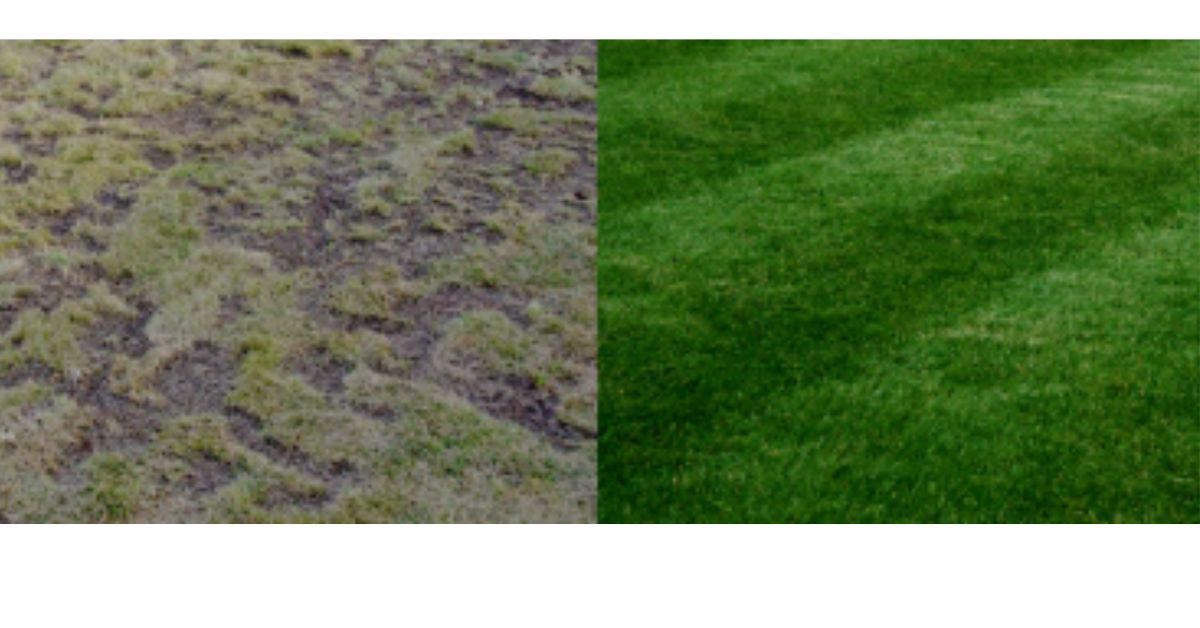
These conditions — especially when combined with compacted clay soils common in the KC area — leave lawns vulnerable to winter desiccation. A dehydrated lawn often emerges in March looking pale, patchy, or thin, even if it was healthy in fall.
How to Water Your Lawn Safely in Early December
Winter watering must be done differently than during the growing season. These steps ensure you support your lawn without causing ice-related damage.
1. Water Only When Temperatures Are Above Freezing
Choose days when the temperature is at least **40°F** during the watering period and stays above freezing for several hours afterward. This prevents water from freezing on the lawn’s surface and damaging the crown of the grass.
2. Water During Midday
Midday sunlight helps water soak into the soil before temperatures drop again in the evening.
3. Use a Light, Even Application
You’re not trying to saturate the lawn — just restore moisture to the top few inches of soil. A light 10–15 minute cycle is usually sufficient.
4. Check Sloped Areas and High Spots
These areas dry out faster than flat zones. Pay special attention to them, as they often require slightly more water than lower-lying sections.
5. Avoid Watering Before a Freeze
Wet soil that freezes rapidly can damage grass roots. Always check the forecast for overnight lows.
How to Decide If Your Lawn Needs December Watering
Here’s a simple evaluation framework based on what our team sees in the Kansas City Metro. These decision rules help you assess your lawn’s actual condition instead of guessing.
1. Check Soil Moisture With the Screwdriver Test
Push a screwdriver into the soil. If it penetrates easily 2–3 inches, the moisture level is acceptable. If it feels dry or resists penetration, the topsoil likely needs water.
2. Evaluate Sunny vs. Shaded Spots
South-facing areas dry out quickly and often need water earlier than shaded areas. Late fall/early winter sunlight in KC is intense enough to pull moisture from these zones.
3. Consider Recent Weather Patterns
- Dry, windy weeks = water sooner.
- Cloudy, damp periods = water less.
- Snow cover (not common in early December) = no watering.
4. Review Your Fall Lawn Care Routine
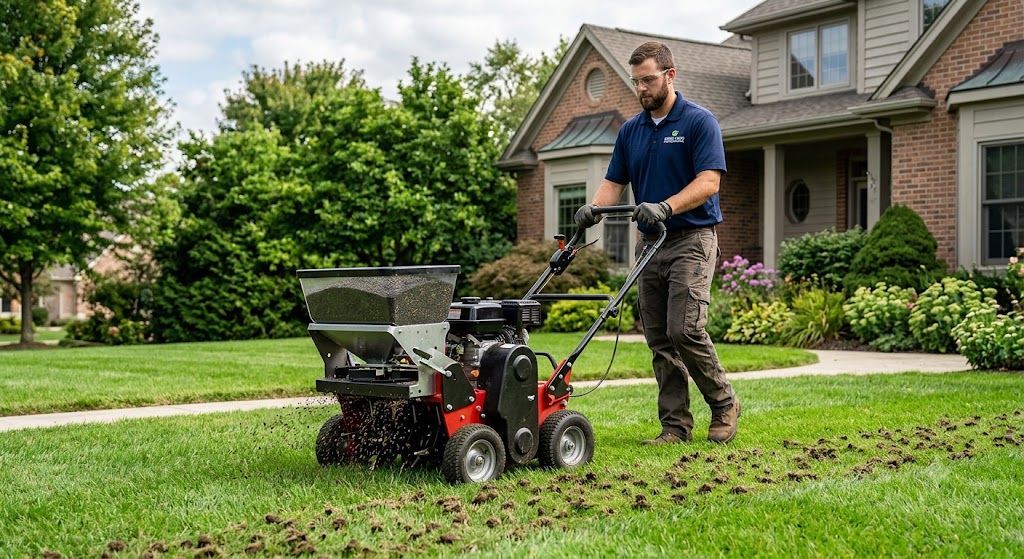
If your fall lawn preparation included aeration, fertilization, or overseeding, your soil may be better equipped to retain moisture. This ties into the long-term benefits of the 6-Step Lawn Care Program, which strengthens soil structure and improves water retention.
Related Insight: Fall Prep Impacts Your Winter Watering Needs
Understanding how fall work influences winter watering can be helpful. The existing LawnScape Specialists blog offers a detailed breakdown in the article how to prepare your lawn for fall in the Kansas City Metro, which explains how aeration and soil health decisions made earlier in the year change what your lawn needs right now.
Common Winter Watering Mistakes to Avoid
To protect your lawn this winter, avoid these frequently observed homeowner errors:
- Watering heavily — excess moisture can freeze and damage the crown.
- Watering too late in the day — increases freeze risk.
- Assuming dormant turf needs no care — roots are still active.
- Ignoring high-traffic areas — dry soil becomes brittle and compacts easily.
Winter watering is a protective measure, not a growth tool. Done correctly, it supports deeper resilience and a faster spring recovery.
When It’s Best to Call a Professional
Some lawns enter winter already stressed from compaction, shade patterns, drought, or poor soil structure. If you’re unsure what your lawn needs this month, our team can evaluate moisture levels, inspect vulnerable areas, and help build a plan grounded in local Kansas City conditions and long-term care practices.
Many homeowners pair winter evaluations with enrollment in our 6-Step Lawn Care Program to ensure their lawn gets consistent, season-appropriate care year-round.
Plan Ahead for a Strong Spring Lawn
If you’d like support preparing your lawn for the coldest months or want expert advice based on your soil type and property conditions, our team is ready to help.
Contact LawnScape Specialists to schedule a winter moisture assessment or build your spring lawn readiness plan now.