By Dave Hagedorn
•
December 29, 2025
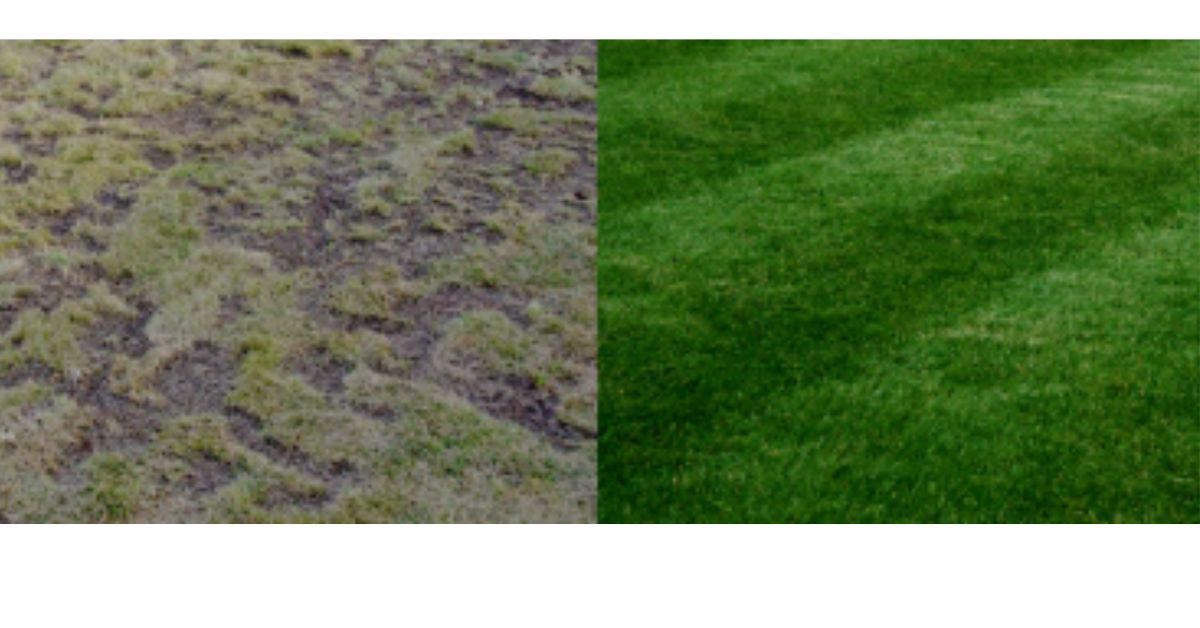
It’s December 18th, and with only days left until Christmas, lawns across the Kansas City Metro are facing one of the quietest but most damaging winter threats: lawn mold . While your grass may look safely dormant, December moisture levels, shaded areas, and debris accumulation create the perfect conditions for winter fungal activity — especially as temperatures hover between freezing and thawing. Across Parkville, Gladstone, Liberty, Platte Woods, and Weatherby Lake, we see the same pattern every year: homeowners finish their fall cleanup, the weather turns colder, and then hidden pockets of moisture begin to settle into the lawn. When this moisture gets trapped under leaves, pine needles, snow dustings, or even holiday décor, mold can develop quickly and won’t be noticeable until spring — when it appears as dead, matted, greyish patches. Today’s guide explains how winter lawn mold develops, how to identify the early warning signs during the week of December 18th, and what you can do now to protect your grass before winter fully sets in. Where useful, we’ll refer to LawnScape Specialists’ 6-Step Lawn Care Program , which strengthens soil and turf resilience year-round. Why Mold Risk Spikes in Mid-December December 18th is an important tipping point. By now, we’ve had several freezes–thaw cycles, holiday foot traffic, reduced sunlight, and a mix of dry days followed by moisture. These conditions create an environment where mold thrives under the surface. Here’s why mold risk increases right now: Shaded areas stay frozen longer , trapping moisture beneath the surface. Wet leaves or pine needles insulate the lawn, reducing airflow. Holiday decorations compress grass and restrict drying. Shorter daylight hours slow evaporation of morning frost. Kansas City’s clay soil retains moisture longer after thawing. Once mold begins forming in winter, it typically sits unnoticed until spring — when homeowners find large circular dead patches that require repair. But with the right prevention steps this week, you can minimize the risk dramatically. How to Identify Early Signs of Winter Lawn Mold Even though mold often develops beneath surface debris, early clues are visible if you know what to look for. 1. Matted, “Spongy” Patches If any section of your lawn looks pressed down, wet, or sponge-like, it may be developing mold beneath the surface layer. 2. Pale or Greyish Tint on Dormant Grass Dormant grass should look golden-brown. Grey, dull, or ashy tones can indicate fungal activity. 3. Areas That Never Fully Thaw North-facing zones, shaded corners, or areas near fences often hold frost all day — a classic mold hotspot. 4. Leaf Buildup or Moisture Traps Areas under inflatables, lights, or snowed-over decorations tend to develop mold faster than open lawn space. Mid-December Mold Prevention: What to Do Right Now Below are the steps our team recommends taking during the week of December 18th to protect your lawn from mold heading into the deep freeze. 1. Clear All Moisture-Trapping Debris Lift holiday decorations, check around light stakes, and remove any wet leaves or pine needles. Mold forms fastest under compacted debris. 2. Gently Loosen Any Matted Grass Use a light touch — just enough to let air flow through the crown. Avoid aggressive raking, which can damage dormant grass. 3. Improve Airflow in Shaded Areas Trim back any low-hanging branches or remove objects blocking airflow in shaded sections. Even a small improvement in airflow reduces mold risk. 4. Avoid All Foot Traffic on Frozen Grass Footsteps on frost-damaged turf weaken the crown and increase vulnerability to mold spread. 5. Water Sparingly and Only When Conditions Permit If your soil is extremely dry and temperatures stay above freezing, light watering can stabilize the turf. But avoid watering before a predicted freeze. 6. Move Heavy Holiday Decorations Every Few Days This prevents weight-related compaction and stops moisture from settling beneath large ornaments or inflatables. How to Decide if Your Lawn Is High-Risk for Mold This decision framework helps Kansas City homeowners determine whether mold prevention should be a top priority this week. 1. Do you have heavy shade in winter? If parts of your lawn remain frozen until afternoon, mold risk is high. 2. Do you have dense leaf or needle drop? Homes with oak, maple, or evergreen trees see more mold formation. 3. Do you have clay soil? Kansas City's clay-rich soil retains moisture, increasing mold susceptibility. 4. Was fall cleanup late or incomplete? Mold often forms where leaf mats were not fully cleared. 5. Have you seen pale patches already? Early discoloration often signals developing mold beneath the surface. Related Seasonal Insight For additional context on how fall preparation influences winter fungal resistance, see LawnScape Specialists’ blog: how to prepare your lawn for fall in the Kansas City Metro . When to Call a Professional If you’re seeing early signs of mold — or if past winters have left your lawn patchy or thin — a professional evaluation can prevent those issues from returning. Our team assesses drainage, shade patterns, moisture levels, and soil structure to build a prevention plan that fits your property. Many homeowners use this week to begin planning for next year’s 6-Step Lawn Care Program, ensuring their lawn has stronger year-round protection against mold, drought, and freeze–thaw stress. Keep Your Lawn Healthy Through the Rest of Winter With Christmas approaching and temperatures fluctuating, now is the perfect moment to take a few simple steps that protect your lawn from mold growth. Catching problems early prevents long-term damage and helps your yard bounce back stronger in spring. Contact LawnScape Specialists to schedule a winter mold assessment or plan your lawn care strategy for the new year.