Homeowner vs. Lawnscape: The ROI Story of the 6-Step Program Success in Kansas City

Lawnscape Specialists’ signature 6-Step Lawn Care Program—from fertilization to weed control—is known for transforming lawns across North Kansas City. But have you ever wondered how these services translate into real value? This post dives into actual homeowner outcomes, comparing DIY vs. professional care and providing compelling reasons why the 6-Step Program remains the top local choice.

Why the 6-Step Matters in Kansas City


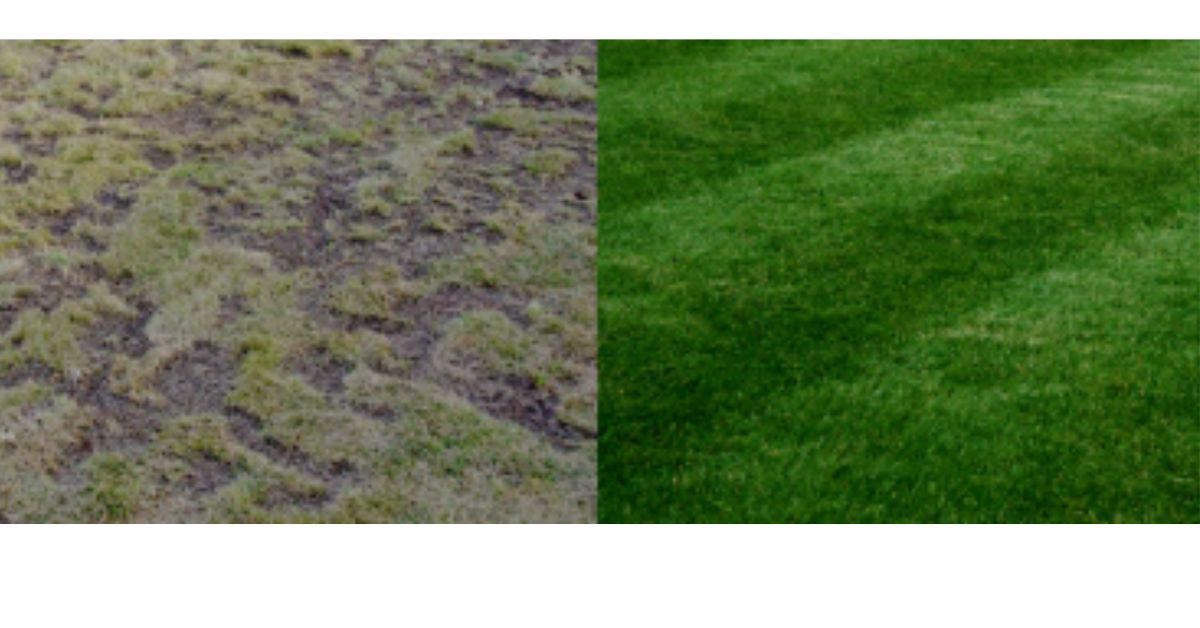
Our Kansas City summers mean blazing heat, dry spells, and stubborn weeds. Home lawns can quickly turn brown under those stresses, while professionally-managed lawns stay green, thick, and healthy.

DIY vs. Pros: A Value Comparison


Here’s a clear side-by-side:

  • DIY: One-time fertilizer = $40; mystery mix, questionable timing, risk of over- or under-treatment.
  • Lawnscape 6-Step: ~$50/month including tailored fertilization, crabgrass control, weed treatment, grub control, late summer feed, and winterizer—plus repeatable results.


Real Results = Real ROI


Customers have shared these improvements:

  • Thicker turf that handles KC's heat
  • Better curb appeal, speeding up sales in case of listing
  • Reduced long-term costs—patches or emergency fixes become rare


Beyond Aesthetics: Value You Can’t See

  • Fewer equipment, labor, or water costs in the long run
  • Less risk of pests or disease damaging your property
  • More leisure time enjoying your yard instead of maintaining it

How to Start Your Lawn ROI Journey

  • Request a free assessment online
  • Track cost vs. results quarterly
  • Share your savings stories to inspire others


By Champagne Reid May 19, 2026
Mosquitoes and fleas peak in Kansas City summers. Learn why early professional treatment works better, what health risks are involved, and how to protect your yard all season.
Lawn Pest Maintenance Kansas City MO pest control healthy green lawn Lawnscape Specialists
May 12, 2026
Get expert Lawn Pest Maintenance Kansas City MO. From grubs to seasonal care, Lawnscape Specialists keeps your lawn healthy. Call now!
Professional Lawn Fertilization Parkville MO healthy green lawn service Lawnscape Specialists
May 12, 2026
Get expert Professional Lawn Fertilization Parkville MO. Lawnscape Specialists offers custom plans & Lawn Pest Maintenance Kansas City MO. Call today!
A worker preparing for Core aeration lawn service in Gladstone, MO by Lawnscape Specialists
May 12, 2026
Boost lawn health with Core Aeration Services, Gladstone, MO, by Lawnscape Specialists. Improve soil, roots, and growth. Schedule your service today!
Technician applying lawn fertilization treatment in Parkville MO yard – Lawnscape Specialist
May 12, 2026
Is your lawn struggling? Discover warning signs you need lawn fertilization in Parkville, MO. Trust Lawnescape Specialists for professional results—call now!
By Champagne Reid April 27, 2026
Struggling with Northland clay? Learn how to fix your lawn with our expert guide to soil, grass types, and seasonal care from Platte City to Olathe.
By Champagne Reid March 23, 2026
Pest problems often grow fast when preventive treatments are skipped. Many insects reproduce quickly and spread through lawns, soil, and nearby landscaping before visible damage appears. In the Kansas City metro area, seasonal weather patterns create ideal conditions for pests to multiply, which means early prevention plays a major role in protecting healthy lawns. Preventive pest care helps stop infestations before they grow into larger problems that require extensive treatment. Homeowners who delay these services often notice sudden lawn damage, increased insect activity, and higher repair costs later in the season. Understanding why pest problems escalate so quickly can help property owners protect their landscapes more effectively. Why Do Pest Problems Grow So Quickly Without Preventive Treatments? Pest populations increase quickly because most insects reproduce at high rates and remain hidden during early stages of growth. Preventive treatments interrupt their life cycles before they multiply and spread across lawns and garden beds. When these treatments are skipped, pests continue reproducing without interruption. Insects such as grubs, chinch bugs, and armyworms can develop in soil long before visible lawn damage appears. By the time brown patches or thinning turf become noticeable, the population may already be large enough to require more aggressive solutions. In areas like Kansas City, where warm temperatures support rapid insect development, early treatment helps control populations before they reach damaging levels. What Happens Beneath the Lawn When Pests Go Untreated? Many destructive lawn pests spend a large portion of their life cycle underground. Preventive treatments target these insects during vulnerable stages, often before they surface or begin feeding heavily on grass roots. Grubs are a clear example. These larvae feed on turf roots beneath the soil surface, weakening grass plants and causing large sections of turf to lift easily from the ground. Without preventive applications, these pests remain undetected until significant damage occurs. Soil-dwelling insects also attract secondary problems. Birds, raccoons, and skunks may dig through lawns searching for grubs and larvae, creating additional damage beyond what the pests cause themselves. Early pest control helps prevent this chain reaction. Why Seasonal Timing Matters for Lawn Pest Prevention Preventive pest treatments are most effective when applied at the correct time in the insect life cycle. Many lawn pests follow predictable seasonal patterns based on temperature and soil conditions. Missing these windows allows pest populations to establish themselves before treatments begin. For example, grub prevention typically works best when applied before eggs hatch and larvae begin feeding on turf roots. Once grubs mature, treatments become less effective, and lawns may already show damage. Kansas City homeowners benefit from pest programs that follow local seasonal patterns. Professionals monitor weather conditions and pest activity to determine when treatments should be applied for the best results. Early Pest Activity Often Goes Unnoticed by Homeowners Most pest problems start quietly. Early signs are subtle and easy to overlook without routine monitoring or professional inspection. Preventive services help identify early activity before it spreads. Some early indicators include slight discoloration in grass blades, uneven turf growth, or increased insect presence near soil surfaces. These warning signs often appear weeks before visible lawn damage develops. Regular preventive care allows lawn care professionals to detect these early signals and apply targeted treatments before infestations expand. This proactive approach protects lawns while reducing the need for heavier pesticide use later. Why Small Pest Populations Become Major Infestations A small pest population can expand rapidly when conditions support reproduction. Many lawn insects lay dozens or even hundreds of eggs at once. Within a short period, a manageable issue can turn into widespread turf damage. When preventive treatments are skipped, several insect generations may develop during a single growing season. Each new generation increases the population and the amount of plant material being consumed. When preventive treatments are skipped, several insect generations may develop during a single growing season. Each new generation increases the population and the amount of plant material being consumed. The Hidden Costs of Delaying Pest Control Skipping preventive treatments may appear to save money in the short term, yet it often leads to larger expenses later. Once pests damage root systems, lawns may require reseeding, sod replacement, or soil repair. Severely damaged turf struggles to recover even after pests are eliminated. Grass that loses a large portion of its root system may fail to regrow, leaving bare soil that encourages weed growth. Property owners may also face increased irrigation needs, soil amendments, and multiple corrective treatments to restore lawn health. Preventive programs usually cost far less than repairing widespread turf damage.
thicker grass
By Champagne Reid March 13, 2026
Learn how consistent lawn care programs strengthen turf, improve soil health, and create thicker grass that stays resilient and attractive through every season.
By Dave Hagedorn February 16, 2026
If you're a Kansas City homeowner with a thin, patchy lawn, overseeding is one of the most effective ways to transform your turf into a thick, lush carpet of grass. But timing is everything when it comes to overseeding. Plant your seed at the wrong time of year, and you'll waste money and effort with poor germination rates. By the end of this post, you will know exactly when to overseed your lawn in Kansas City, why timing matters, and how to prepare your lawn for the best possible results. The Best Time to Overseed in Kansas City: Quick Answer Optimal Window: Late August through mid-October (fall overseeding) Why Fall: Warm soil, cool air, and adequate moisture create ideal conditions for seed germination and establishment Secondary Window: Early spring (March-April) is a secondary option, but fall is superior Soil Temperature: Soil should be between 60-70°F for optimal germination Avoid Summer: Never overseed in summer when heat and drought stress the new seedlings Avoid Winter: Winter overseeding will fail because the seed won't germinate in cold soil Why Fall Is the Best Time to Overseed in Kansas City The fall season in Kansas City provides the perfect combination of environmental factors for successful overseeding. According to the University of Missouri Extension, "fall is the best time to seed new lawns or overseed existing lawns in Missouri because soil temperatures are warm enough for seed germination, but air temperatures are cool enough to reduce stress on seedlings." [1] During late August through October, the soil temperature in Kansas City remains warm enough for grass seed to germinate quickly, typically between 60-70°F. At the same time, the cooler air temperatures (typically in the 60s-70s°F) reduce the stress on young seedlings. This combination is crucial because new grass seedlings are vulnerable to heat stress, and the cooler fall temperatures allow them to establish a strong root system before winter arrives. Additionally, fall typically brings more consistent moisture through rainfall, which is essential for seed germination and establishment. This natural moisture reduces your watering requirements and increases the likelihood of successful germination. By spring, your new grass will have had months to develop a deep, healthy root system, making it much more drought-tolerant and disease-resistant than spring-seeded grass. Signs Your Lawn Needs Overseeding Before you schedule your overseeding service, it's helpful to understand the signs that your lawn could benefit from this treatment. If you notice any of the following, overseeding should be on your to-do list: Thin or Patchy Grass: If you can see bare soil through your lawn, overseeding can help fill in those thin spots and create a denser turf. Weed Infestations: A thick, healthy lawn is the best defense against weeds. If your lawn is thin, weeds will quickly take over. Overseeding helps create a dense turf that naturally crowds out weeds. High Traffic Areas: Areas of your lawn that receive heavy foot traffic often become thin and worn. Overseeding these areas can help restore the turf. Disease or Insect Damage: If your lawn has suffered from disease or insect damage, overseeding can help repair the damage and restore the lawn's health. Age: If your lawn is more than 5-10 years old, it may benefit from overseeding to introduce new, improved grass varieties. The Step-by-Step Process for Overseeding in Kansas City Understanding the overseeding process will help you prepare your lawn and know what to expect. Here's how a professional overseeding service typically works: Step 1: Lawn Assessment and Preparation The first step is to assess the condition of your lawn. A lawn care professional will evaluate the soil, identify any problem areas, and determine the best approach. If your lawn has significant thatch buildup or soil compaction, aeration may be recommended before overseeding. Many homeowners choose to aerate and overseed together for maximum results. Step 2: Mowing and Cleanup Before overseeding, your lawn should be mowed short (about 2 inches) and all debris should be removed. This allows the seed to make good contact with the soil, which is essential for germination. Step 3: Seed Selection The type of seed you choose is critical for success. For Kansas City, tall fescue is the recommended grass type. According to K-State Research and Extension, "tall fescue is the most widely used cool-season grass in Kansas and is well-adapted to the state's climate." [2] A quality seed blend will include multiple varieties of tall fescue to provide genetic diversity and improved disease resistance. Step 4: Overseeding Application The seed is spread evenly over the lawn using a broadcast spreader or similar equipment. The goal is to achieve good seed-to-soil contact, which is why aeration before overseeding is so beneficial. The small holes created by aeration provide perfect pockets for the seed to nestle into. Step 5: Starter Fertilizer Application Immediately after overseeding, a starter fertilizer is applied. This fertilizer is high in phosphorus, which promotes root development in young seedlings. The starter fertilizer provides the new seed with the nutrients it needs to germinate and establish quickly. Common Mistakes to Avoid When Overseeding Overseeding at the Wrong Time: As we've discussed, timing is critical. Overseeding in summer or winter will result in poor germination and wasted money. Using Low-Quality Seed: Cheap seed often contains a high percentage of weed seeds and low germination rates. Invest in quality seed from a reputable source. Skipping Aeration: While overseeding alone can be beneficial, combining it with aeration significantly improves results by ensuring better seed-to-soil contact. Improper Watering: New seed requires consistent moisture. Many homeowners either underwater or overwater, both of which can result in poor germination. Mowing Too Soon: Mowing the new grass before it's established can damage the seedlings. Wait until the new grass is at least 3-4 inches tall before mowing. Applying Weed Control Too Early: Weed control products can prevent seed germination. Wait at least 4-6 weeks after overseeding before applying any weed control. DIY vs. Professional Overseeding: What You Need to Know While it is possible to overseed your lawn yourself, there are significant advantages to hiring a professional. Professional lawn care companies have access to commercial-grade equipment that provides more uniform seed distribution than consumer equipment. They also have access to premium seed blends that are specifically formulated for the Kansas City climate. Perhaps most importantly, professionals have the expertise to ensure the job is done correctly, which can save you from costly mistakes. If you do choose to DIY, you'll need to rent equipment, purchase seed and fertilizer, and invest significant time and effort. When you factor in the cost of rental equipment and premium seed, professional overseeding often costs less than you might expect, and the results are typically superior. Your Partner in Lawn Care At Lawnscape Specialists, we specialize in overseeding services designed to transform thin, patchy lawns into thick, healthy turf. We use premium seed blends specifically selected for the Kansas City climate, and we apply our services at the optimal time of year for maximum success. Contact us today for a free estimate and let us help you achieve the lawn of your dreams. Ready to transform your lawn with professional overseeding? Get Your Free Estimate Today Frequently Asked Questions What is the best time to overseed in Kansas City? The best time to overseed in Kansas City is from late August through mid-October. This timing provides warm soil for germination, cool air to reduce seedling stress, and typically adequate moisture from fall rains. Can I overseed my lawn in spring? While spring overseeding is possible, it is less ideal than fall overseeding. Spring-seeded grass is more susceptible to heat stress in summer and may not establish as well as fall-seeded grass. How long does it take for overseeded grass to grow? New grass seed typically germinates within 2-3 weeks, but it can take several months for the new grass to fully mature and blend in with your existing lawn. Do I need to aerate before overseeding? While aeration is not absolutely necessary, it significantly improves overseeding results by ensuring better seed-to-soil contact. Many homeowners choose to aerate and overseed together. How much does overseeding cost in Kansas City? The cost of overseeding varies depending on the size of your lawn, but you can typically expect to pay between $250 and $500 for professional overseeding services. What type of grass seed should I use in Kansas City? Tall fescue is the recommended grass type for Kansas City. Look for a quality seed blend that includes multiple varieties of tall fescue for genetic diversity and improved disease resistance. References University of Missouri Extension - Lawn Establishment and Renovation K-State Research and Extension - Turfgrass Species for Kansas
By Dave Hagedorn February 13, 2026
Lawn Care ROI: Kansas City Homeowner’s Guide to Cost-Effective Yard Care