Debunking Common Fall Lawn Care Misconceptions: What You Need to Know After the Season Ends
The fall season has come and gone, and as we settle into the quieter days after the holidays, it’s easy to wonder: Did I care for my lawn the right way this fall? Did I miss something important?
At LawnScape Specialists, we often hear misconceptions about fall lawn care that can lead to missed opportunities for a healthier, greener yard come spring. Now that the new year has rolled around, let’s debunk some of the most common fall lawn care myths and set the record straight.
Myth #1: “Once Fall Arrives, Lawn Care Is Over”
Reality: Fall is one of the most important seasons for lawn care.
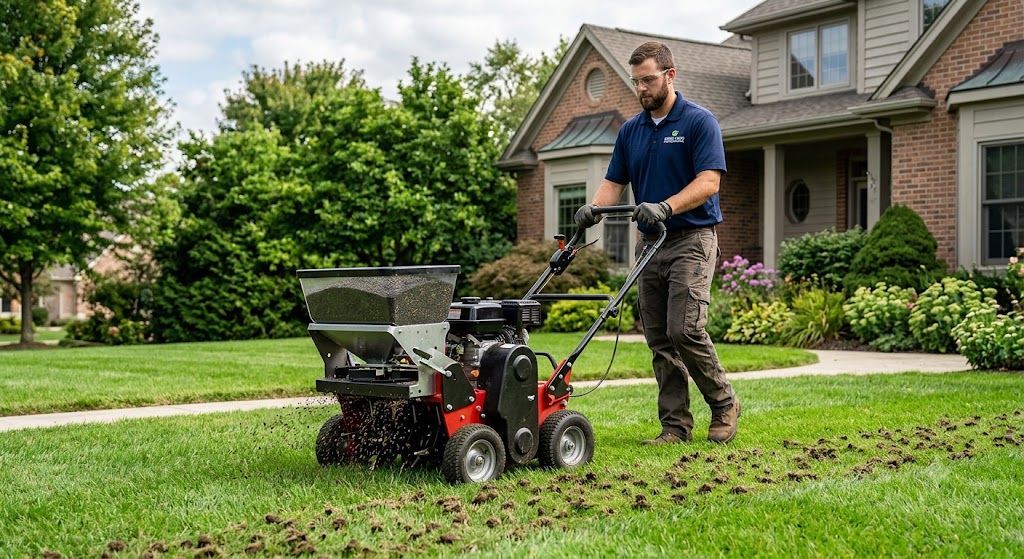
While growth slows down in cooler temperatures, your lawn is still very much alive and active beneath the surface. Fall is the ideal time for aeration, overseeding, and fertilizing, as your grass focuses on root growth to prepare for winter and thrive in spring.
Tip: If you skipped these steps this fall, it’s not too late to make a plan for early spring care.
Myth #2: “Leaving Leaves on the Lawn Is Good for It”
Reality: While leaves can act as a natural mulch when finely shredded, a thick layer of unshredded leaves can smother your grass and create a breeding ground for mold, pests, and disease.
Tip: If leaves are still piled up on your lawn, rake them or run them over with a mower to break them down into smaller pieces.
Myth #3: “Pests and Weeds Aren’t a Problem in Fall”
Reality: Many pests and weeds remain active in the fall, and some, like grubs, can cause significant damage during this time. Weeds like dandelions and crabgrass may also lay dormant, waiting to reemerge stronger in spring.
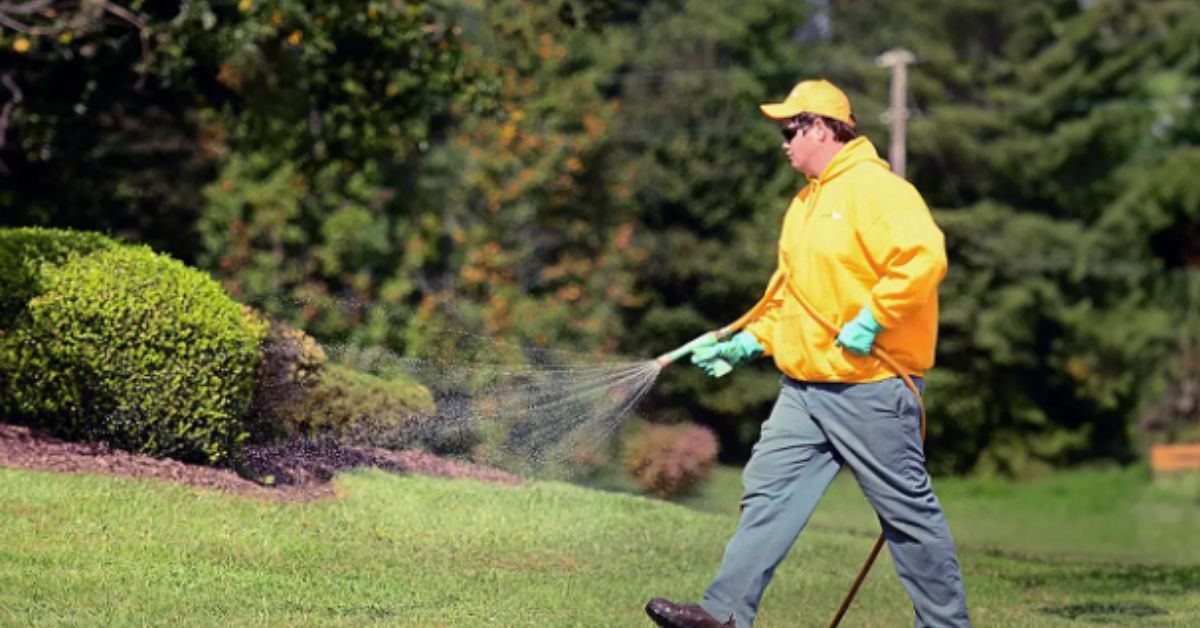
Tip: Fall is the best time to apply pre-emergent herbicides and address pest infestations before winter sets in.
Myth #4: “You Don’t Need to Water Your Lawn in Fall”
Reality: While cooler temperatures and increased rainfall might reduce your lawn’s water needs, it’s still important to ensure your grass is adequately hydrated before the ground freezes.
Tip: Water deeply but less frequently, and aim to give your lawn around 1 inch of water per week, including rainfall.
Myth #5: “Fertilizing in Fall Isn’t Necessary”
Reality: Fall fertilization is one of the most critical steps for long-term lawn health. A winter-specific fertilizer strengthens your lawn’s root system, allowing it to store nutrients for the dormant months ahead.
Tip: If you missed applying a fall fertilizer, plan to start early in the spring to give your lawn the boost it missed.
Myth #6: “Fall Lawn Care Doesn’t Affect Spring Growth”
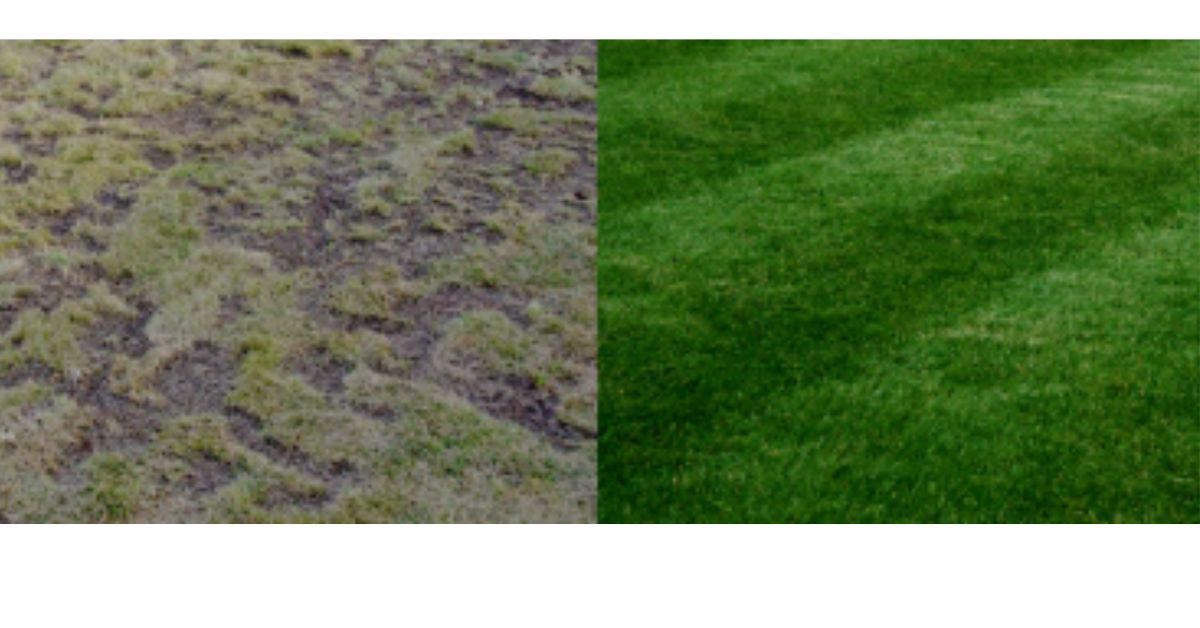
Reality: Your lawn’s spring appearance is directly tied to how well you cared for it in the fall. Neglecting fall lawn care can result in bare patches, weak roots, and poor color in the spring.
Tip: If you feel like you missed key fall care tasks, schedule a spring lawn assessment with LawnScape Specialists to identify areas that need extra attention.
How to Move Forward if You Missed Key Fall Lawn Care Tasks
If the hustle and bustle of the season caused you to miss a few fall lawn care steps, don’t worry—it’s not too late to make a plan:
- Evaluate your lawn’s current condition – Look for compacted soil, bare patches, or lingering debris.
- Set goals for early spring care – Aeration, overseeding, and fertilization should top your list.
- Consult a professional lawn care team – Experts can help create a customized plan to restore your lawn’s health.
At LawnScape Specialists, we’re here to ensure your lawn gets back on track, no matter the season.
Plan Ahead for a Healthier Lawn Next Year
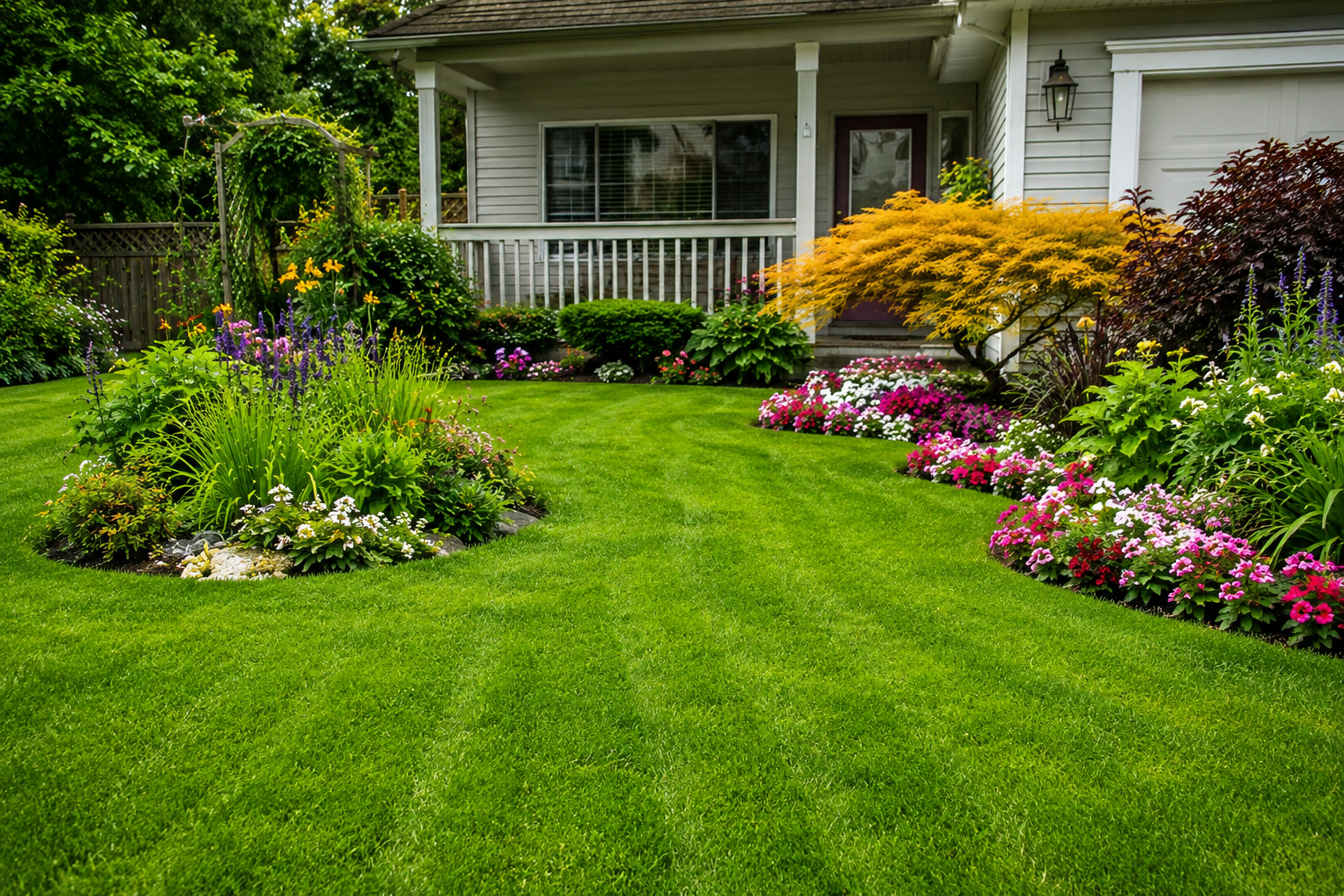
Lawn care is a year-round commitment, and every season plays a role in your yard’s overall health. By understanding these common fall lawn care misconceptions, you’re better prepared to give your grass the care it deserves.
Ready to take the guesswork out of lawn care?
Contact LawnScape Specialists today and let our team create a tailored plan to keep your lawn thriving all year long! Your lawn deserves the best, and we’re here to deliver -- season after season.The fall season has come and gone, and as we settle into the quieter days after the holidays, it’s easy to wonder: Did I care for my lawn the right way this fall? Did I miss something important?
At LawnScape Specialists, we often hear misconceptions about fall lawn care that can lead to missed opportunities for a healthier, greener yard come spring. Now that the new year has rolled around, let’s debunk some of the most common fall lawn care myths and set the record straight.
Myth #1: “Once Fall Arrives, Lawn Care Is Over”
Reality: Fall is one of the most important seasons for lawn care.
While growth slows down in cooler temperatures, your lawn is still very much alive and active beneath the surface. Fall is the ideal time for aeration, overseeding, and fertilizing, as your grass focuses on root growth to prepare for winter and thrive in spring.
Tip: If you skipped these steps this fall, it’s not too late to make a plan for early spring care.
Myth #2: “Leaving Leaves on the Lawn Is Good for It”
Reality: While leaves can act as a natural mulch when finely shredded, a thick layer of unshredded leaves can smother your grass and create a breeding ground for mold, pests, and disease.
Tip: If leaves are still piled up on your lawn, rake them or run them over with a mower to break them down into smaller pieces.
Myth #3: “Pests and Weeds Aren’t a Problem in Fall”
Reality: Many pests and weeds remain active in the fall, and some, like grubs, can cause significant damage during this time. Weeds like dandelions and crabgrass may also lay dormant, waiting to reemerge stronger in spring.
Tip: Fall is the best time to apply pre-emergent herbicides and address pest infestations before winter sets in.
Myth #4: “You Don’t Need to Water Your Lawn in Fall”
Reality: While cooler temperatures and increased rainfall might reduce your lawn’s water needs, it’s still important to ensure your grass is adequately hydrated before the ground freezes.
Tip: Water deeply but less frequently, and aim to give your lawn around 1 inch of water per week, including rainfall.
Myth #5: “Fertilizing in Fall Isn’t Necessary”
Reality: Fall fertilization is one of the most critical steps for long-term lawn health. A winter-specific fertilizer strengthens your lawn’s root system, allowing it to store nutrients for the dormant months ahead.
Tip: If you missed applying a fall fertilizer, plan to start early in the spring to give your lawn the boost it missed.
Myth #6: “Fall Lawn Care Doesn’t Affect Spring Growth”
Reality: Your lawn’s spring appearance is directly tied to how well you cared for it in the fall. Neglecting fall lawn care can result in bare patches, weak roots, and poor color in the spring.
Tip: If you feel like you missed key fall care tasks, schedule a spring lawn assessment with LawnScape Specialists to identify areas that need extra attention.
How to Move Forward if You Missed Key Fall Lawn Care Tasks
If the hustle and bustle of the season caused you to miss a few fall lawn care steps, don’t worry—it’s not too late to make a plan:
- Evaluate your lawn’s current condition – Look for compacted soil, bare patches, or lingering debris.
- Set goals for early spring care – Aeration, overseeding, and fertilization should top your list.
- Consult a professional lawn care team – Experts can help create a customized plan to restore your lawn’s health.
At LawnScape Specialists, we’re here to ensure your lawn gets back on track, no matter the season.
Plan Ahead for a Healthier Lawn Next Year
Lawn care is a year-round commitment, and every season plays a role in your yard’s overall health. By understanding these common fall lawn care misconceptions, you’re better prepared to give your grass the care it deserves.
Ready to take the guesswork out of lawn care?
Contact LawnScape Specialists today and let our team create a tailored plan to keep your lawn thriving all year long! Your lawn deserves the best, and we’re here to deliver -- season after season.